Trump Administration Seeks USPS Control Over Mail-in Voting Amid 23-State Legal Challenge
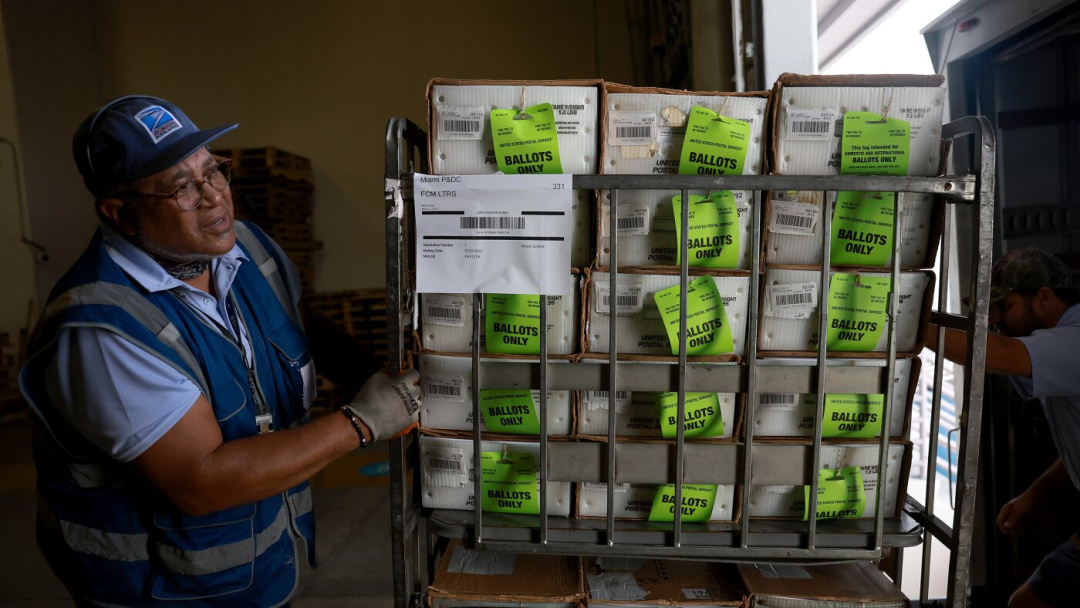
The Trump administration has boldly announced its latest initiative to empower the U.S. Postal Service (USPS) with unprecedented authority over mail-in voting, a move that has drawn the ire of Democratic attorneys general from 23 states. In a stunning display of bureaucratic confidence, officials are asserting that with great power comes great responsibility—specifically, the responsibility to ensure that ballots take the scenic route through the postal system.
In response to this audacious plan, the coalition of states is seeking an emergency order to block the initiative, which they describe as an 'unacceptable risk' to the integrity of the electoral process. Administration insiders, however, are doubling down, insisting that giving USPS the reins over mail-in ballots is the perfect strategy for improving voter participation. After all, who wouldn’t want their vote to be handled by the same organization that struggles to deliver packages on time?
Still Beats Watergate:
Sponsor success. Continue reading:
The absurdity of this situation escalates as officials outline their new plan to create a "Ballot Delivery Optimization Committee" tasked with ensuring timely ballot delivery. This committee will be required to meet weekly and provide monthly reports on their progress towards achieving the impossible task of guaranteeing every ballot arrives on time, all while navigating a labyrinthine process of USPS regulations. In an inspired twist, they have also introduced a performance metric: the "Ballot Arrival Satisfaction Index," which will measure how satisfied voters are with the postal service's performance—never mind the fact that many may be too busy trying to figure out how to vote in the first place.
Meanwhile, the administration has decided that public outreach is key to this initiative's success. A series of social media campaigns will be launched to explain how voters can track their ballots using an app that is still under development, with a projected launch date of 'sometime before the next election cycle.' This endeavor will surely make the process smoother, assuming voters can decipher the various layers of postal bureaucracy involved.
As if that weren’t enough, the administration has boldly declared that any state that does not comply with the new USPS directive will face penalties that are still being determined. However, they have assured us that these penalties will be "fair and equitable," a phrase that has historically meant next to nothing in bureaucratic speak. Thus, the stage is set for a legal showdown that could redefine the very essence of mail-in voting in America, all while the Trump administration confidently wades deeper into this postal quagmire, certain that chaos is merely a stepping stone to effective governance.