Supreme Court Establishes In-House Security Force Amid Political Turmoil
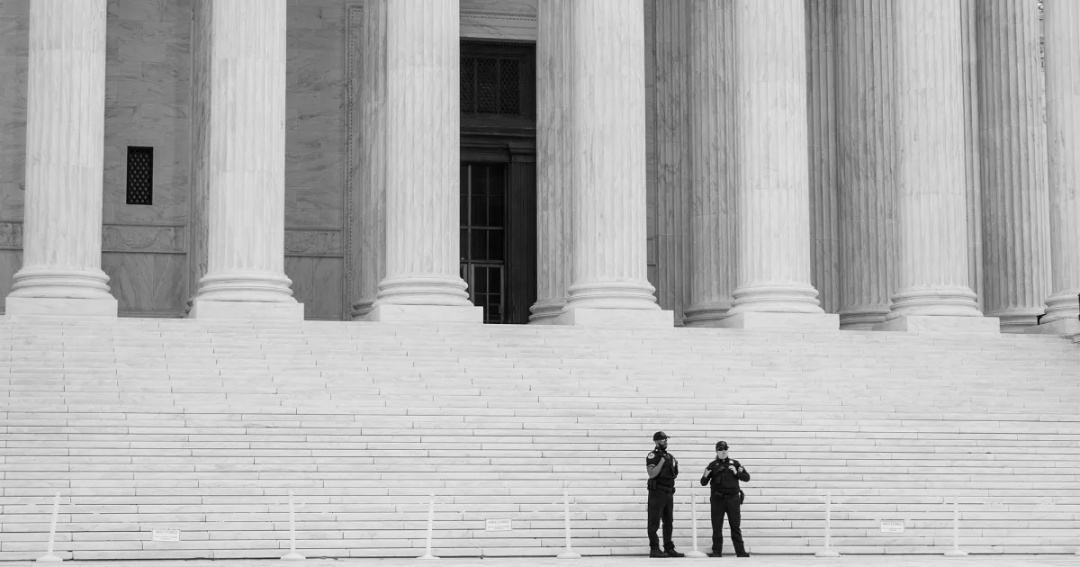
The Supreme Court has decided that the best way to protect itself from potential threats is to ditch its long-standing security arrangement with the US Marshals and form its own in-house police force. This unprecedented move is seen as a necessary step for justices who have grown increasingly wary of entrusting their safety to an administration they themselves have helped empower.
In a striking show of bureaucratic confidence, the court is set to expand its police department from a modest 200 officers to a robust force that can rival other federal agencies. The Supreme Court’s 2027 budget proposal includes funds for a new command center, ongoing threat assessments, and around-the-clock security for the justices themselves, all while offering eye-popping salaries that could make the job more appealing than that of a Capitol Police officer. With recruitment slogans like "The highest court. A higher calling," it appears they are aiming to instill a sense of duty not just among their officers, but perhaps even a hint of fear among those who might consider making threats.
Still Beats Watergate:
Sponsor success. Continue reading:
The justices, having watched the political landscape change dramatically, are not merely reacting to safety concerns; they are also responding to a culture where the executive branch has been increasingly viewed as unreliable. Chief Justice John Roberts and his colleagues have decided that their security should not be left in the hands of those who might wield it as a political tool. With the US Marshals under the purview of the Department of Justice, and Attorney General Todd Blanche's clear alignment with the president's whims, the justices have opted for a more self-sufficient approach.
This transition comes at a time when threats against judges have surged, bolstered by incendiary rhetoric from the very administration they once supported. Justices have expressed concern over the adequacy of training for marshals assigned to protect them, leading to a growing sense of unease. The Supreme Court police will now take on residential security duties, a task that was previously handled by the marshals until they abruptly withdrew their services, leaving justices scrambling for protection at home.
As the court raises its security profile, it ironically finds itself in a position that exacerbates the very issues it faces. The justices have played a significant role in facilitating the political chaos that has led to increased threats against them. Their own decisions, which have loosened gun regulations and empowered a more volatile political climate, have ironically necessitated their own beefed-up security measures, creating a vicious cycle of fear and insecurity.
With justices now arriving in armored SUVs and utilizing bulletproof vests, the once-stalwart guardians of the law are transforming into a highly fortified entity. The justices are now separated not just by the walls of their courtroom but by layers of security that reflect a profound disconnect from the public they serve. The Supreme Court's transition to an independent security force may be seen as an essential measure, yet it also underscores the stark reality that the very institution meant to uphold the law now finds itself increasingly isolated from the society it influences.