FBI Launches Inquiry into Water Sector Data Breach as Cybersecurity Becomes a Water Cooler Topic
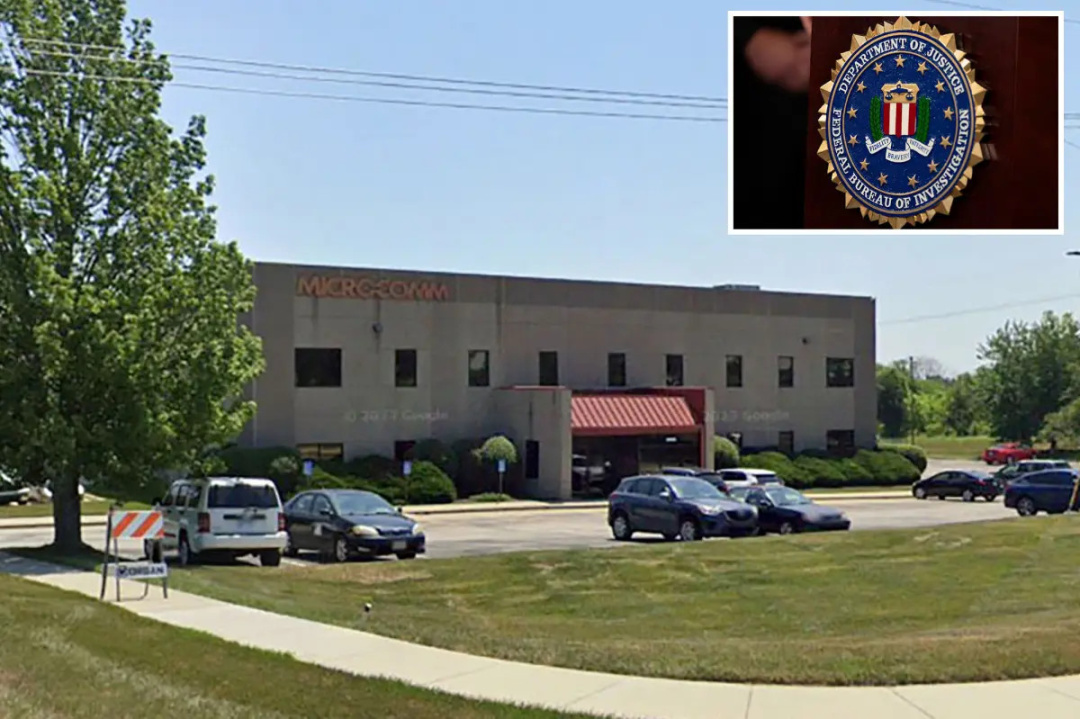
The FBI has officially announced a comprehensive investigation into the recent data breach at Micro-Comm, a quaint little water utility technology supplier located in Olathe, Kansas. This incident has quickly escalated from a minor inconvenience to a full-blown national security concern, primarily due to its tenuous links to Iran. Following the break-in, officials have launched a new initiative dubbed "Operation H2-Oh No!" to ensure that the nation’s water supply remains as secure as a vault full of gold bricks, or at least as secure as a public restroom.
Micro-Comm’s CEO, a former accountant turned tech guru, expressed confidence that the breach was merely a misunderstanding, akin to accidentally giving your Wi-Fi password to a neighbor you thought was just borrowing sugar. In the spirit of transparency, the company has promised to release a detailed report on the breach, which they assure will be ready by the next ice age, or whenever they can find the right IT consultant. Meanwhile, the FBI has set up a special task force to monitor this situation, consisting of agents who have been trained rigorously in both tech jargon and how to look busy while doing absolutely nothing.
Still Beats Watergate:
Sponsor success. Continue reading:
In a shocking twist, the FBI has also stated that they might not even need to investigate further if the hackers turn out to be just enthusiastic pranksters. Officials are now brainstorming ways to enhance the national water supply’s cybersecurity, including the installation of advanced holographic water meters that will project a stern warning of “Do Not Hack” to any would-be intruders.
Moreover, in a bid to reassure the public, local authorities have decided to conduct a series of town hall meetings, where citizens will be encouraged to voice their concerns while sipping from the ever-reliable municipal water supply. "We want everyone to know that even if our data is compromised, our water is still safe—unless you count the occasional frog or two," remarked the mayor, who insisted that no one should panic unless the frogs start sending emails.
As the investigation continues, the government is drafting new cybersecurity measures that may include mandatory training sessions for all water utility employees, focusing on how to spot phishing attempts, avoid clicking on suspicious links, and, most importantly, how to distinguish between a legitimate water-related crisis and a false alarm.
In conclusion, while the nation's water supply remains under vigilant watch, the real winners may just be the cybersecurity consultants cashing in on the panic. As one expert noted, "There’s nothing like a good cyber scare to boost business—especially when it involves something as essential as water. Just ask the bottled water companies!"