CIA Director John Ratcliffe Announces New Policy: Diplomatic Surprise Visits to Moscow Now Mandatory
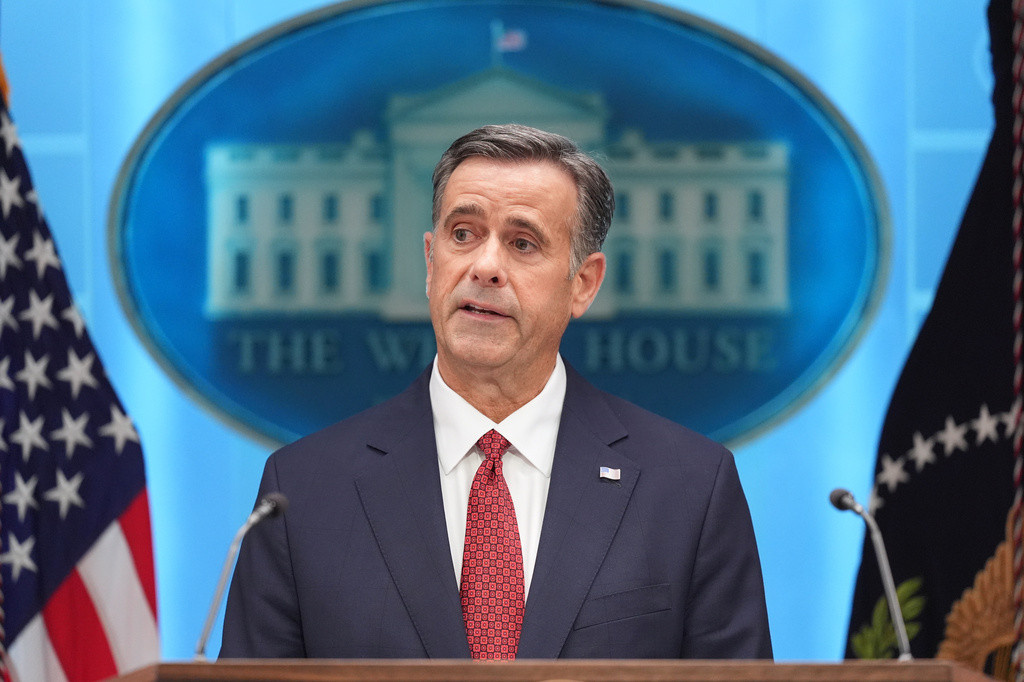
CIA Director John Ratcliffe has officially announced a new policy that will require all future diplomatic engagements with Russia to include surprise visits to Moscow, beginning with his own unexpected trip this week. In a stunning display of bureaucratic confidence, the CIA has stated that such surprise visits will now be considered a core component of diplomatic strategy, designed to foster goodwill and provide an element of unpredictability that is sure to keep international relations fresh and exciting.
Officials at the CIA have elaborated that this policy is part of a larger initiative termed "Operation: Keep Them Guessing." The initiative aims to ensure that U.S.-Russia relations remain in a constant state of suspense, akin to a thrilling game of chess where neither player knows the next move. According to sources within the agency, this will also involve a series of spontaneous dance parties on the Kremlin lawn, intended to foster camaraderie among the agencies.
Still Beats Watergate:
Sponsor success. Continue reading:
In typical bureaucratic fashion, Ratcliffe's office has released a 250-page compliance manual outlining the new surprise visit protocols. This includes mandatory "Moscow Surprise Training" for all CIA agents, which will cover essential skills such as "How to Pack for Unplanned Trips" and "Small Talk with Russian Officials: A Guide to Avoiding Awkward Silences." Agents are required to enroll in this training within six weeks of the announcement, or risk being assigned to more tedious tasks such as paperwork.
Furthermore, the CIA has introduced a new performance metric to evaluate the success of these visits: the "Spontaneity Quotient" (SQ). This metric will measure not only the number of surprise visits made but also the level of shock experienced by Russian officials upon the arrival of the CIA Director. To ensure compliance, an oversight committee will conduct quarterly reviews, complete with surprise audits, of the SQ across all CIA branches.
In a bold move that has raised eyebrows, Ratcliffe has also proposed the establishment of a new department dedicated solely to organizing these surprise visits. Tentatively titled the "Department of Diplomatic Disruption," this new agency will be tasked with coordinating the logistics of surprise trips, ensuring that all agents have the necessary resources to execute their missions without prior notice.
As the CIA continues to roll out this ambitious initiative, officials are confident that the unpredictable nature of surprise visits will ultimately lead to improved relations with Russia. In a final twist, Ratcliffe has hinted that other nations may soon be added to the list for surprise visits, suggesting that the U.S. could soon become the global leader in diplomatic unpredictability. Meanwhile, back at the CIA, agents are bracing themselves for a whirlwind of spontaneous travel, who knows where the next surprise might take them?