Trump’s Economic Strategy to Squeeze Iran Faces Chinese Tango
The Trump administration has officially launched "Operation Economic Squeeze" aimed at tightening the noose around Iran's financial connections worldwide, but there's a catch: China is still in the room. Treasury Secretary Scott Bessent announced the initiative, yet curiously omitted any concrete steps on how the U.S. plans to tackle Beijing's cozy relationship with Tehran. It appears that while the U.S. is eager to isolate Iran, it is also tiptoeing around its biggest trading partner. After all, you can’t have a trade war while trying to wage an economic war at the same time.
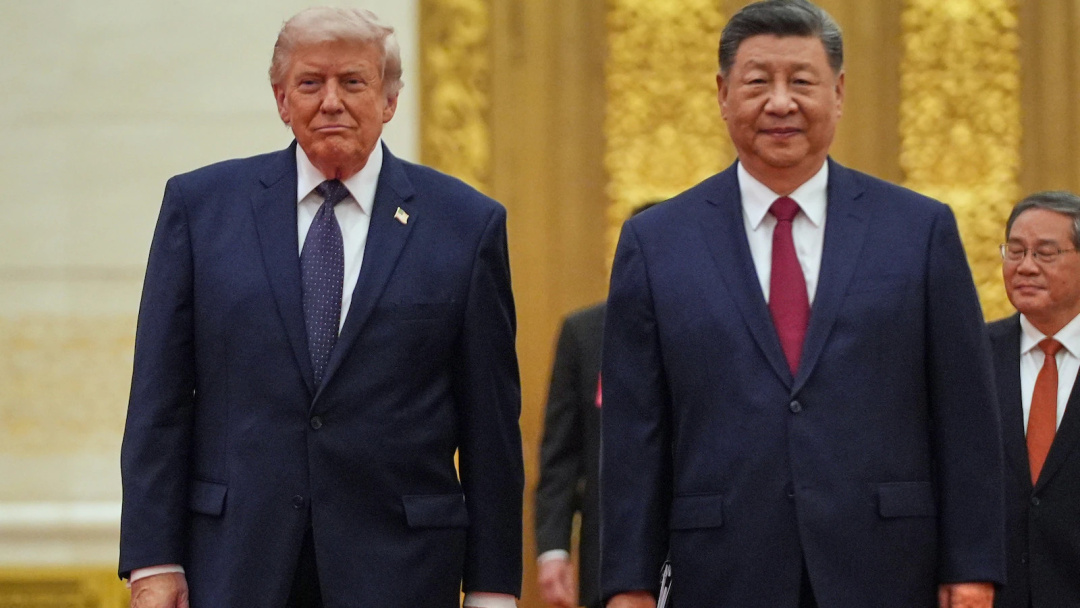
Officials are finding themselves in a delightful bureaucratic dance. As the U.S. attempts to impose sanctions on nearly 60 entities linked to Iran’s nuclear ambitions, they also have to reassure China that it’s all just a friendly game of economic chess, not a full-blown war. With President Trump preparing for a summit with Chinese leader Xi Jinping, the stakes are higher than ever. The administration has reportedly been playing with soft language, allowing for a level of ambiguity that could make even the best diplomats dizzy.
Still Beats Watergate:
Sponsor success. Continue reading:
"We will pressure Iran without upsetting China too much," Bessent likely mused, immediately drafting a new memo on how to avoid specific details that could lead to a diplomatic disaster. After all, what's a few billion dollars in oil trade when you can host a state dinner?
In an official statement, the Chinese foreign ministry reiterated that their cooperation with Iran is all above board, operating strictly within international law—whatever that means in the geopolitical game of chicken they’re playing. They’ve been known to receive more than 80% of Iranian oil shipments, often through tactics that sound suspiciously like a shell game, but why should that concern anyone?
Experts suggest that the Trump administration might need to employ some creative accounting to ensure that both Iran and China are kept happy. "The real crux is whether the U.S. can pressure China to reduce its dealings with Iran without sending them off in a huff to sign trade deals with their other friends," said an insider, who remains anonymous for fear of being caught in the crossfire of economic warfare.
As the summit approaches, it’s becoming clear that neither party wants to rock the boat too much. While the U.S. considers the potential for economic sanctions against Chinese companies, the reality is that now is not the time for a bold move. Trump has been known to pamper his relationship with Xi, perhaps hoping for a few favorable tweets in return. So, as the countdown to the summit ticks away, the world watches to see how this economic tango unfolds.
In the end, the administration's grand strategy might just boil down to a complicated game of diplomatic charades, with everyone pretending to play nice while the sanctions paperwork piles up. What’s next? An official White House memo declaring that no one truly means what they say? That would certainly save a lot of time in this tangled web of international relations.