Trump Administration Announces Wild Horse Culling Initiative to Streamline Costs
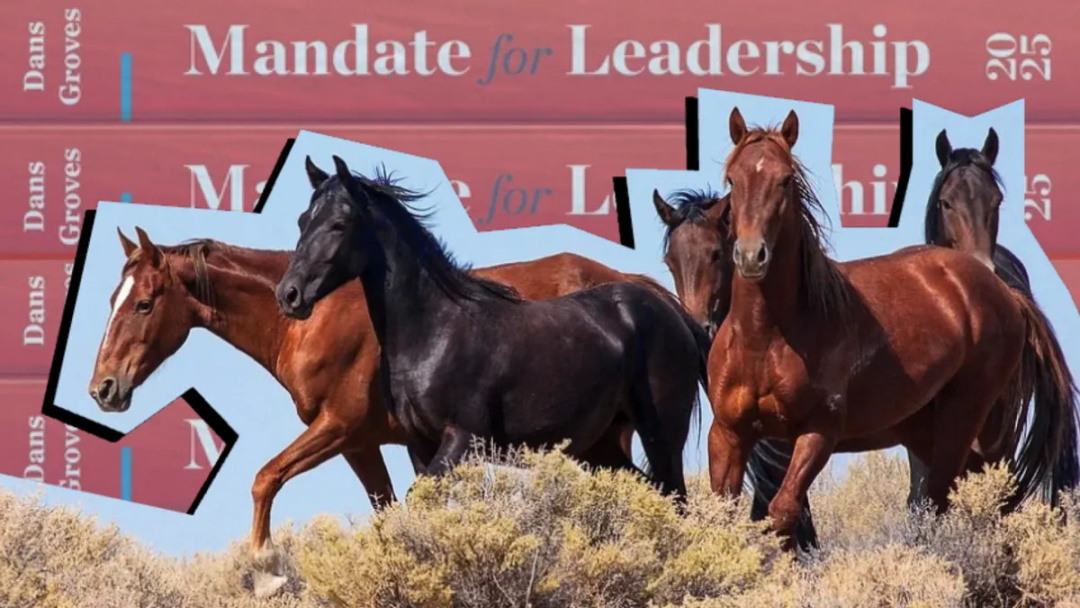
The Trump administration has officially launched its latest initiative: a comprehensive culling of wild horses across federal lands, all in the name of fiscal responsibility. This audacious policy, part of the much-discussed Project 2025, aims to eliminate what officials are calling 'unnecessary equine expenditures' while simultaneously addressing the perennial issue of overpopulation among wild horse herds.
In a press briefing, an unnamed spokesperson confidently declared that the administration's new 'Cost-Cutting Equine Management Strategy' will not only save taxpayers an estimated two cents per horse but will also enhance the overall budget for more pressing matters, like renovating the White House golf course. This ambitious plan involves the establishment of a dedicated task force, the Wild Horse Optimization Oversight Committee, tasked with ensuring that all horse culling is conducted with the utmost efficiency and adherence to bureaucratic procedures.
Still Beats Watergate:
Sponsor success. Continue reading:
Further complicating the matter, an internal memo leaked from the Department of the Interior suggests that the administration plans to implement an elaborate point system for each horse culled, rewarding officials based on factors such as speed, creativity in capture methods, and public relations effectiveness. The memo outlines a tiered bonus structure that incentivizes not just the culling itself but the crafting of compelling narratives to justify the action to the public.
As part of this initiative, the administration has proposed the creation of a new media campaign titled "Saving Money, One Horse at a Time," featuring dramatic infographics that depict the financial savings alongside charming pictures of the wild horses they plan to remove. Critics, however, have raised concerns about the ethical implications of the culling, with animal rights advocates arguing that the initiative could lead to catastrophic ecological consequences and a public backlash that would rival the infamous dolphin hunts of the past.
In response to these criticisms, the administration assures the public that all actions will be conducted under the strictest guidelines of transparency—albeit behind a wall of carefully curated media narratives. Furthermore, the Wild Horse Optimization Oversight Committee has been granted the authority to expand its scope to include the culling of other so-called 'costly wildlife,' should the need arise.
In what was described as an exciting turn of events, officials indicated that the initiative may also involve partnerships with private slaughterhouses, a move celebrated by some as a bold leap toward privatizing animal management. As the administration rolls out this innovative approach to wildlife and cost management, one can only imagine the potential for further bureaucratic hilarity to emerge from the halls of power as they navigate the complexities of animal rights and fiscal responsibility.