Trump Administration Streamlines Autism Oversight by Shuffling Deck Chairs
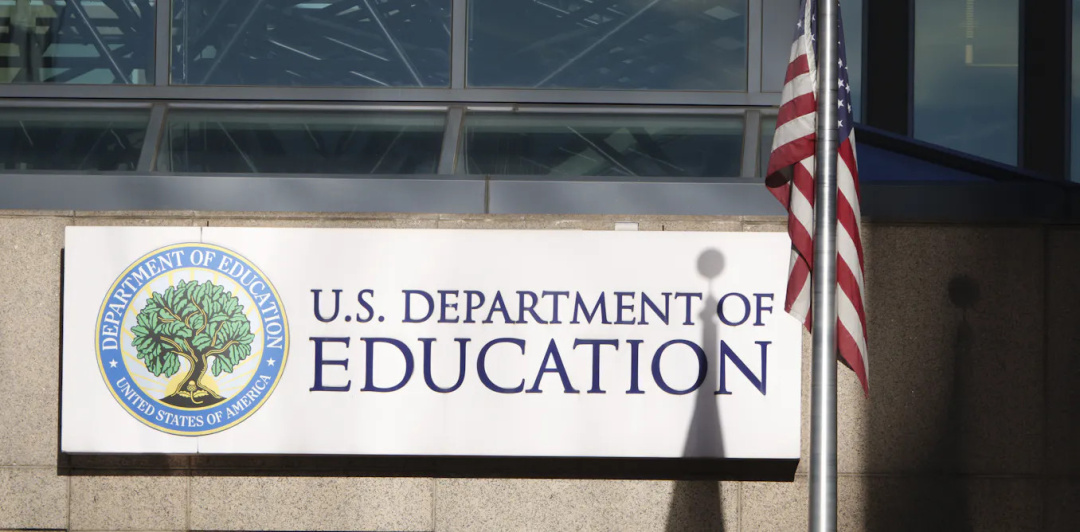
The Trump administration has boldly announced a new initiative aimed at streamlining autism oversight by effectively dismantling the Department of Education's Office for Civil Rights. In what can only be described as a masterclass in bureaucratic efficiency, the administration has opted to cut funding for critical oversight while simultaneously transferring responsibilities to other agencies, all in the name of making federal support systems work better for children and families.
In a press briefing that left many scratching their heads, officials stated that this reorganization will eliminate redundancy and improve response times, even though the Office for Civil Rights was already operating at a 12-year low in resolving complaints. With nearly 12,000 civil rights cases backlogged and no clear home for overlapping complaints involving race and disability, one has to wonder how families seeking help will fare in this new landscape of confusion and chaos.
Still Beats Watergate:
Sponsor success. Continue reading:
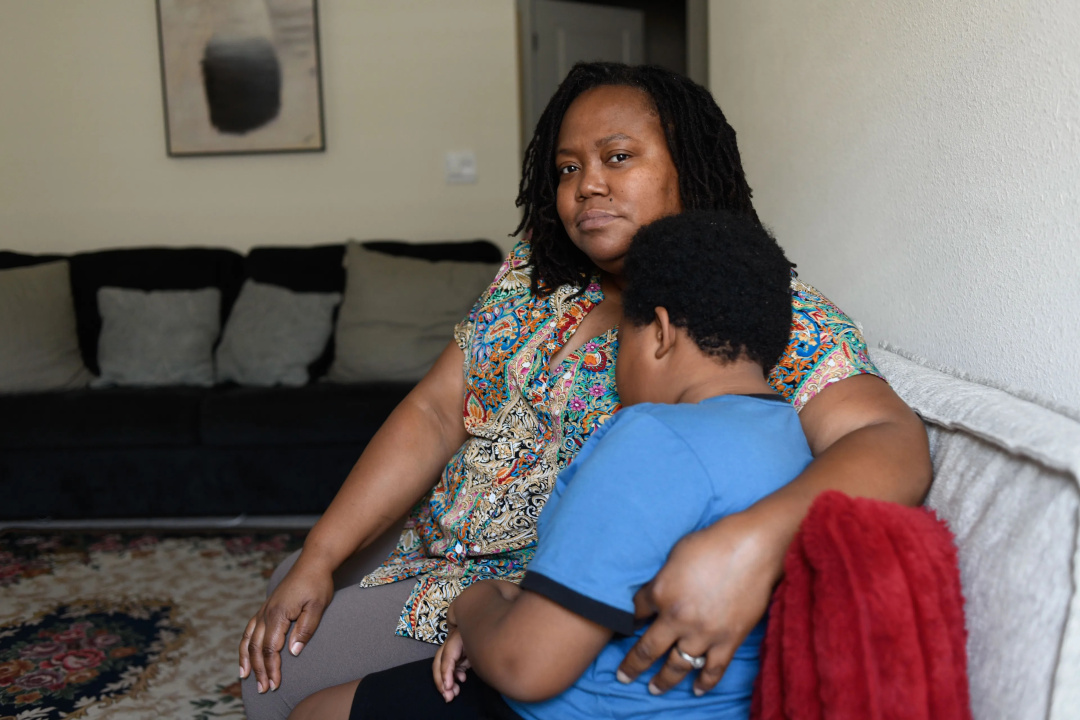
The administration's logic appears to be that by removing the very offices designed to protect vulnerable children, they can create a streamlined system that will somehow be more effective. In practice, this means that parents like Josette Smith, who filed complaints for her son Ethan, will now need to navigate a labyrinth of agencies that are each pointing fingers at one another, ensuring that accountability is as elusive as ever.
Health and Human Services Secretary Robert F. Kennedy Jr. has been quoted as saying that autism is a tragedy that “destroys families,” a sentiment that might resonate more if the actions of the administration didn’t seem to exacerbate the very issues he laments. Meanwhile, the White House remains steadfast in its commitment to cut equity investigations in schools, despite the well-documented disparities experienced by nonwhite and low-income children in receiving timely autism diagnoses and support.
In a stunning twist, the administration has also decided to freeze data collection on racial disparities, asserting that eliminating such research will somehow lead to better outcomes for those affected. It’s almost as if they believe that by simply ignoring the problem, it will magically resolve itself. This approach has drawn ire from advocates who warn that without the necessary data to understand the severity of the situation, the administration is effectively making the situation worse.
As families like the Smiths wait anxiously for decisions on their civil rights cases, the administration's cavalier attitude toward oversight raises alarming questions about the future. The fear among advocates is palpable: without timely assessments and interventions, children of color with disabilities, like Ethan, risk being funneled out of public schools and into systems that are far less forgiving. In a world where the federal government is pulling back rather than stepping up, it seems that the only thing streamlined is the path to chaos.