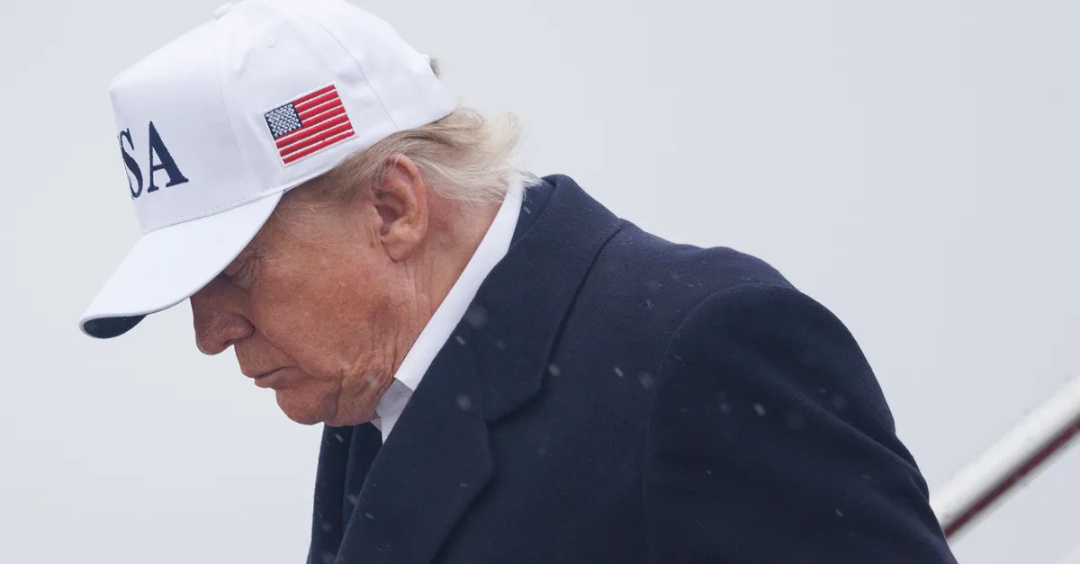
Trump Launches Operation Economic Outcast to Isolate Iran's Business Partners
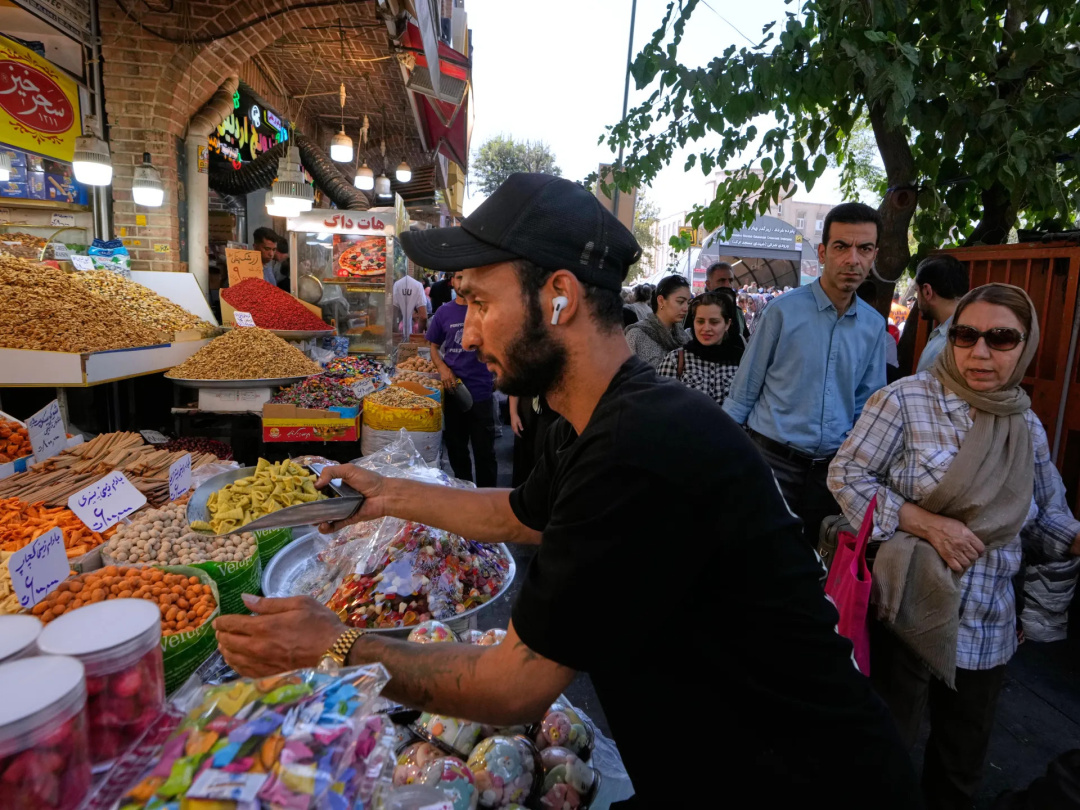
The United States has officially launched 'Operation Economic Outcast,' a bold new initiative that not only aims to choke Iran's economy but also threatens to snatch the financial lifelines of any country daring to do business with Tehran. In an announcement that has global markets on edge, the U.S. has targeted at least 60 entities across the Middle East, Asia, and Europe, proving once again that when it comes to economic warfare, the U.S. is ready to play hardball.
Treasury Secretary Scott Bessent confidently declared that the U.S. will sever all revenue streams supporting Iran’s so-called tyrannical regime. The underlying message is clear: countries must choose sides in this game of fiscal chicken. "If you facilitate transactions that support Iranian oil, prepare to be swept up in our sanctions net," Bessent warned, emphasizing that the U.S. will not hesitate to penalize nations that engage in trade with Iran.
Still Beats Watergate:
Sponsor success. Continue reading:
This latest move follows Trump's grand announcement of what he termed the "most crushing economic operation" against Iran. In his typical bombastic fashion, Trump took to social media, proclaiming that any country allowing its financial institutions or businesses to support Iran would face "TREMENDOUS Economic Consequences." The use of capital letters was clearly intended to convey the gravity of the situation, leaving no doubt about the administration's intentions.
But here's where it gets truly absurd: Bessent explained that the U.S. is merely giving these nations an opportunity to "remedy bad behavior" without blowing up the global financial system. It's as if the U.S. is playing a game of Monopoly, where the rules change every time someone is about to land on Park Place. The potential for chaos in international markets is palpable, but why worry about that when you can just label it as a necessary step to enforce compliance?
The mechanics of secondary sanctions are not new to Washington, having been employed effectively against Iran, Russia, and North Korea in the past. But the stakes have never been higher, as the U.S. aims to use its market access as leverage against trading partners. Whether it's an Indian bank processing payments for an Iranian trade deal or a European company exporting goods to Iran, the message is clear: tread carefully, or face serious repercussions.
Analysts are already skeptical about the effectiveness of this strategy, especially regarding major players like China, which has shown resilience against U.S. sanctions in the past. With a significant portion of its oil supply coming from Iran, China is unlikely to back down easily. Meanwhile, Trump’s administration remains undeterred, confident that they can successfully isolate Iran and its allies without sending the global economy into a tailspin.
As this high-stakes economic drama unfolds, one has to wonder: will the U.S. really succeed in enforcing these sanctions, or are they merely a paper tiger, roaring loudly while hiding a much weaker reality? Only time will tell if Operation Economic Outcast will be remembered as a masterstroke of foreign policy or just another chapter in the ongoing saga of geopolitical brinkmanship.