Canada's Trade Talks Suspended as Carney Declares War on Trump's Tariffs
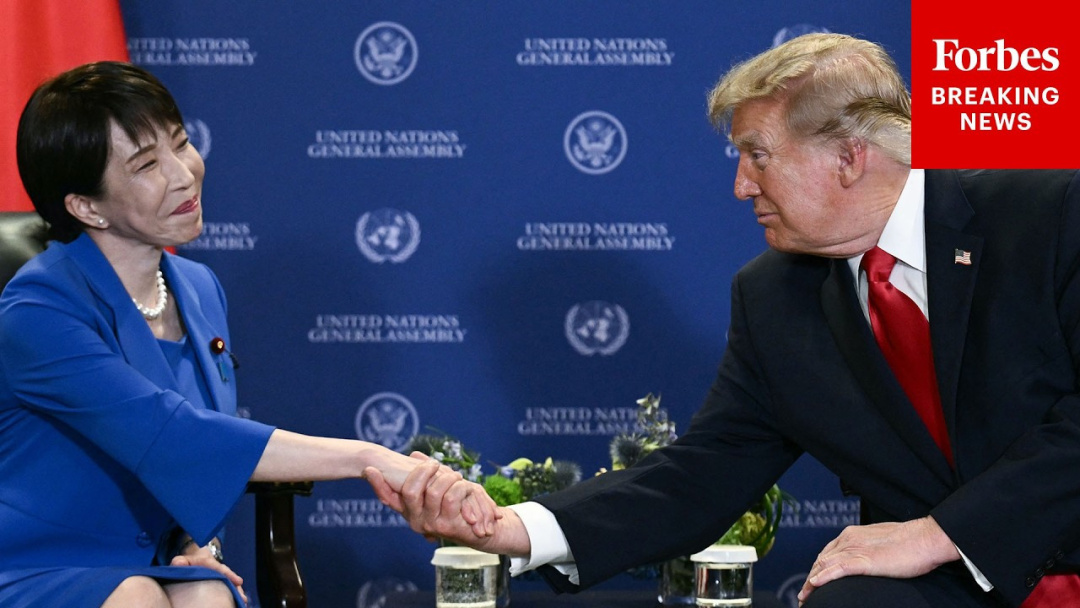
Canadian Prime Minister Mark Carney has officially suspended trade talks with the United States, citing last-minute changes by American negotiators that were deemed unfair, uneconomic, and suspiciously convenient. Within hours, President Trump retaliated with new tariffs targeting $28 billion in Canadian goods, a move that could potentially cost 90,000 Canadian jobs.
In a stunning reversal from his previously conciliatory approach, Carney declared that Canada would no longer be a willing participant in what he described as an ongoing 'Tariff Tug-of-War.' Earlier this year, he had championed the benefits of greater Canada-U.S. integration, even suggesting that a 'Canada Strong' would help make America great again. Now, with negotiations collapsed and trade tensions escalating, the Prime Minister's rhetoric has taken a turn, embracing a far more combative stance.
Still Beats Watergate:
Sponsor success. Continue reading:
The trade proposals from the Trump administration were, to put it mildly, less than ideal. Canada was faced with hefty tariffs on key exports like automobiles, steel, and aluminum, all while being coerced into compromising its long-standing policies, including the protection of the French language. In a move that could only be described as brazen, the U.S. demanded that Canada also allow American companies a veto over its trade agreements, a clear overreach of sovereignty that has sparked outrage across the political spectrum.
"We cannot accept what they’ve offered, and we will not give what they’ve asked … They asked too much and offered too little," Carney stated with the confidence of a man who has just realized he has the upper hand in a poker game where the stakes are national pride and economic stability.
As the war of words intensified, Ontario Premier Doug Ford did not shy away from expressing his feelings about Trump, suggesting the President could “kiss my ass.” Meanwhile, other political leaders in Canada have begun to rally behind the idea of retaliatory measures that extend well beyond tariffs. Former Prime Minister Jean Chrétien has joined the chorus, urging the government to consider suspending defense contracts, including the controversial purchase of American F-35 fighter jets.
While some analysts have portrayed Canada’s response as futile, likening its retaliatory tariffs to a pea shooter in a gun battle, they underestimate Canada's unique leverage. As Nobel Prize-winning economist Paul Krugman pointed out, the U.S. remains heavily dependent on vital Canadian exports such as oil and lumber, and any tariffs on these goods could lead to higher costs for American consumers and businesses already grappling with inflation.
This evolving situation has drawn the attention of foreign governments, who are keenly aware of the political ramifications of a trade war as the U.S. approaches midterm elections. Canada’s strategic choice to target vulnerable Republican districts with carefully calibrated tariffs could make the trade dispute not just an economic issue, but a political liability for the Trump administration.
In a historic shift for Canadian foreign policy, the conversation around retaliation against the U.S. has transformed from a whisper to a rallying cry, indicating a newfound resolve to stand firm against American aggression. The question remains whether Canadians are prepared to bear the economic costs of this newly assertive stance, as they prepare to send a clear message that the Trump administration has crossed a line that cannot go unchallenged.