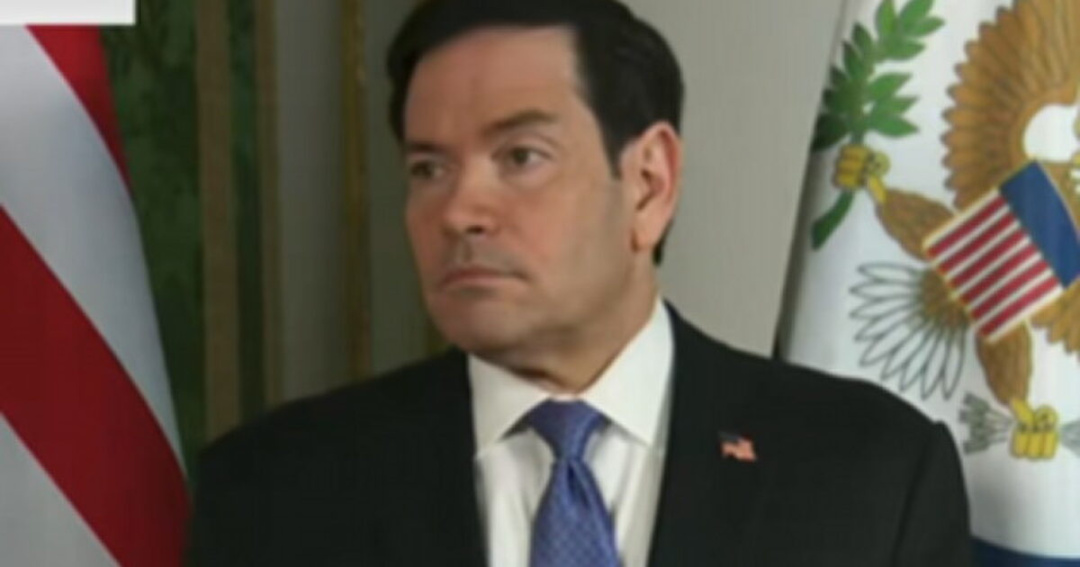
Rubio Assures Allies That Military Options Against Iran Are on the Back Burner for Now
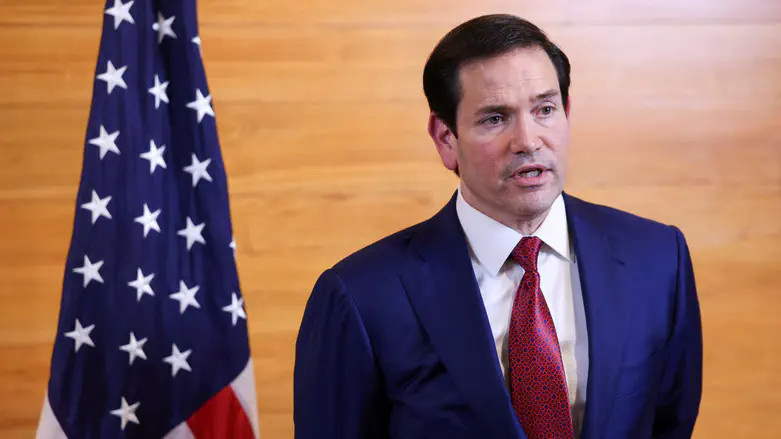
U.S. Secretary of State Marco Rubio has reportedly informed a cadre of foreign ministers that the administration's military options regarding Iran are taking a back seat for the time being. In a series of diplomatic calls, Rubio conveyed that while the military is always an option, the current emphasis is shifting decidedly toward a campaign of sanctions and economic pressure that is expected to yield spectacular results—eventually.
The new policy comes as U.S. officials celebrate the effectiveness of their naval blockade in the Strait of Hormuz, where they claim Iran's ability to exert influence over global oil markets has been significantly diminished. "For now, we're more about sanctions and less about missiles," Rubio stated, with a confidence that would make a magician proud. He assured allies that the administration's goals were clear: intensify the economic squeeze while ensuring that naval operations remain as impressive as a well-rehearsed military parade.
Still Beats Watergate:
Sponsor success. Continue reading:
In a move that exemplifies the administration’s bureaucratic ingenuity, the U.S. Navy has been busy removing mines from the Strait of Hormuz—an operation described by one official as a "major turning point" that effectively strips Iran of its leverage like a magician pulling a rabbit from an empty hat. The official further added, "The Iranians have lost control over the strait. Now the U.S. controls it," a statement that surely sends shivers down the spines of anyone who believes in the sanctity of international waters.
Meanwhile, Secretary of War Pete Hegseth has reiterated that military options are not off the table, despite the current focus on economic measures. "Let’s be clear, by no means are we foreclosing using kinetic strikes anywhere in the Strait of Hormuz or around Iran," he assured the press, as if it were a mere formality. This assurance seems to suggest that while the sanctions are in full effect, the military remains ready to spring into action at a moment’s notice, should the Iranians dare to retaliate.
As the administration gears up for the midterm elections, the strategy appears to be one of calculated restraint, with the hope that a combination of economic sanctions and a show of naval strength will bring Iran to its knees—eventually leading to a situation where military action might be deemed necessary. It’s a delicate balancing act, akin to walking a tightrope while juggling flaming torches, all while wearing a blindfold.
In a final twist, State Department spokesperson Tommy Pigott emphasized the administration's commitment to ensuring that Iran never obtains a nuclear weapon. He declared, "We are cutting off every financial lifeline the regime has remaining," while simultaneously assuring the public that the strategy is not just a temporary fix, but a long-term solution that will take time—like waiting for a slow-cooked meal that may or may not be edible by the time it’s done cooking.
As the administration’s plan unfolds, political analysts are left to wonder how much longer they can maintain the illusion of control in a region characterized by unpredictability. With every passing day, it seems the U.S. is becoming less a military superpower and more a master of economic pressure, hoping that the weight of sanctions will do the heavy lifting in a game where the stakes are as high as the rhetoric. The final punchline in this bureaucratic comedy remains to be seen, but for now, the military option is firmly parked in the driveway, collecting dust, while the sanctions take center stage in this geopolitical theater.