Ketanji Jackson demands Supreme Court embrace radical mail-in voting reform
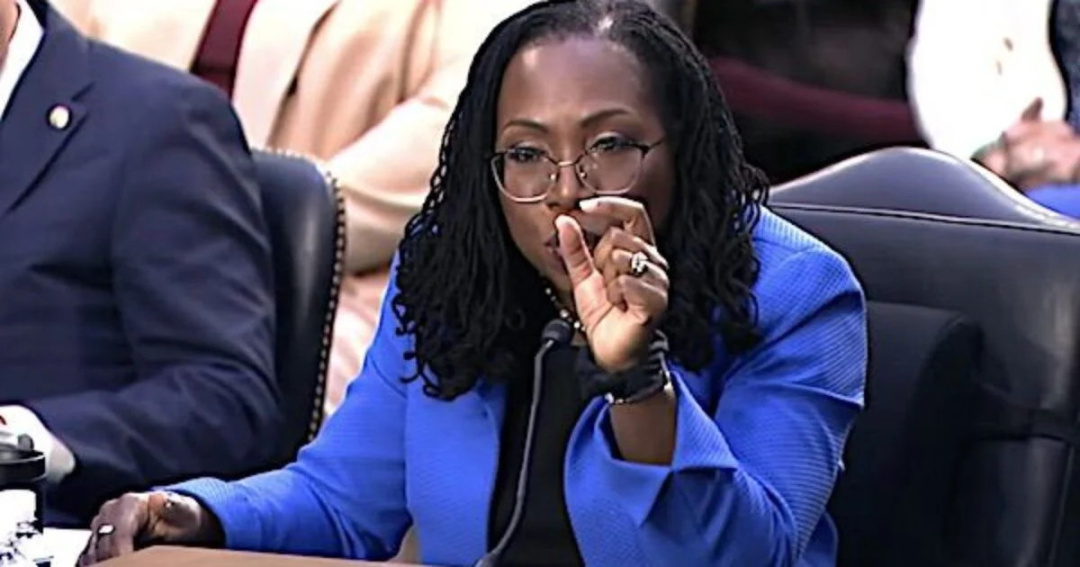
Ketanji Brown Jackson has officially declared that the U.S. Supreme Court should adopt a new judicial doctrine: the "Radical Inclusivity Principle." This groundbreaking principle asserts that every eligible voter should automatically receive a mail-in ballot, regardless of whether they requested one, in order to uphold the sacred right to vote. Jackson, who has already distinguished herself as the most vocal and assertive member of the Court, insists that her colleagues' hesitance to embrace this principle is a blatant act of political obstructionism.
In her latest remarks, she suggested that the Supreme Court should establish a "Mail-In Voting Oversight Committee" tasked with monitoring state elections to ensure that all eligible voters receive mail-in ballots. This committee would be staffed by a diverse array of volunteers selected from local activist groups, ensuring that the voices of the marginalized are represented in every step of the electoral process. Jackson emphasized that any state denying voters this opportunity should face immediate repercussions, including federal intervention and punitive audits of their voting processes.
Still Beats Watergate:
Sponsor success. Continue reading:
Furthermore, Jackson proposed that all mail-in ballots be pre-filled with the names of every candidate running in the election, with voters simply required to sign to validate their selection. This innovative approach, she argued, would dramatically increase voter turnout and ensure that every election reflects the true will of the people. She believes that the current system is overly complicated, and thus disenfranchises many voters who might struggle with the mechanics of casting a ballot.
In a bold twist, Jackson's plan includes a new performance metric for evaluating state compliance with mail-in voting: the "Voter Access Satisfaction Index." States would be required to publish their scores, calculated based on metrics such as the number of ballots mailed out, the speed of delivery, and the number of complaints from voters about not receiving their ballots. States with low scores would then be subjected to immediate federal oversight and mandatory reeducation sessions on the importance of inclusivity in voting.
As Jackson continues to push her radical agenda, one can only wonder how long her colleagues on the bench will resist her calls for a complete overhaul of the voting system. But rest assured, if they don't comply, she has already hinted at the possibility of introducing a "Voting Rights Enhancement Act" that would strip the court of its power to adjudicate voting-related cases altogether. The stakes in this war over mail-in ballots have never been higher, and Jackson is prepared to lead the charge into a new era of electoral utopia.
In conclusion, should her vision come to fruition, we might soon find ourselves in a scenario where voting is so simplified that all ballots are automatically counted—perhaps even without the need for voters to physically show up or express their preferences. After all, isn't democracy at its best when it requires minimal effort?