Markets Brace for Election Day with New Financial Metrics
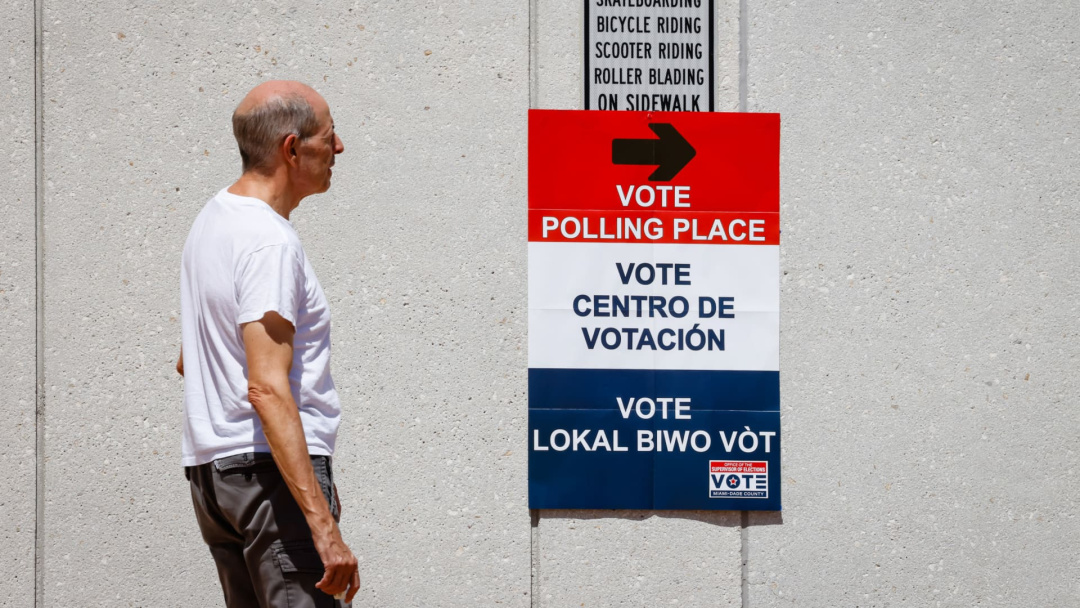
Financial analysts on Wall Street have unveiled a groundbreaking new metric as the 2026 election approaches: the Electoral Uncertainty Index (EUI). This revolutionary index will track the potential for market volatility based on how many candidates are caught in scandalous photo ops with unsanctioned voting booths. The more unsanctioned booths spotted, the higher the EUI will climb, with a direct correlation to investor panic.
In an unexpected twist, the EUI will also factor in the number of campaign ads that feature candidates awkwardly trying to relate to everyday voters. Analysts believe that each cringe-inducing moment in a candidate's campaign ad will elevate the EUI significantly, leading to a new era of financial forecasting based on the emotional resonance of campaign slogans. For example, a candidate's fumbling attempt to skateboard into a polling place could see the index spike dramatically, signaling a sell-off in tech stocks.
Still Beats Watergate:
Sponsor success. Continue reading:
Moreover, in a move that has left financial experts scratching their heads, the administration has introduced a new compliance program for companies to report any signs of electoral fatigue among their employees. Companies will now be required to submit quarterly reports on how many employees have suffered from political burnout due to election campaigns. This initiative, dubbed the Corporate Electoral Engagement Standard (CEES), aims to ensure that businesses remain vigilant against the potential fallout from disillusioned voters who may also be investors. Failure to comply will result in hefty fines and mandatory team-building exercises that include watching campaign ads on loop for 48 hours.
As part of this initiative, the Department of Labor has also proposed an amendment to the Fair Labor Standards Act, allowing workers to take time off to recover from “election stress.” This new policy aims to improve overall employee morale during peak campaign seasons, ensuring that the workforce remains efficient, even as they deal with the emotional toll of seeing their preferred candidate lose in a landslide.
In a final twist, the Securities and Exchange Commission (SEC) is considering imposing a new rule that any company wishing to go public must first conduct a poll of its employees on their political affiliations. The idea is to prevent companies from becoming too politically homogenous, which could lead to mass investor flight if the company’s favored candidate loses. Thus, the corporate world finds itself caught in a whirlwind of electoral metrics, compliance regulations, and the ever-looming threat of market instability, all while trying to maintain a facade of normalcy in an increasingly chaotic political landscape.