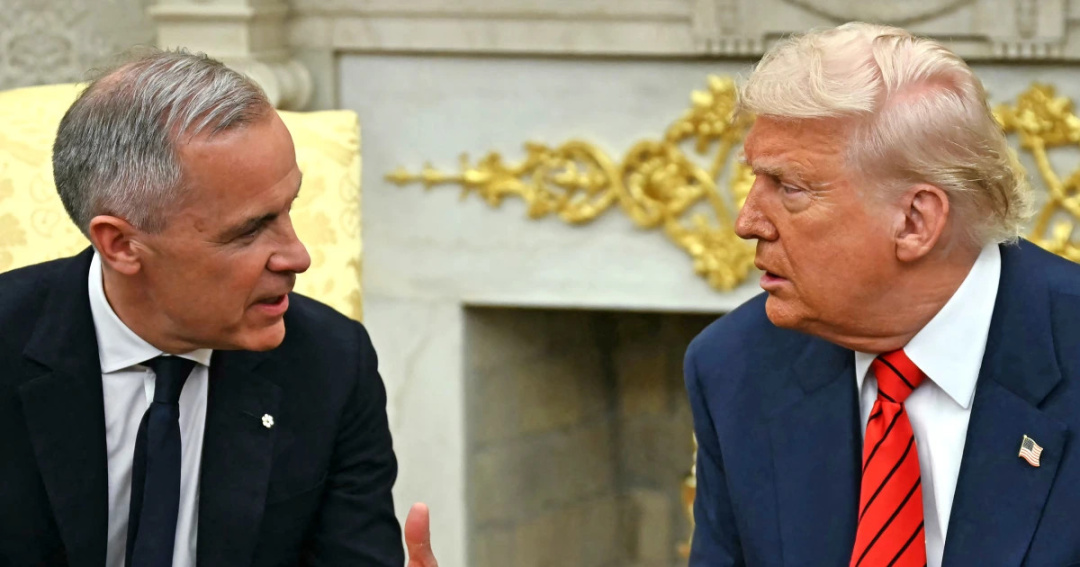
Canada Announces 50% Tariff on U.S. Goods, Claims It's Just a Friendly Suggestion
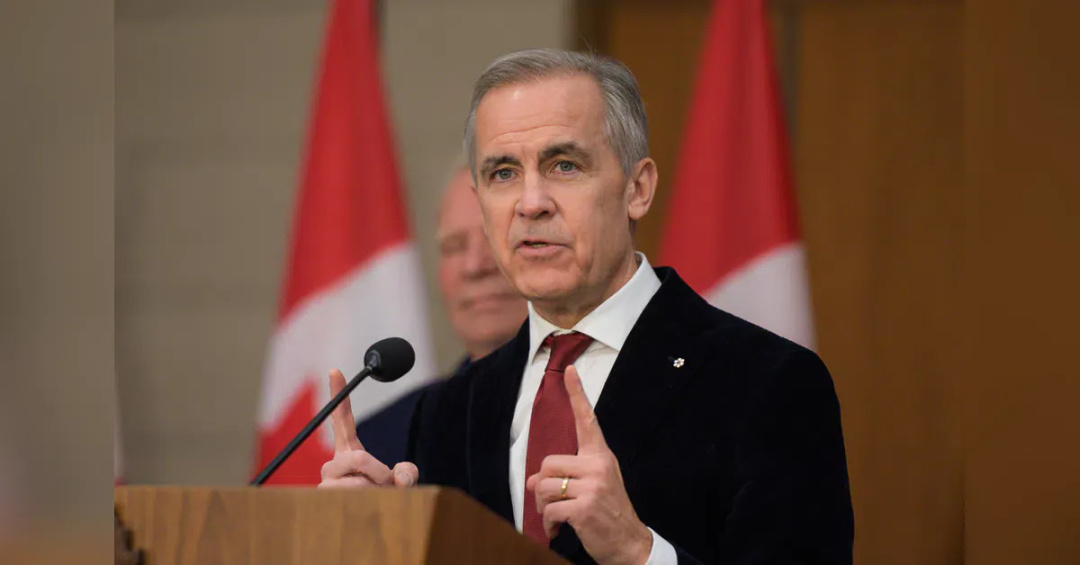
Canada has officially announced a 50% tariff on U.S. goods, a move that Prime Minister Mark Carney insists is not just retaliatory but also a friendly invitation to reconsider the notion of trade. "We view this as a collaborative effort to foster better relations and not merely a punitive measure," Carney stated during a press briefing complete with maple syrup-flavored talking points. In a baffling twist of bureaucratic logic, the Canadian government has decided to classify these tariffs as part of their 'Civic Engagement Initiative,' aimed at increasing American awareness of Canadian customs and prices.
The Canadian government has introduced a new compliance metric called the "Tariff Transparency Index," which will be used to measure how well U.S. companies adapt to these tariffs. The index will rely on subjective assessments from Canadian citizens who are encouraged to express their views on imported products while enjoying a cup of Tim Hortons coffee. In a shocking revelation, officials admitted that the index may not actually lead to any useful data but will instead serve as a delightful distraction from the trade war.
Still Beats Watergate:
Sponsor success. Continue reading:
Trade experts are perplexed by the new policy's implementation details, which include mandatory participation in a series of workshops titled "How to Negotiate with Your Neighbor: A Canadian Perspective." These workshops will reportedly feature role-playing sessions where American businesses can practice their apologies in advance of future discussions. Officials have assured the public that this approach will lead to better understanding and possibly lower tariffs, despite the apparent contradiction.
In a final twist, the Canadian government has hinted at future tariff adjustments based on public opinion polls conducted during the Toronto Maple Leafs games. When asked about the potential chaos this could introduce into trade negotiations, a spokesperson confidently declared that it would be a "unique opportunity for cross-border bonding over sports and snacks."
As the U.S. prepares for a series of economic challenges due to these new tariffs, the Canadian government remains optimistic that their unconventional approach will lead to a more harmonious trade relationship. The final outcome may hinge on whether Americans can embrace the idea that higher prices are just Canada's way of saying, "We love you, but we also want to make a point."