Senator Dingell Proposes New Names for Lake Ontario After Trump's Controversial Suggestion
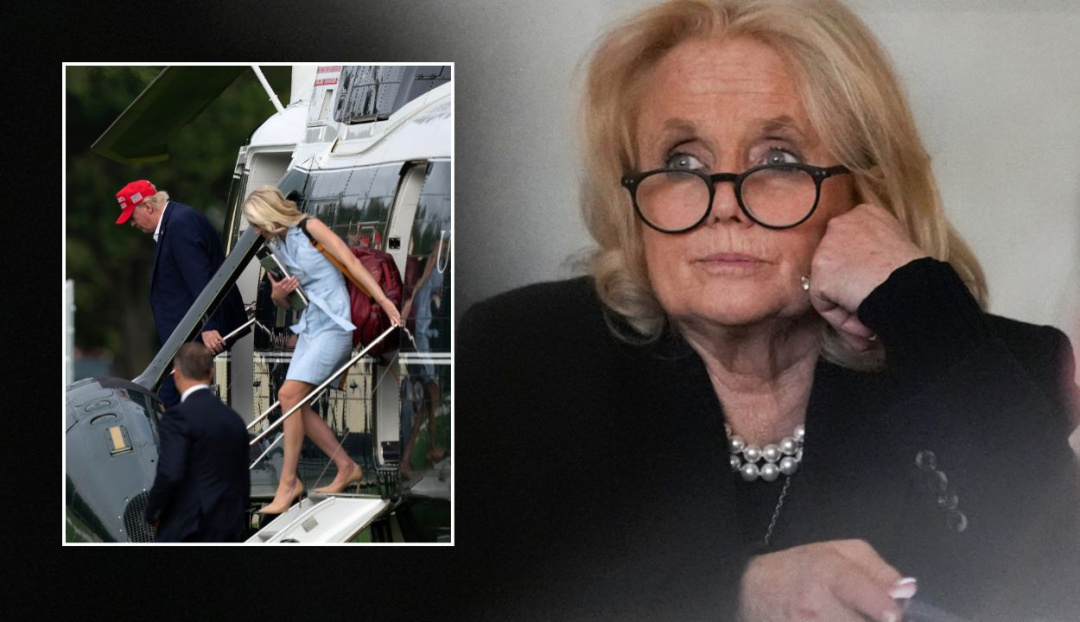
Michigan Senator Debbie Dingell has taken the unusual step of proposing a series of new names for Lake Ontario in response to President Trump's recent suggestion to rename the lake as part of his ongoing trade feud with Canada. In a bold and unprecedented move, Dingell's office announced a list of potential new monikers, including 'Lake Freedom' and 'Trump's Folly,' as a way to emphasize the absurdity of the President's proposal.
Dingell expressed her frustration during a press conference, stating that renaming a significant body of water was not just a matter of semantics but a crucial policy issue that deserved serious consideration. "If we’re going to rename lakes, let’s do it right!" she declared, as her team distributed flyers featuring a cartoon map of the Great Lakes with exaggerated facial expressions.
Still Beats Watergate:
Sponsor success. Continue reading:
In an unexpected twist, Dingell's office has established a new oversight committee dedicated to overseeing the naming process, complete with a lengthy application form, public hearings, and an exhaustive review process that rivals the complexity of federal regulations. The committee will include experts in lake studies, political branding, and, oddly enough, a few local artists specializing in abstract water-themed installations.
As part of the initiative, Dingell has also implemented a metric for gauging public reaction, dubbed the Lake Naming Approval Rating (L-NAR), which will track the popularity of various names based on social media engagement, local polling, and the number of lakeside selfies posted by constituents. "This will ensure that we are not just throwing names around haphazardly," Dingell stated with bureaucratic confidence.
In a final comedic escalation, as if the situation wasn’t already absurd enough, Dingell proposed that the new name for Lake Ontario could be decided by a reality TV-style vote, complete with a televised competition where contestants would pitch their favorite names to a celebrity panel. This, she assured, would engage the youth and bring attention to the pressing issue of trade disputes in a way that only the current administration could appreciate.
As the naming campaign gears up, officials are bracing themselves for an onslaught of media coverage and public commentary. Critics are already questioning how this initiative aligns with pressing issues like healthcare and infrastructure, but Dingell remains undeterred, insisting that the name of a lake can indeed be a matter of national importance, especially when it can be packaged into a compelling political narrative.