Bureaucratic Brigade Launches New Sanctions Targeting Iran’s Shadow Economy
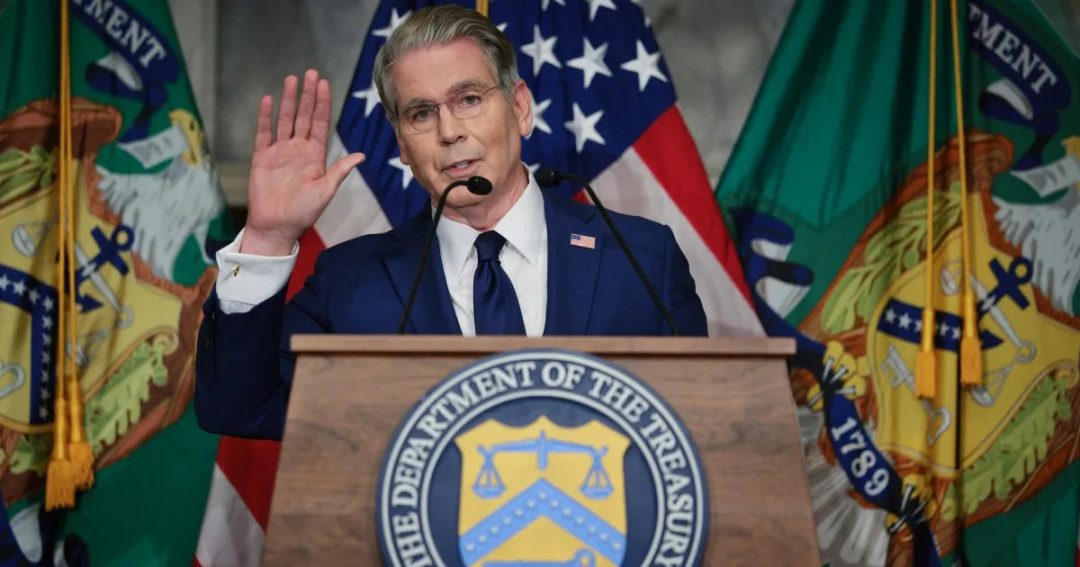
The United States has officially declared an ambitious new initiative for the 'economic asphyxiation' of Iran, which is now entering its sixth month of a diplomatic standoff. Treasury Secretary Scott Bessent, clad in formal wear and armed with an impressive stack of paperwork, introduced sweeping sanctions targeting nearly 60 entities across the globe, all in an effort to ensure that Iran's economy is as isolated as a lone cactus in the desert.
In a stunning display of administrative confidence, Bessent proclaimed the aim of the sanctions to be the complete severing of Iran's so-called 'economic lifelines.' According to him, the US is mapping out Iran's financial networks as if they were an intricate treasure map, complete with X marks the spot, but instead of gold, the US hopes to find crippling sanctions leading to economic ruin.
Still Beats Watergate:
Sponsor success. Continue reading:
The sanctions list reads like a who's who of bureaucratic jargon, with specific targets including organizations dedicated to logistics, shipping, and technology—all crucial support mechanisms for Iran's missile and nuclear ambitions. Notably, the Ministry of Defence and Armed Forces Logistics has made the cut, proving that even government ministries can find themselves on the wrong side of a sanctions ledger.
Bessent insists that the US has meticulously identified over twenty individuals and entities who are part of a sprawling procurement network. This network, he claims, has been instrumental in helping Iran acquire sensitive technology through front companies and covert financial channels, a process he likened to a game of hide-and-seek—but with much higher stakes.
The sanctions are not limited to the Middle East. Companies from Hong Kong to Singapore have found themselves in the crosshairs, as the US seeks to enforce its will globally. Among the newly sanctioned entities is the Hong Kong-based Sweet Ocean Technology, which, according to the US Treasury, has been a key player in facilitating shipments to Iranian organizations. The Treasury's statement suggests that these entities are not just minor players but critical components of Iran's economic apparatus, making the sanctions feel less like a slap on the wrist and more like a full-body tackle.
As the sanctions train rolls on, Iranian officials have responded with a mix of defiance and resignation. Economy Minister Ali Madanizadeh assured the public that the sanctions will fail, citing Iran's extensive experience in circumventing such measures. It seems the Iranian government may have earned a PhD in evading sanctions, making them confident that they will emerge victorious once again.
In a final twist, Bessent hinted that the US might not be done yet. While he refrained from naming specific countries that could face future sanctions, he left the door open for more economic measures. "Why would I want to blow up the global financial system?" he mused, as if contemplating a complex chess move rather than the potential fallout of a financial apocalypse.
As the dust settles, one thing remains clear: the US sanctions are an ongoing saga, a bureaucratic thriller in which every twist and turn is met with a corresponding bureaucratic response from Tehran. Only time will tell if this latest round of sanctions will produce the desired outcome or if they will merely add another chapter to the storied history of US-Iran relations.