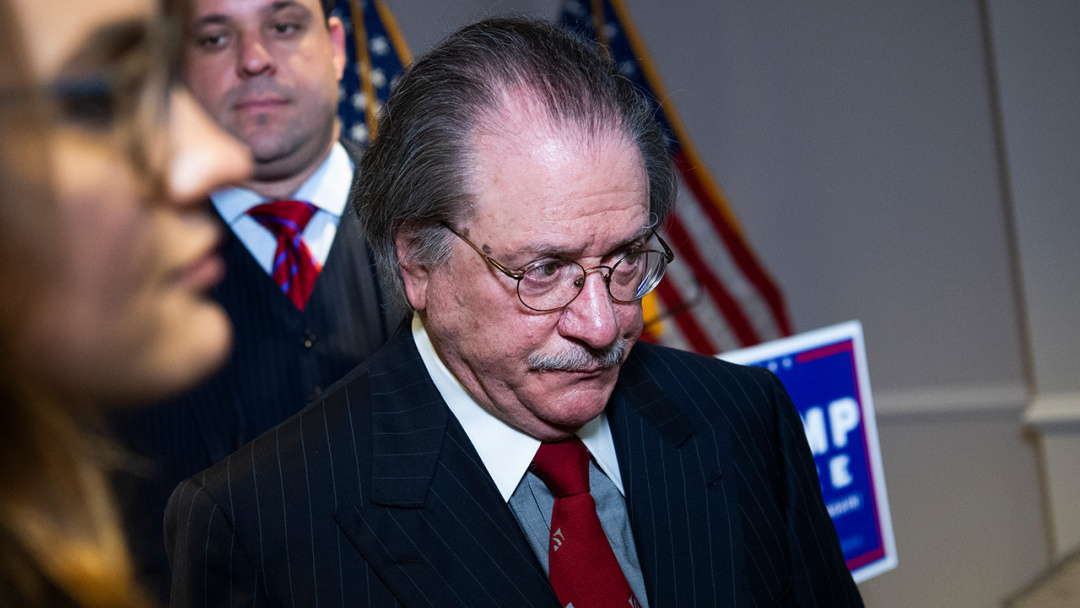
CIA Director Ratcliffe unveils new secretive travel policy for urgent diplomatic missions
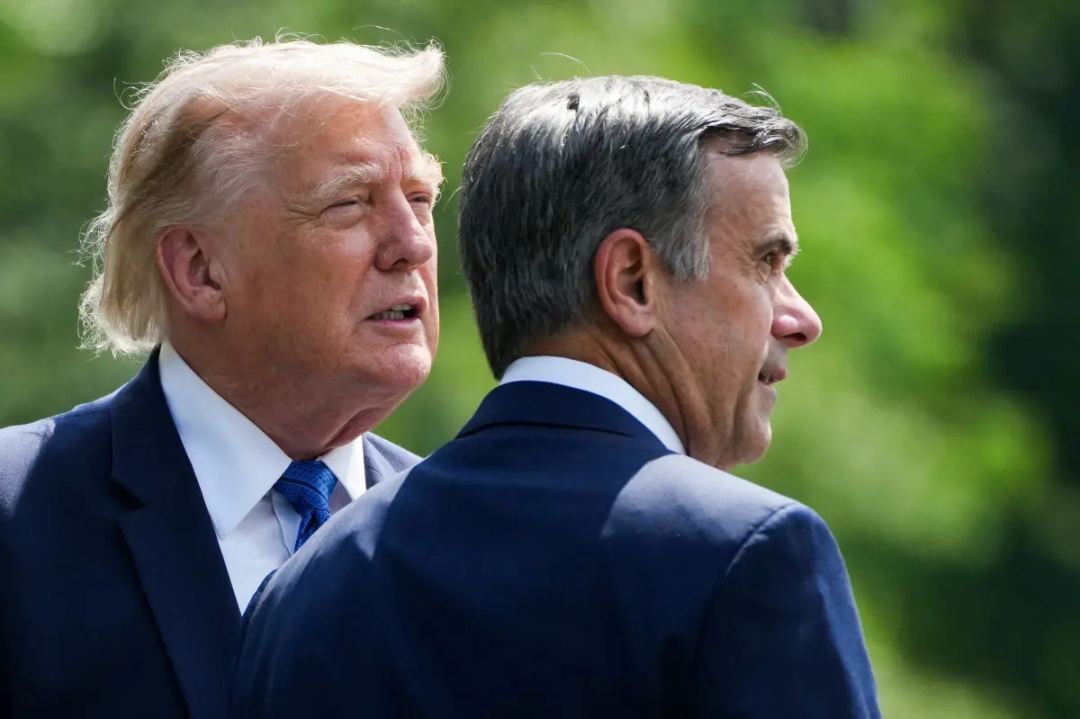
CIA Director John Ratcliffe has unveiled a revolutionary new travel policy that empowers him to undertake covert international missions without the burdensome constraints of transparency or procedural red tape. This initiative, dubbed the "No Questions Asked" program, allows Ratcliffe to hop on military flights to places like Moscow with minimal oversight, ensuring that national security remains shrouded in the utmost secrecy.
Upon landing in Russia, Ratcliffe was greeted with the kind of pomp reserved for rock stars and heads of state—although officials were quick to clarify that the red carpet was merely an oversight in protocol, as it had been rolled out for a different flight. The CIA has assured the public that these visits are essential for maintaining global stability, even if the actual discussions remain classified under a new, top-secret classification known as "Operation: Don't Ask."
Still Beats Watergate:
Sponsor success. Continue reading:
As part of this initiative, Ratcliffe has also introduced an innovative travel metric: the "Vague Diplomacy Index" (VDI), which measures the success of missions based on the number of questions left unanswered by the media. According to insiders, the goal is to achieve a VDI of at least 95%, thereby ensuring that only the most important discussions take place—unless, of course, they happen to involve pizza or vodka, which are considered diplomatic perks.
In a recent press briefing, officials discussed the rationale behind this policy, emphasizing the need for agility in international relations. "Bureaucracy slows us down, and we can’t have that when there are urgent matters at stake," said one unnamed source, who insisted on remaining anonymous due to the sensitivity of the topic.
Despite the program’s merits, there have been whispers of dissent among other agency heads, who question whether eliminating transparency is truly the best way to foster international trust. However, Ratcliffe remains undeterred, asserting that the new policy will not only enhance operational security but also reduce the need for awkward explanations about why he was in Russia in the first place.
As the CIA continues to refine this initiative, it remains to be seen whether other agencies will adopt similar measures or if they will continue to follow the outdated practice of providing explanations for their actions. Until then, the public can rest assured that their leaders are working diligently to ensure that all diplomatic missions remain as mysterious as possible, keeping the art of bureaucracy alive and well in the modern age.