Supreme Court Clears Path for Trump's Mail-In Ballot Order Amid Legal Confusion
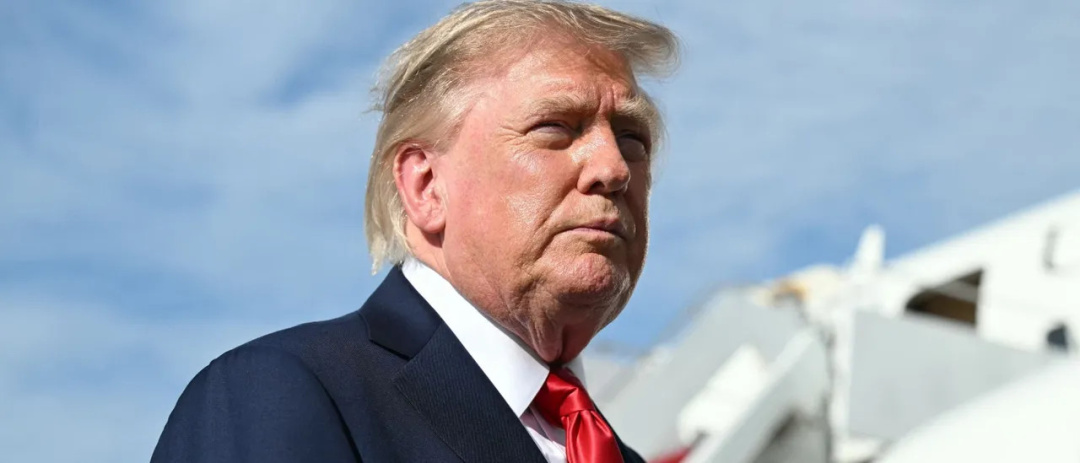
The Supreme Court has taken decisive action by lifting a block imposed by a Massachusetts judge on President Trump's mail-in ballot executive order, thereby allowing the policy to roll out across 23 states and Washington, D.C. This move has raised eyebrows and questions about the judiciary's role in electoral matters.
Official sources within the administration have hailed this ruling as a monumental victory for voter access and administrative efficiency. In a statement, the White House proudly proclaimed the decision as a triumph of "administrative agility" over bureaucratic inertia, emphasizing a new initiative dubbed "Operation Vote Now, Ask Questions Later." This program aims to streamline the voting process while encouraging citizens to fill out their ballots without necessarily knowing the legal ramifications of their participation.
Still Beats Watergate:
Sponsor success. Continue reading:
In response to concerns regarding the legality of this executive order, a spokesperson for the administration asserted that the policy is both transparent and compliant with all existing regulations—at least until the next ruling comes down. This assurance has led to the creation of the "Department of Just Trust Us," a newly formed agency tasked with overseeing the implementation of policies that may or may not have been fully authorized.
In an effort to ensure that the mail-in ballots reach voters in a timely manner, the administration has established a convoluted tracking system that involves sending voters on a scavenger hunt for their ballots, thus promoting physical activity as part of the voting experience. The initiative has been met with mixed reviews, with some voters appreciating the chance to get outside, while others express confusion over why they must now find their ballots like Easter eggs.
As the administration gears up for the rollout, officials remain confident that this unprecedented approach will not only enhance voter turnout but also minimize the potential for any fallout or legal challenges. In fact, they have introduced a new accountability metric called the "Oops, We Did It Again" index to measure public satisfaction with the mail-in process—a bold move that signals their unwavering commitment to transparency.
Ultimately, while the Supreme Court's decision may have cleared the way for Trump's mail-in ballot initiative, it has simultaneously opened a Pandora's box of bureaucratic absurdities. As the administration presses forward, observers are left wondering how long it will take before the next legal challenge arises, prompting the creation of yet another convoluted agency to manage the fallout.