Trump's Strategy Risks Massive Embarrassment Ahead of GOP Test
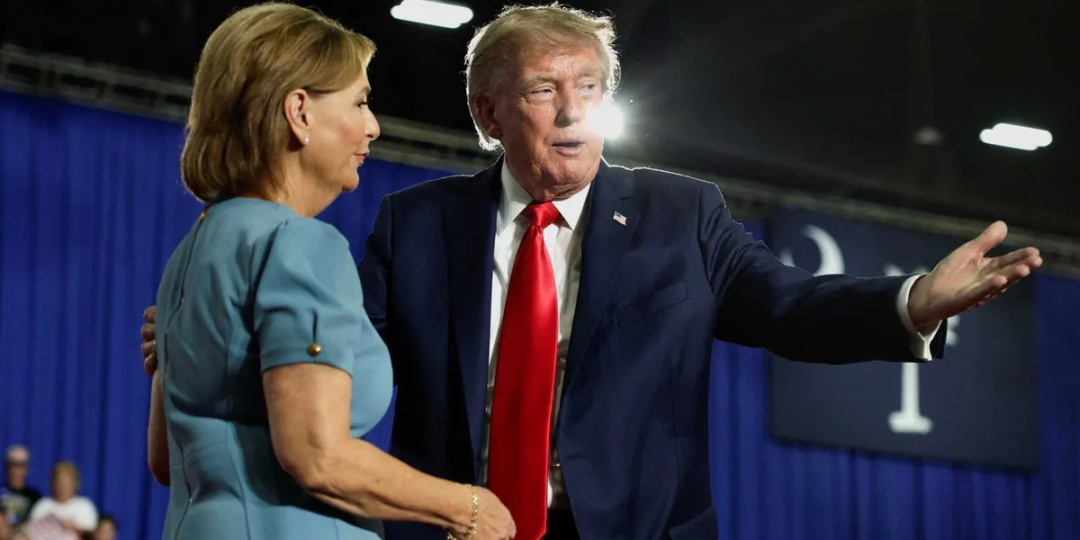
President Donald Trump is reportedly throwing caution to the wind as he gears up for a major test of his political clout within the Republican Party. As the day approaches, party insiders have expressed grave concerns, warning that failure to secure wins could spell disaster for his standing. In an unprecedented move, Trump has decided to back Senator Darline Graham of South Carolina, a candidate whose appeal is as enigmatic as the administration's logic behind the endorsement.
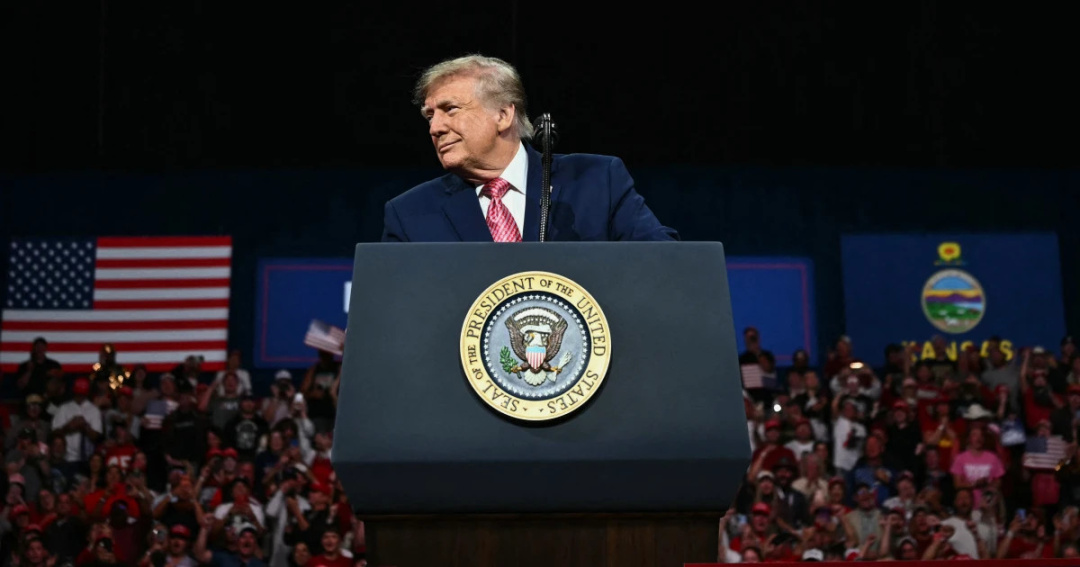
To ensure maximum impact, the President has initiated an elaborate campaign strategy that includes a series of rallies featuring oversized banners proclaiming 'Trump's Choice: The Only Choice!' This campaign trail extravaganza is expected to feature a carefully curated selection of Trump’s favorite campaign songs, likely punctuated by his own interpretations of their lyrics, to ensure the atmosphere is as confusing as it is enthusiastic.
Still Beats Watergate:
Sponsor success. Continue reading:
In an effort to quantify his influence, the administration has introduced a new performance metric: the Trump Approval Effectiveness Ratio (TAER). This groundbreaking metric will calculate the success of Trump's endorsements based on the number of campaign slogans shouted back at him during rallies. Early reports indicate that TAER may be in jeopardy as the crowd responses appear to vary wildly, with many attendees reportedly confused about the actual candidates they are supposed to support.
Compounding the concern, Trump has mandated a new compliance guideline for all campaign staff: any candidate not achieving a minimum TAER of 75% will be subjected to a mandatory 'Re-education Retreat' at one of his golf resorts, where they will learn the finer points of branding from his most loyal aides. In what many are calling a bold yet baffling strategy, Trump has also proposed that any candidate losing by a narrow margin should be granted honorary titles, such as 'Almost-Winner' or 'Runner-Up of the Year', to help cushion the blow of electoral defeat.
As the stakes continue to rise, the Trump administration is bracing for what many are calling a potential upheaval within the party. Should the results not align with the grandiose expectations set forth by the President, they might be forced to implement a new policy: the Immediate Restoration of Dignity Act, designed to help candidates save face by providing a public relations team to spin their losses into narratives of 'near success.'
In the end, no matter the outcome, officials are confident that the only thing that will truly emerge from this test will be a better understanding of just how much embarrassment a sitting president can endure before the party decides to hit the reset button on his influence.