Jeffries Meets Kushner in Secret to Discuss Bipartisan Immigration Strategies
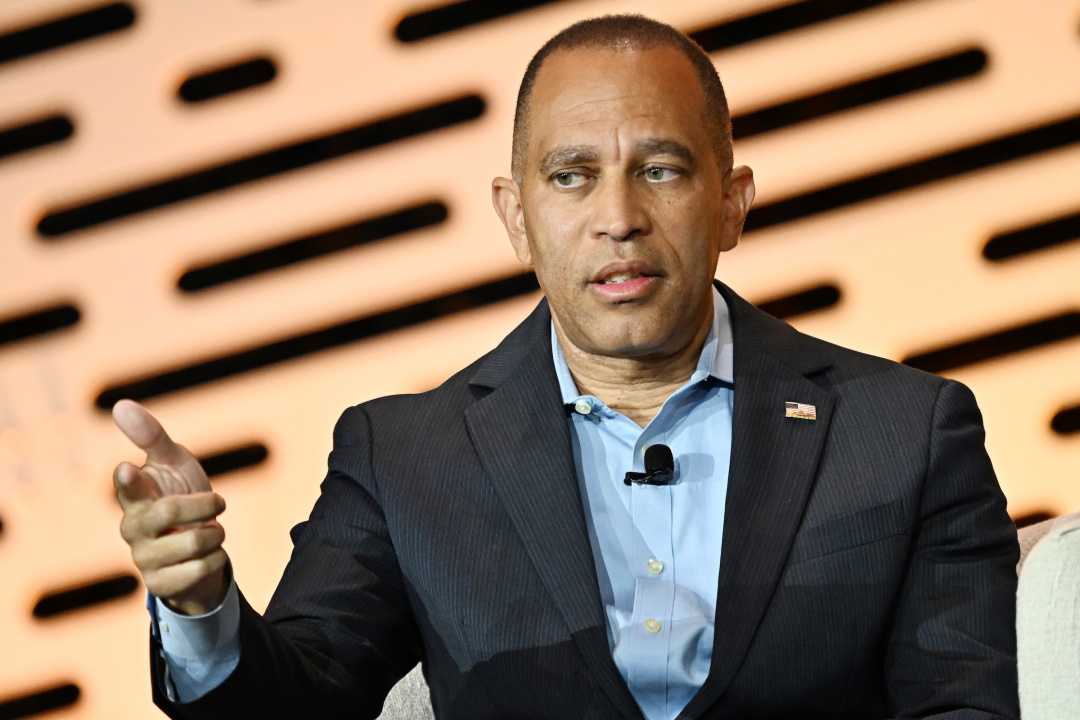
House Minority Leader Hakeem Jeffries recently conducted a secret meeting with Jared Kushner, a key figure from the former Trump administration, in an effort to forge bipartisan strategies on immigration and related issues. This clandestine gathering, held in a discreet New York City location, reflects Jeffries' acknowledgment of the shifting political landscape and his aspirations to lead the House as Democrats appear poised to regain control.
During the tête-à-tête, Jeffries and Kushner reportedly explored various topics, including the escalating housing crisis and the skyrocketing cost of living. In a move that raised eyebrows, Kushner suggested that Jeffries should connect with White House Chief of Staff Susie Wiles, further intertwining Democratic leadership with the remnants of the Trump administration. This meeting underscores the precarious balancing act Jeffries faces as he attempts to appease both centrist and progressive factions within his party.
Still Beats Watergate:
Sponsor success. Continue reading:
Despite the apparent cordiality of the discussions, details surrounding any agreements reached remain murky. The backdrop of these negotiations is fraught with urgency, particularly as the Trump administration's hardline immigration policies continue to generate fierce opposition from many Democratic voters. Jeffries finds himself in a tight spot; while he advocates for minor reforms to address the conduct of the Department of Homeland Security, he simultaneously refrains from challenging funding measures that support the very policies many in his caucus vehemently oppose.
Republican leaders, including House Speaker Mike Johnson, downplayed the significance of the meeting, asserting that Kushner's current role in the administration is more peripheral than influential. Nevertheless, the optics of Jeffries engaging with a figure so closely linked to the Trump era have not gone unnoticed, sparking backlash from progressive allies who question his commitment to their causes.
In response to mounting criticism, Jeffries publicly defended his approach, asserting that the Republican Party's extreme governance will be met with robust opposition from Democrats. He emphasized that any dialogue with the Trump administration will center on the urgency of addressing the affordability crisis and the necessity for substantial policy changes.
Yet, the irony remains palpable. Just as Jeffries condemns the Trump administration's tactics, he finds himself aligning with its former operatives, raising concerns among left-leaning members about his commitment to progressive values. As the political landscape evolves, Jeffries' efforts to navigate these treacherous waters may yield unexpected consequences, including renewed calls for leadership changes within the Democratic Party.
In a particularly telling moment during a recent NBC interview, Jeffries distanced himself from Medicare for All, a popular progressive initiative, while simultaneously championing vague notions of healthcare affordability. This stance has fueled speculation about his alignment with the more centrist elements of the party, further alienating him from the left. As the Democratic Caucus wrestles with its identity, Jeffries' strategic maneuvers will undoubtedly remain under scrutiny, especially as he seeks to balance the competing interests of a fractious coalition.