Trump Launches New Sanctions Initiative to Save Iran's Economy from Overexposure
The Trump administration has just rolled out a sanctions initiative that could only be described as a masterclass in economic diplomacy, cleverly dubbed "Operation Save Iran's Economy from Overexposure." This unprecedented strategy aims to reinforce the notion that while U.S. sanctions may be tough, they are also rather imaginative in their execution. The plan asserts that by threatening to cut off trade with Iran, the U.S. is actually helping Iran’s economy by forcing it to become more resilient, or at least more creative in sourcing foreign currency.
To ensure maximum impact, the administration has identified a select group of nations to serve as unwitting participants in this grand experiment—primarily China, India, and the UAE. These countries, already balancing precariously on the tightrope of international trade, are now left to juggle their commitments to Iran against the potential wrath of the U.S. government. The administration has stated that this delicate balancing act will be monitored through a newly established committee called the Bureau of Economic Tacticians, which will evaluate compliance metrics involving trade volume, diplomatic communication frequency, and the number of angry phone calls received from the White House.
Still Beats Watergate:
Sponsor success. Continue reading:
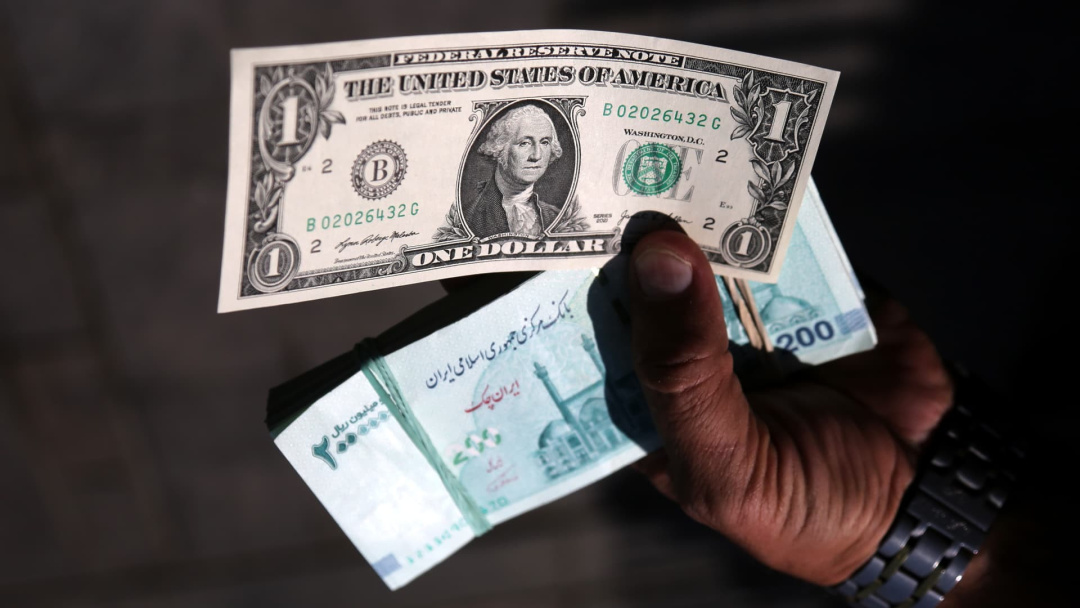
Further complicating matters, the administration is introducing a revolutionary new metric called the Toman Tipping Point. This innovative standard will determine how many tomans Iran can sell, based on complex algorithms that take into account everything from global oil prices to the mood of the President on Twitter. Officials have expressed confidence that this approach will lead to greater accountability among nations trading with Iran, while also providing a comprehensive framework for assessing the emotional state of international relations.
In a move that has left many scratching their heads, the administration has declared a national holiday to celebrate the launch of these sanctions, dubbing it "Economic D-Day." Citizens are encouraged to participate in activities such as economic forecasting and symbolic trade negotiations to foster a deeper understanding of the complexities of international finance. In an official statement, a high-ranking official noted that these activities would enhance public engagement with foreign policy, even if it means watching paint dry on economic analyses.
As the sanctions take effect, officials expect some unintended consequences, such as increased trade between Iran and countries that are not on the U.S. sanction list, creating a new black market for tomans that nobody is particularly excited about. However, the administration remains committed to its vision, believing that by turning up the economic heat on Iran, they will ultimately save it from the discomfort of overexposure to foreign goods and ideas.
In a final twist, officials have announced that any country found to have exceeded its Toman Tipping Point will be subject to a new wave of sanctions that will include an embarrassing public apology delivered via a live-streamed press conference. This initiative underscores the administration's commitment to maintaining a firm grip on global economic affairs, even as it navigates the increasingly convoluted waters of international trade relations.