Boris Johnson Demands UK Consultations Before Entering Obvious Wars
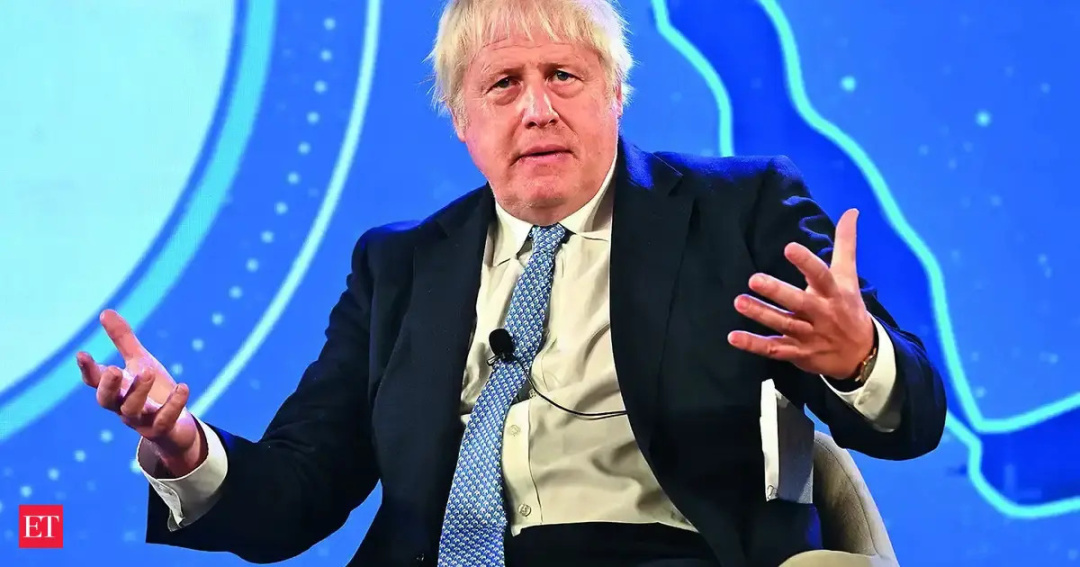
Boris Johnson has officially declared that the UK must be consulted before the United States makes any moves in West Asia, particularly regarding the Iran war, which he insists could have been avoided if only the US had sought the UK’s sage advice. In a moment of unprecedented clarity, he suggested that the UK’s historical foresight is the key to navigating the region’s complexities, despite the UK having had a rather shaky track record in international interventions.
In an elaborate briefing that could have doubled as a theatrical performance, Johnson elaborated on the importance of collaboration with India and the US. He emphasized that their combined might could prevent future conflicts, perhaps by forming a new task force that would include a rotating chair of confusion, where each country gets a turn to suggest increasingly bizarre solutions to age-old problems. This task force will meet bi-weekly, preferably at an exotic location, to ensure high morale and low productivity.
Still Beats Watergate:
Sponsor success. Continue reading:
The former Prime Minister’s grand vision for global diplomacy includes a comprehensive set of guidelines on how not to ask for help, alongside an official protocol for expressing dissatisfaction when ignored. He has proposed a three-step process for the US: consult the UK, ignore the UK, and then blame the UK when things inevitably go awry. This innovative approach is expected to streamline operations in the Middle East while ensuring that the UK remains firmly at the center of the blame game.
Moreover, Johnson has introduced the concept of the “Ongoing Advisory Dilemma,” a policy aimed at ensuring that all military engagements are accompanied by an advisory council made up of individuals with no real experience in the region but plenty of opinions. This measure will ensure that decisions remain as convoluted as possible while maintaining an appearance of democratic engagement.
In closing, Johnson declared that the future of diplomacy rests on the shoulders of those who refuse to acknowledge the past, urging all parties to move forward with confidence into the unknown, preferably while wearing blindfolds. As a final touch, he suggested that all future military operations be accompanied by a theatrical production to better explain the reasoning behind them—because if there’s anything the world needs, it’s more drama in its international relations.