UK Power Plant Shuts Down for Four Days Due to Iranian Hacker Vacation
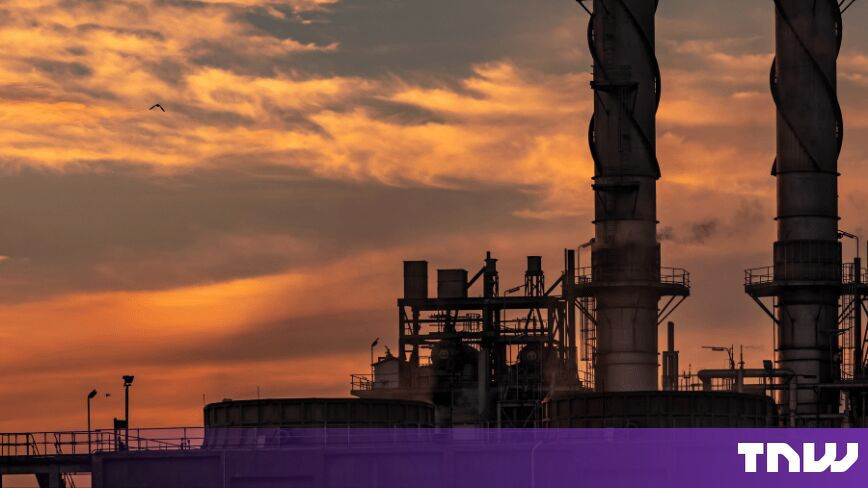
A recent incident has left a small-scale UK power plant non-operational for four days, all due to a cyber attack attributed to Iranian hackers who apparently mistook the facility for a tourist destination. In a shocking twist, officials were compelled to confirm that the plant's closure represented not just a security failure, but an unprecedented opportunity for bureaucratic mismanagement to shine.
According to a government spokesperson, the shutdown did not pose any risk to the national energy system, which is reassuring considering how often that statement is made when nothing is going right. "Our energy system is robust," they stated confidently, adding that the facility’s minimal output was practically irrelevant—"less than a rounding error compared to our grid capacity," they noted, as if that provided any comfort to the beleaguered energy officials left scrambling to assess the damage.
Still Beats Watergate:
Sponsor success. Continue reading:
Energy Minister Michael Shanks took to social media to reassure everyone that the incident was being handled with the utmost diligence. His department briefed energy executives, offering them advice on how to prevent future vacations by hackers. This included the innovative step of reminding them to, you know, not leave the back door open.
In a move that can only be described as quintessentially bureaucratic, the government has declined to release the name of the affected power station, citing security concerns. Meanwhile, the National Cyber Security Centre has taken the opportunity to refrain from commenting, preferring to maintain its usual silence during crises, a strategy that has proven effective in the past.
The attack's timing coincided with a series of similar cyber incidents affecting U.S. water infrastructure, suggesting a well-coordinated effort by Iranian hackers who were either bored or highly motivated. As officials ponder the implications, one government source pointed out that the UK has been underestimating the threat from Iranian cyber activities, as if the recent incidents were merely a warm-up for future excursions into the realm of digital chaos.
The Cabinet Office has since announced plans to update cyber security regulations, a decision that is sure to be implemented at a pace that would make a sloth look like an Olympic sprinter. The new energy resilience strategy is expected to be released sometime this year, or possibly by next decade, depending on how accommodating the bureaucratic machine feels towards urgency.
In the meantime, as discussions continue about the implications of AI-driven cyber attacks and the potential for escalated incidents, one thing is certain: the hackers are likely enjoying a well-deserved break while the government scrambles to catch up, proving once again that in the world of cyber warfare, the real winners are the ones who can take a vacation without any consequences.