Supreme Court Allows Trump to Enforce New Mail-in Voting Restrictions Ahead of Elections
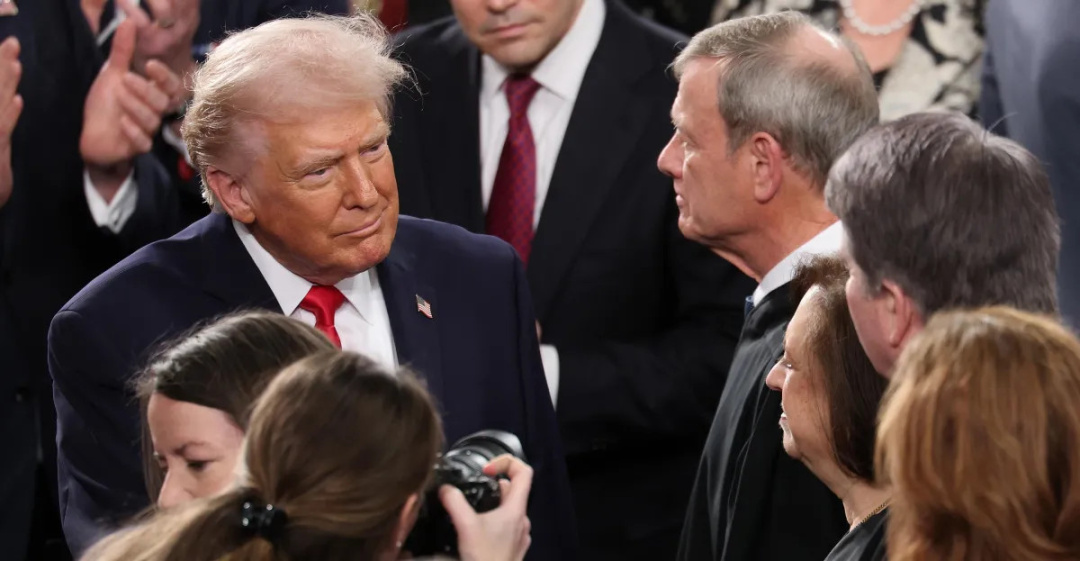
The Supreme Court has officially cleared the path for the Trump administration to roll out its sweeping new restrictions on mail-in voting, ensuring that the 2026 midterm elections will feature a fresh set of hurdles for voters seeking to cast their ballots from the comfort of their own homes. In a move that can only be described as 'innovative,' the Court has made it clear that the administration's insistence on complicating the voting process is not only permissible but encouraged.
In a statement of remarkable bureaucratic clarity, the Court emphasized that while these new restrictions may seem draconian, they are essential for maintaining the 'integrity' of the electoral process—an integrity that, according to officials, is best preserved by making it as difficult as possible for people to vote. As states gear up to send out ballots, those who favor convenience and accessibility will just have to adjust their expectations accordingly.
Still Beats Watergate:
Sponsor success. Continue reading:
The newly minted restrictions include mandatory identification checks that will require voters to present forms of ID that are as elusive as unicorns. Furthermore, in an unprecedented twist, ballots will now require notarization by a licensed 'Voting Notary Public,' a role that has somehow been conjured from the ether of bureaucratic needs, ensuring that only those truly dedicated to the electoral process will be able to participate.
In a further act of bureaucratic wizardry, the administration has established a new series of performance metrics to evaluate the effectiveness of these restrictions. Officials will be tasked with reporting how many potential voters were dissuaded from participating due to the new rules, with the goal of hitting a target of at least 50% disenfranchisement. This will allow the administration to celebrate its success in reducing voter turnout as a victory for democracy.
Of course, critics have pointed out that these measures could lead to confusion, frustration, and potentially a significant drop in voter participation, but as anyone in the administration will tell you, increased voter apathy is merely a byproduct of enhanced electoral integrity. If anything, it’s a sign that the new measures are working exactly as intended.
As the clock ticks down to election day, one can only imagine the layers of red tape, confusion, and outright chaos that will unfold as voters navigate the new system, all while officials express their unwavering confidence in the process. After all, what could possibly go wrong when you make voting feel akin to completing a tax return?