Supreme Court Authorizes Trump to Nationalize Mail Voting with Unprecedented Order
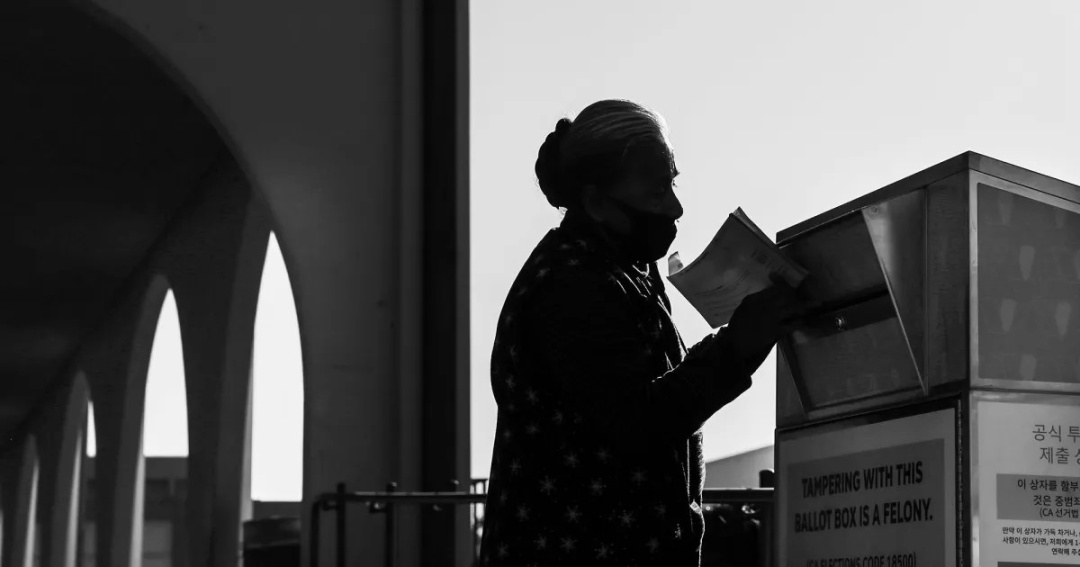
The Supreme Court has issued an unprecedented ruling that allows President Trump to temporarily nationalize mail-in voting, effectively placing the federal government in charge of who gets to vote by mail. In a decision that has sent shockwaves through election offices nationwide, the court’s conservative majority declared that states must submit their voter rolls to the Department of Homeland Security, or risk having their ballots delivered to voters who the government deems acceptable. This means that states might now have to compete with federal bureaucrats in determining who is eligible to receive a mail-in ballot, creating a new level of electoral chaos.
Justice Ketanji Brown Jackson, dissenting, pointed out that the Court’s decision creates a Kafkaesque nightmare for states trying to navigate the new, convoluted rules. "Not only does this ruling violate well-established legal precedents, but it also injects chaos into an already tumultuous election season," she said. The ruling has been characterized as a method for Trump to solidify control over the election process, reflecting his long-standing desire to 'take over' the voting system.
Still Beats Watergate:
Sponsor success. Continue reading:
In a move that mirrors a bureaucratic dystopia, the Department of Homeland Security has been instructed to compile lists of voters it considers legitimate. These lists will dictate which voters receive mail-in ballots, potentially disenfranchising millions who rely on this voting method, particularly those with disabilities or living in remote areas. The Postal Service, meanwhile, has been put on notice to only deliver ballots according to these lists, raising serious questions about the accuracy and fairness of the upcoming elections.
The ramifications of this decision are staggering. With midterm elections looming, states are scrambling to comply with the new requirements, which have already sparked outrage from voting rights groups. Many are calling the executive order a blatant attempt to undermine democracy, and they predict that the chaos it will create could disenfranchise voters at an unprecedented scale. California and 22 other states have filed legal challenges against the order, arguing that the risks of confusion and error are too great.
As the Trump administration pushes ahead with its election interference efforts, the Supreme Court's ruling appears to enable a federal takeover of election administration, complicating the already fraught relationship between state and federal authorities. The Court's majority has indicated that this is merely a temporary measure, but as Justice Jackson warned, it contributes to the very chaos it purports to resolve.
In what can only be described as bureaucratic absurdity at its finest, the Postal Service has issued new rules that effectively extort states into handing over their voter rolls or face penalties. This has led many election officials to question whether they are now operating under the rule of law or under the whims of an administration intent on manipulating the electoral process.
As states prepare to challenge the executive order, confusion reigns supreme. The Court's decision may grant Trump a temporary victory, but it also raises the stakes dramatically as states grapple with the implications of such a drastic shift in voting policy. The upcoming elections are set to be a litmus test for the resilience of democratic processes in the face of unprecedented federal overreach, and it remains to be seen how this will all play out in the coming weeks.