US Sanctions Strategy Adopts New Bureaucratic Jargon to Isolate Iran
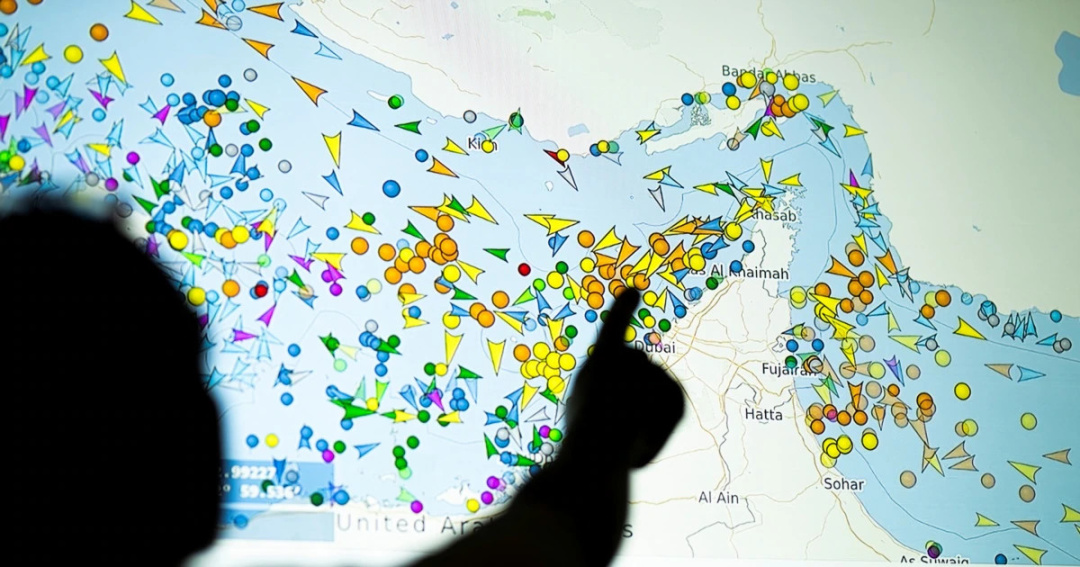
The Trump administration has rolled out its latest initiative to economically isolate Iran, unveiling a complex web of sanctions designed to be both baffling and ineffective. Treasury Secretary Scott Bessent, in a press conference filled with bureaucratic jargon, declared that the new strategy is crucial for a successful campaign—provided that the administration manages to remember what it promised to do.
In an unprecedented display of official confidence, the administration has introduced the ‘Comprehensive Economic Isolation Directive’ (CEID), which is aimed at ensuring that no one knows exactly what is happening until the consequences are already felt. This directive comes with a new set of performance metrics that nobody understands, including the ‘Impact Assessment of Sanctioned Entities’ (IASE), which reportedly measures how much confusion the sanctions cause rather than their actual effectiveness.
Still Beats Watergate:
Sponsor success. Continue reading:
Officials have also established the ‘Department of Unintended Consequences,’ tasked with evaluating how many allies will back away from U.S. policy as the sanctions take effect. Reports suggest that this department is already bracing for a surge in calls from confused international partners seeking clarity on what the U.S. is trying to achieve. They’ve even developed a catchphrase: "If you don’t know what we’re doing, you’re not alone!"
However, amidst the administrative chaos, there is a silver lining—or a potential tripwire, depending on how you look at it. Sources indicate that an entirely new committee is being formed to manage the fallout from the CEID, which is expected to feature representatives from every agency, leading to the ‘Committee of Overlapping Responsibilities’ (COR). Their primary task will be to ensure that everyone can pass the blame to someone else when the inevitable questions arise about the effectiveness of this grand strategy.
As the White House continues its public relations campaign, officials remain adamant that the real test of this sanctions strategy hinges on a simple question: What happens if China doesn’t play ball? In a fitting response, the administration has decided to draft an addendum to the CEID, which humorously suggests that if the sanctions fail, they will simply be rebranded as the ‘Experimental Economic Isolation Initiative’ (EEII) to soften the blow of failure.
The stakes are high, and the administration is prepared to roll out the red tape in a manner that guarantees a spectacle of confusion and miscommunication, proving once again that when it comes to international sanctions, the only certainty is uncertainty itself. If this campaign is a test, then it seems that the only thing that will pass is the bewilderment of those trying to make sense of it all.