Scott Bessent Announces Toughest Sanctions in History Against Iran
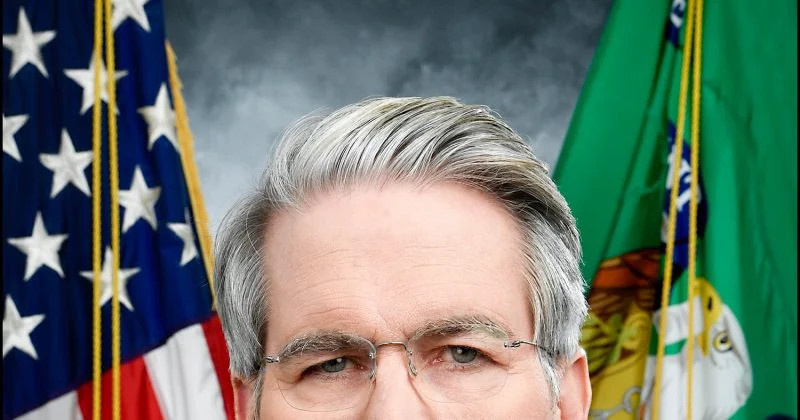
US Treasury Secretary Scott Bessent is preparing to unveil what he confidently declares as the "toughest sanctions in history" against Iran, a bold economic maneuver that threatens to sever Tehran's last remaining economic lifelines. This highly anticipated announcement, scheduled for August 24, 2026, at 2 p.m. ET, is poised to redefine the landscape of international commerce and diplomacy, particularly with China, which has been warned it could face severe penalties for its ongoing trade with Iran.
The sanctions package, which Bessent asserts goes well beyond the traditional sanctions playbook, will be complemented by an ongoing naval blockade in the Strait of Hormuz. This narrow waterway, a crucial artery for global oil supply, has now become the focal point of what the administration dubs an "economic D-Day" against Iran and any country daring to maintain business ties with the regime.
Still Beats Watergate:
Sponsor success. Continue reading:
President Trump has endorsed this aggressive strategy, framing it as part of a comprehensive campaign against Iran that escalates from mere diplomatic warnings to full-blown economic warfare. The message is clear: nations must choose between access to the lucrative US financial system and continued trade with Iranian crude.
As the US-Iran standoff stretches on, Washington's approach has taken a turn towards unprecedented economic confrontation. The sanctions, likened to telling your friends they can't associate with someone you disapprove of, carry the implicit threat of exclusion from the dollar-based financial system for those who ignore the warning.
The immediate market impact is expected to be felt in oil prices, with analysts predicting that any successful curtailment of Iranian oil exports—especially those destined for Chinese refineries—could significantly tighten global supply. However, the real wildcard remains China's response. If Beijing decides to quietly reduce its purchases of Iranian crude to avoid US penalties, the implications could ripple through the global economy.
On the other hand, should China opt to maintain its import levels, the situation could escalate into a full-blown economic confrontation between the US and China, transforming the sanctions from a mere Iran issue into a significant geopolitical crisis.
Meanwhile, Iran, known for its engagement in Bitcoin mining as a method of generating revenue outside traditional banking, may see tighter sanctions push both state and private actors further into the digital currency realm as they seek to navigate the increasingly complex economic landscape. The impending sanctions package not only aims to isolate Iran but also reflects a broader shift in US foreign policy that prioritizes economic measures as the primary tool of diplomacy, leaving military options as mere backup plans.
In a move that is both ironic and absurd, Bessent's team has reportedly developed a comprehensive compliance guide for countries navigating the tumultuous waters of international trade, detailing how to avoid the pitfalls of doing business with Iran while maintaining a delicate balance with US interests. The guide, titled "Navigating Sanctions: A Guide to Financial Survival in the Age of Economic Warfare," will be distributed alongside the sanctions announcement, ensuring that everyone is on the same page—assuming they can read the fine print, of course.