Zelensky Launches Wartime Task Force to Address 'Questions' on Corruption Amidst Election Fears
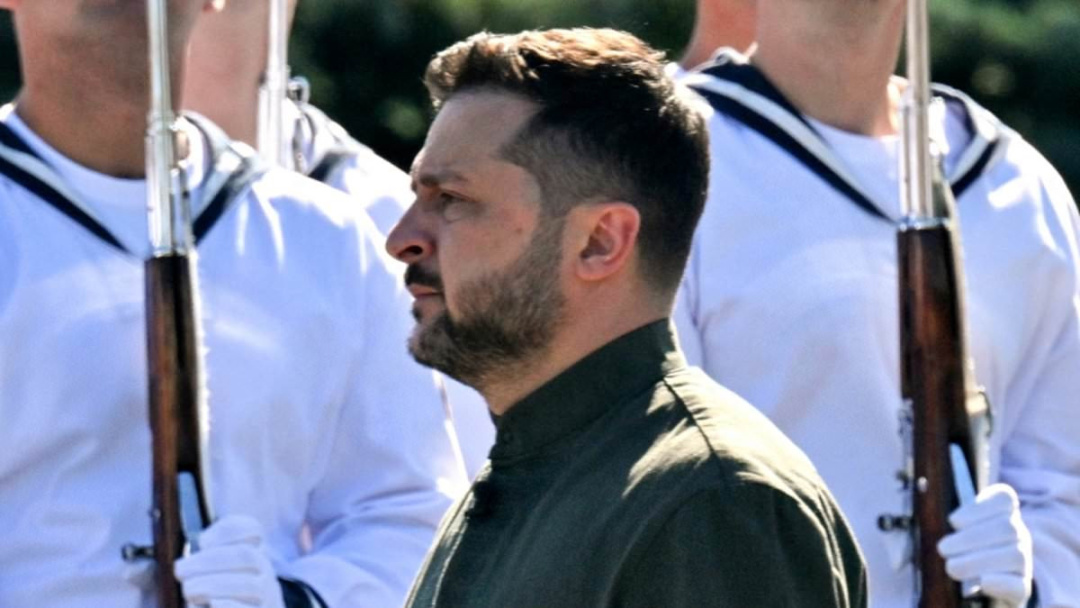
Ukrainian President Volodymyr Zelensky has announced the formation of a new task force to tackle the pressing issue of corruption within his government, following pointed accusations from Mykhailo Fedorov, the recently sacked defense minister. Fedorov, known for revolutionizing drone warfare, stated that Zelensky has 'questions to answer,' prompting a flurry of bureaucratic activity in the presidential corridors of power.
In an unprecedented move, the task force will be comprised of various committees, including the newly minted Office of Inquisition and Transparency, which will oversee a comprehensive review of all aides, advisors, and coffee-fetchers within a ten-meter radius of the president. According to a leaked internal memo, the office aims to create an accountability index that rates government officials based on their ability to avoid criminal investigation, with a special focus on those who can provide plausible deniability in high-stakes situations.
Still Beats Watergate:
Sponsor success. Continue reading:
As the task force gears up for its first meeting, officials have emphasized the importance of transparency in the face of mounting scrutiny. A comprehensive report is expected to be released weekly, detailing not only the findings of the task force but also how many election promises have been successfully ignored in the process. Early estimates suggest that Zelensky's administration may have to address a staggering number of 'questions'—a term defined by the new executive order as any inquiry that might lead to uncomfortable truths.
In a show of solidarity, Zelensky's team has reassured the public that elections scheduled during wartime will not be disrupted. However, internal sources reveal that the president has expressed concerns that these elections could exacerbate divisions within the country, leading to what some officials are calling a 'democracy fracture.' In response, the task force is set to implement a new protocol for managing dissenting opinions, which includes a mandatory seminar on the art of selective listening.
The administration's commitment to addressing corruption while simultaneously campaigning for votes has raised eyebrows among political analysts, who speculate this dual approach may lead to higher stakes than previously anticipated. With the elections looming, the task force's effectiveness will be measured not just in transparency, but in its ability to navigate the political minefield of public perception without losing any limbs along the way.
In a final twist, Zelensky has hinted at the possibility of enacting a new law that would allow him to appoint a Chief Distraction Officer, tasked with diverting public attention away from corruption allegations while ensuring that the illusion of accountability remains intact. As this bureaucratic circus unfolds, the world watches with bated breath to see how long it will take before the next scandal erupts, sending the task force into a tailspin of reassessments and rebranding campaigns.