Trump Escalates 'D-Day' Economic War on Iran with Plans for Enhanced Sanctions
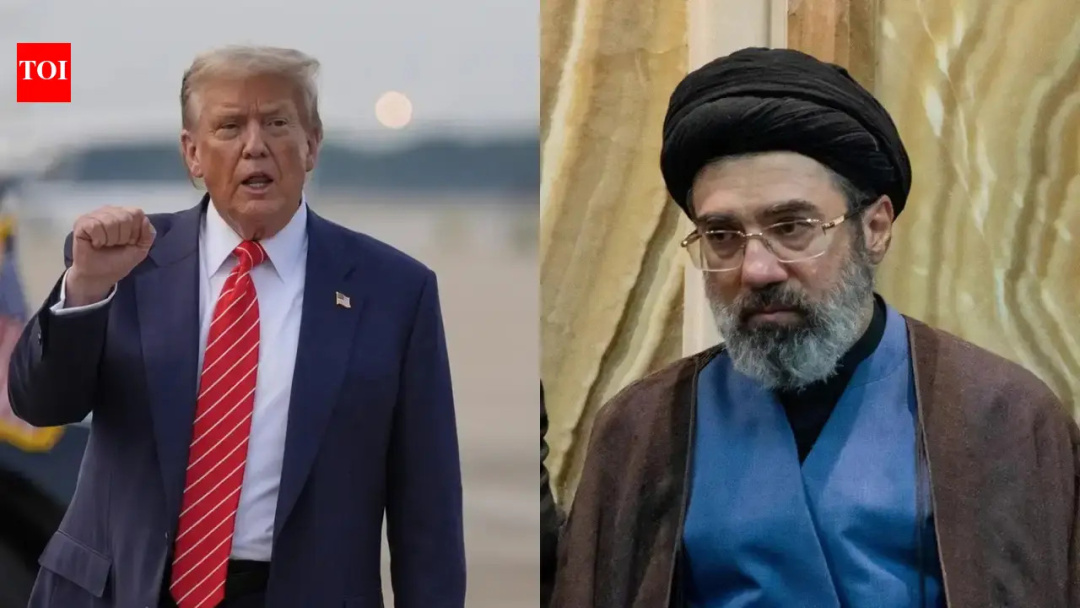
President Trump has launched what he is calling a 'D-Day' economic offensive against Iran, signaling a new phase in his administration's campaign that involves the imminent threat of sanctions that even the most optimistic bureaucrats are dubbing "super-duper tough." Not to be outdone by any previous efforts of economic isolation, the latest strategy is designed to tighten the screws on Tehran until it reluctantly agrees to terms that are still shrouded in mystery.
In a move that has experts scratching their heads, Trump has claimed the Strait of Hormuz as effectively U.S. territory, suggesting a naval blockade that would make even the most hardened pirates nod in approval. The president has hinted at declaring the strait American property, a statement that has sent waves of concern rippling through Gulf states already caught in the crossfire of economic pressure and Tehran's military posturing.
Still Beats Watergate:
Sponsor success. Continue reading:
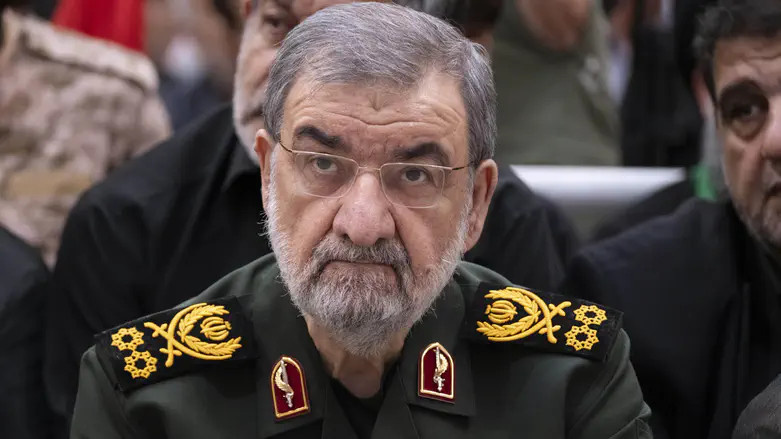
The newly appointed head of Iran's Supreme National Security Council, Mohsen Rezaei, wasted no time in proclaiming that any economic war launched by the U.S. would be met with a seismic response. "If Trump wants to do something, we will retaliate in a seismic manner," he announced, as if seismic responses were part of a governmental checklist for diplomatic relations. This rhetoric has left Gulf states sweating bullets, pondering whether they should fortify their oil facilities or invest in a more robust panic room.
The proposed sanctions could target not just Iran but also its trading partners, including major players like China and India. The U.S. strategy seems reminiscent of a high-stakes poker game where the stakes are not just oil prices but the very stability of the region. Meanwhile, Gulf producers are left to wonder if they should start crafting their own sanctions against the U.S. for making them the unwilling pawns in this geopolitical chess match.
As the rhetoric escalates, so too do the potential consequences. Iran has demonstrated its capability to disrupt regional trade through drones and missiles, and any escalation could see oil routes and critical infrastructure under threat. The mere suggestion of military action has left Gulf states feeling like they are walking a tightrope over a pit of alligators, unsure whether to step forward or retreat.
In a final twist of irony, while Iran grapples with soaring inflation and economic contractions, it appears that the pain of sanctions is not translating into capitulation. Instead, Iranian officials are advocating for a strategic pivot, insisting that breaking free from the stalemate of "neither war nor peace" is the only way forward. As the situation develops, one thing is clear: the Gulf states may need to invest in both contingency plans and a strong dose of optimism to navigate this evolving crisis.