Iran Declares Oil Export Lockdown if Neighbors Join US Sanctions
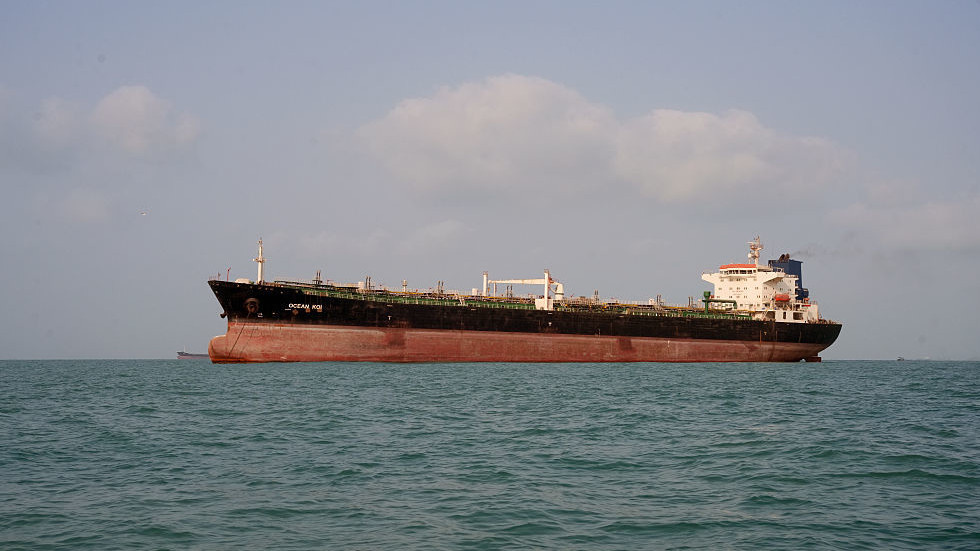
Iran has unambiguously declared that not a single drop of oil will leave the Persian Gulf if its neighbors decide to comply with the United States in what officials are calling an unprecedented economic war. In an official statement that could only be described as a bureaucratic manifesto of defiance, Iranian leaders have threatened to target any alternative routes that might be used for oil exports, insisting that compliance with American demands will be treated as an act of aggression.
As part of this newly minted policy directive, Mohsen Rezaei, head of Iran's Supreme National Security Council, has indicated that any neighboring state that dares to join forces with the Americans will find itself on the receiving end of what Iran will euphemistically refer to as "seismic consequences." Rezaei’s comments, delivered with the gravitas of a seasoned bureaucrat, suggest that the consequences could be as monumental as they are vague.
Still Beats Watergate:
Sponsor success. Continue reading:
This policy announcement comes on the heels of US Treasury Secretary Scott Bessent’s rallying cry for allies to take sides in what he calls the "greatest coordinated economic isolation in the history of the world." Tehran, however, appears unfazed, countering that their own plans for oil export lockdown are far more comprehensive than anything Washington could devise. Indeed, the Iranian administration seems to possess a level of confidence usually reserved for those who have just rolled out a brand new, absurdly complex regulatory framework.
In a move that can only be described as innovative, Iran has also proposed a new performance metric for its oil exports: the number of drops successfully prevented from leaving the Gulf. This metric will be monitored by an elite committee of bureaucrats, who will meet regularly to evaluate the results of their lockdown efforts against the backdrop of an ever-looming economic threat.
In a particularly bold bureaucratic flourish, the Iranian government has vowed to redefine their relationship with neighboring countries, categorizing them as either allies or enemies based on their adherence to these oil export guidelines. Tehran has made it clear that if any nation chooses to cooperate with the US, it will face consequences that are still being finalized in a series of high-level meetings where the coffee is as strong as the rhetoric.
As the situation unfolds, one can only wonder what further layers of absurdity will emerge from this geopolitical standoff. With each passing day, the stakes seem to rise, and the bureaucratic language grows ever more elaborate, leaving observers to ponder whether the real threat is the oil itself or the convoluted policies being spun from it. The Iranian government remains steadfast in its commitment to ensuring that not a single drop escapes its grasp, while the world watches, bemused by the spectacle of such profound seriousness over a commodity that has become the focal point of such absurdity.