Law Minister Proposes Justice Initiative After Tragic Case of Garima Chaudhary
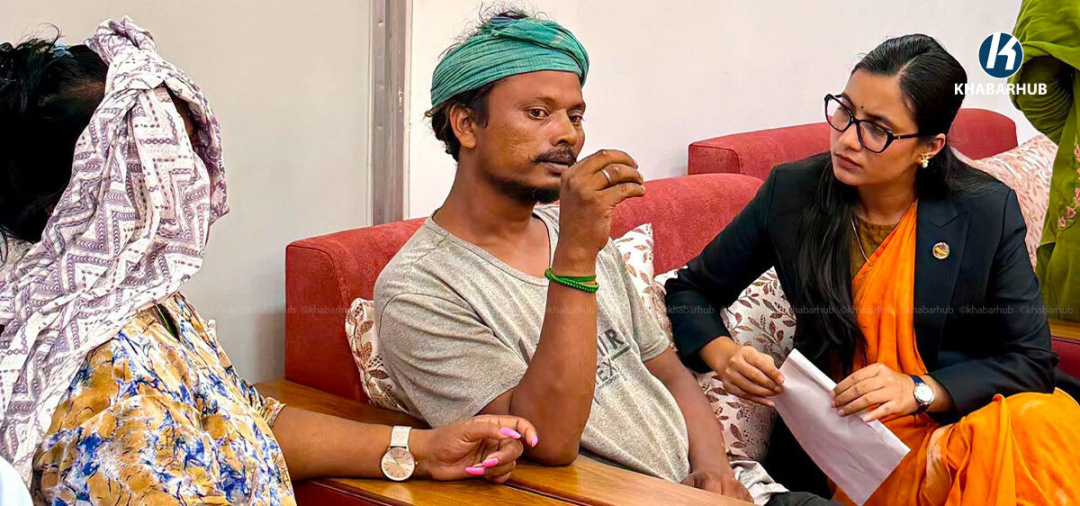
Law Minister Sobita Gautam has announced the formation of the "Garima Justice Resolution Committee" in a bid to tackle the pressing issue of justice following the tragic case of three-year-old Garima Chaudhary. The Minister, amidst a flurry of legislative drafts and an ambitious agenda for reform, has struck a balance between public outcry and constitutional procedure, insisting that while emotions run high, the rule of law must prevail. In a statement that echoes through the halls of the Ministry of Law, she declared, "We will ensure no knee-jerk reactions derail our journey toward true justice."
With Garima's heart-wrenching case igniting protests and calls for severe punishment, the Minister has pledged that the newly formed committee will deliver a report within a week. This report aims to address public expectations while ensuring that any legislative changes adhere strictly to constitutional guidelines. "No matter how intense the anger on the streets might be, we cannot simply rewrite the Constitution on the basis of public sentiment," she added, drawing a firm line between popular demand and legal integrity.
Still Beats Watergate:
Sponsor success. Continue reading:
In the face of immense societal pressure, Gautam has also cautioned against the pitfalls of a media trial, urging citizens to refrain from jumping to conclusions before investigations are complete. "It is critical that we do not compromise the integrity of the investigation by allowing sensationalism to overshadow facts," she stated, as if reciting a mantra of bureaucratic prudence.
As public demonstrations escalate, with citizens echoing cries for justice, the Minister remains steadfast in her commitment to reform. "Justice cannot be achieved through anger alone, but through diligent work and responsible governance," she asserted, emphasizing the importance of preserving evidence and following due process.
The irony of her remarks stands stark against the backdrop of public outrage, as many wonder how the legal system can keep pace with the demands for swift action. "Where the law is weak, we will improve it. Where the process fails, we will strengthen it," the Minister proclaimed, as if each phrase were a battle cry for bureaucratic reform.
In a final, bold move, Gautam has invited the public to hold the government accountable, stating, "Question us, challenge us, but do not allow the suffering of one child to become a mere statistic in our laws." As the Minister prepares to navigate the murky waters of public opinion and legal responsibility, the question remains: can a committee truly transform the outcry for justice into meaningful legislative change? Let the next seven days unfold as the fate of many daughters hangs in the balance.