Parliament Awaits Closure as Women’s Reservation Bill Hopes Hang in Limbo
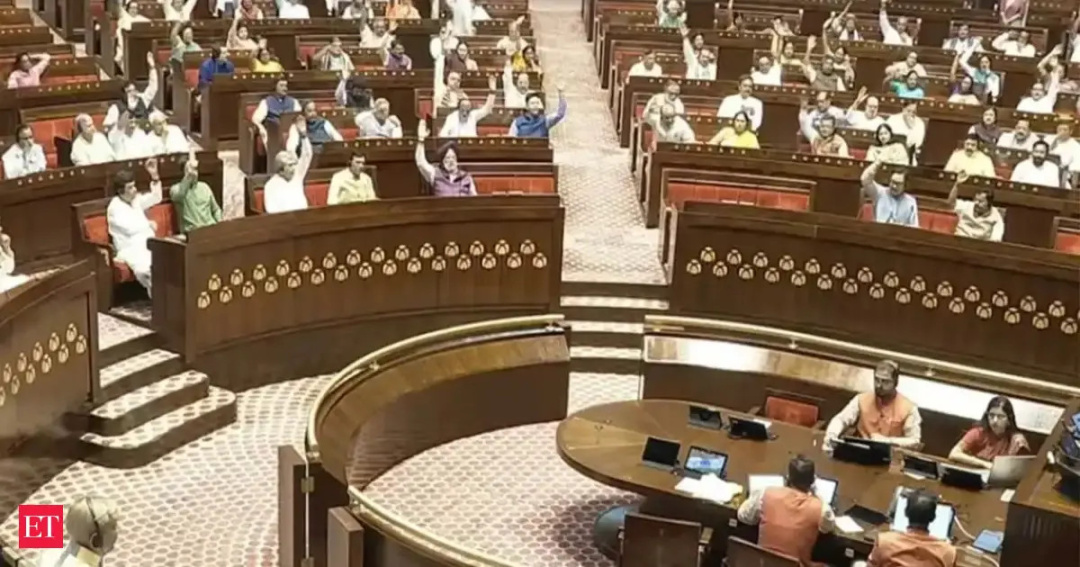
Parliament's Monsoon session has entered a strange limbo, remaining officially open ten days after its adjournment. This unprecedented delay has triggered a flurry of speculation about the government's intentions, leading many to wonder if they are preparing to perform legislative acrobatics to pass a vital women's reservation bill without the hassle of convening a new session. The bill, which aims to implement the law before the 2029 elections, has quickly transformed from a legislative priority into a bureaucratic riddle wrapped in an enigma.
In a move that can only be described as administrative ingenuity, the government has begun drafting a series of new procedural guidelines to facilitate this legislative sleight of hand. According to sources deep within the legislative bureaucracy, these guidelines will allow ministers to submit motions via interpretive dance, ensuring that no one actually needs to be in the same room to vote. This method, dubbed ‘Remote Resolutions,’ is expected to streamline the process, allowing officials to express their ‘yes’ or ‘no’ through vigorous arm waving and interpretive hand signals.
Still Beats Watergate:
Sponsor success. Continue reading:
Furthermore, the Parliament has set up a special committee tasked with evaluating the effectiveness of this new approach to governance. This committee will use metrics such as ‘number of motions passed while the session is technically adjourned’ and ‘citizen confusion index’ to assess success. Early reports suggest that confusion is already at an all-time high, with citizens unsure whether they should be celebrating the passage of laws or simply bewildered by the circus of legislative maneuverings.
As for the opposition, they are reportedly preparing their own counter-moves, including a plan to stage protest performances that will involve chanting, dancing, and possibly confetti cannons in an effort to draw attention to their concerns about the legislative process. This strategy is said to be based on the belief that if the government can perform legislative stunts, so can they.
In a final twist, sources close to the administration hint that if the women’s reservation bill doesn’t pass by the end of the open session, the government may resort to the ultimate bureaucratic trick: declaring the bill ‘zombie legislation’—alive but effectively dead—allowing it to linger indefinitely in parliamentary purgatory until the next election cycle. Thus, the fate of crucial legislation hangs in the balance, leaving many to ponder whether the real winners here are the bureaucrats perfecting their interpretive dance skills or the women this bill is meant to support.