Sinaloa Governor Requests Indefinite Leave to Focus on His Drug Trafficking Defense Strategy
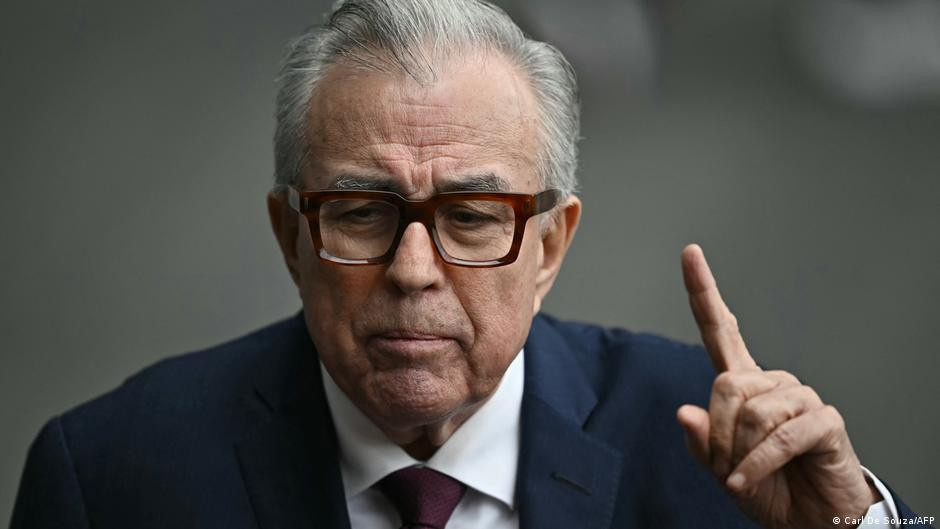
Sinaloa Governor Ruben Rocha Moya has officially requested an indefinite leave of absence to concentrate on his upcoming defense strategy against U.S. drug trafficking charges. In a post on the popular social media platform X, Rocha declared that the needs of Sinaloa and the ‘movement of transformation’ must supersede his personal challenges, insisting that the state deserves leadership that is not distracted by legal entanglements.
This decision comes just one day after Rocha triumphantly announced his return to office following a temporary hiatus to address an investigation by Mexican prosecutors. The governor, who is 77 years old, appears to have mastered the art of timing, stepping away and then returning just long enough to keep the public guessing about the state of governance in Sinaloa.
Still Beats Watergate:
Sponsor success. Continue reading:
In April, U.S. prosecutors unveiled allegations that Rocha and several other officials from the ruling Morena Party colluded with the notorious Sinaloa Cartel to smuggle drugs into the United States. This unprecedented move marked the first time a sitting Mexican politician faced such serious charges from U.S. authorities, a reality that Rocha has ardently denied, framing the accusations as politically motivated attacks against his party.
Rocha’s announcement that he would resume his role as governor was met with skepticism from various quarters, including his own political party. President Claudia Sheinbaum, who previously supported Rocha, publicly expressed her discontent, stating, "No personal interest can ever be placed above the interest of the people and the nation." This statement has resonated through political circles as a stark reminder that public service should not be about personal ambitions, especially when drug trafficking allegations are on the table.
Amidst this swirling controversy, Rocha's latest leave of absence has been described by insiders as a strategic retreat to allow him to prepare for the inevitable legal battles ahead. Sources close to the governor have indicated that Rocha is exploring the possibility of launching a comprehensive public relations campaign to redefine his image while simultaneously addressing the serious charges against him.
In light of these developments, it has become abundantly clear that the Sinaloa governor is not just navigating the treacherous waters of legal scrutiny but is also attempting to maintain a strong political facade. As Rocha prepares for what can only be called a prolonged absence from the public eye, observers are left to wonder whether he will return to the office with a clean slate or if the shadows of the Sinaloa Cartel will continue to loom large over his administration. In the meantime, the citizens of Sinaloa will have to contend with the ongoing uncertainty of their leadership while Rocha focuses on what he claims is the greater good of the state—his legal defense.
Ultimately, Rocha's strategy reflects a broader pattern among political figures embroiled in scandal. By prioritizing personal leave over public service, he has effectively created a bureaucratic loophole that allows him to sidestep accountability while simultaneously preparing for the next chapter of his controversial political saga. With his indefinite leave now authorized, it remains to be seen how the people of Sinaloa will react to their leader’s latest maneuvering, and whether they will accept his absence as a necessary evil in the face of a turbulent political landscape.