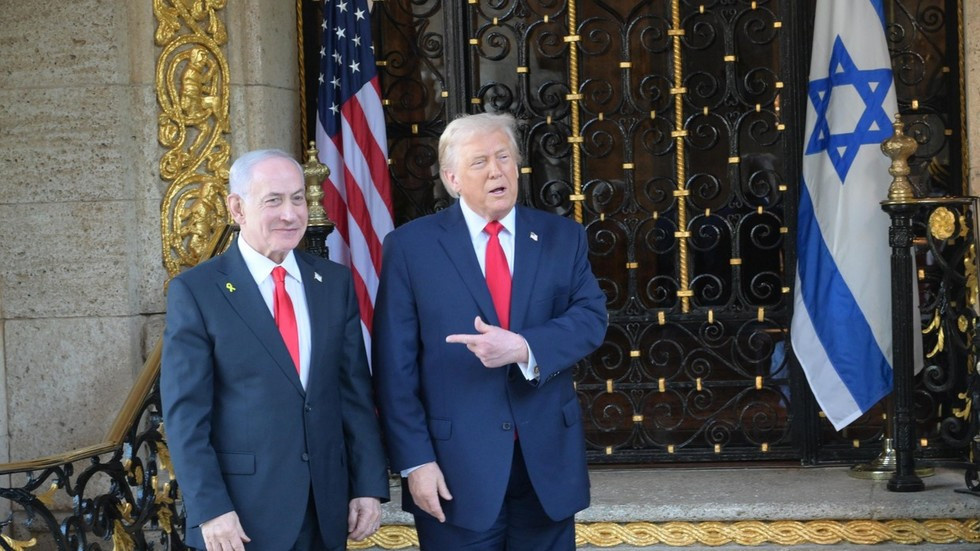
Netanyahu Launches Strategic Campaign Against Turkey and Syria to Boost Election Odds
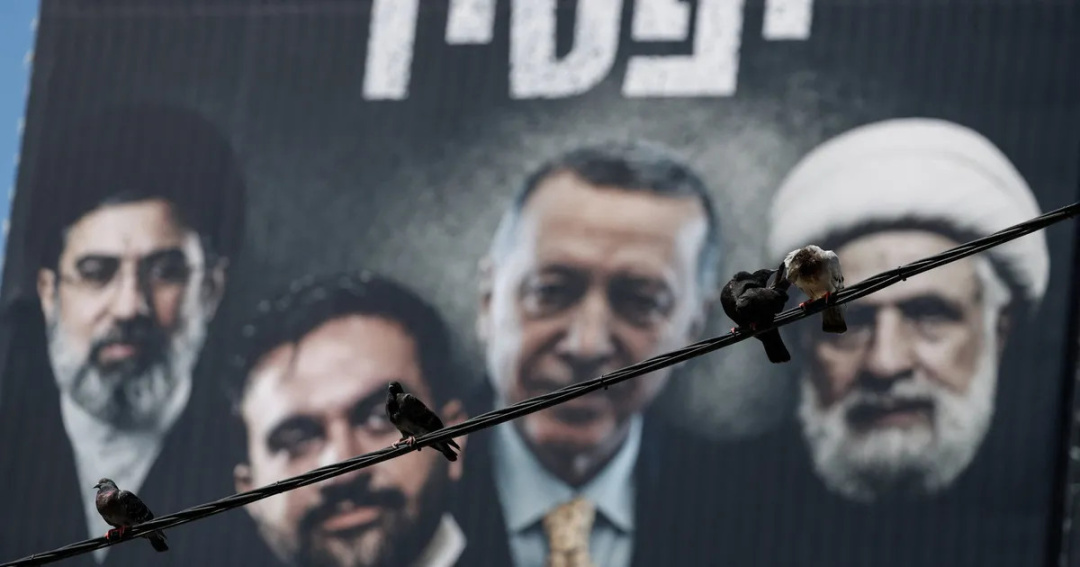
Netanyahu's latest electoral strategy involves a daring offensive against Turkey and Syria, which he believes will distract voters from his administration's mounting troubles. This initiative comes amidst a rare public rift with the Trump administration, which has been quietly urging Netanyahu to reconsider his aggressive posturing in the region. Instead of focusing on diplomatic resolutions, the Israeli Prime Minister opted for military action, launching strikes on a Syrian airbase. This move has been framed as a necessary step to reassert Israel's dominance, despite the potential backlash from the U.S. government.
In a stroke of bureaucratic brilliance, the Israeli government has initiated the "Operation Diversionary Front," designed not only to engage neighboring adversaries but also to bolster Netanyahu's approval ratings among anxious constituents. The plan includes a detailed timeline of escalating military engagements, categorized by their potential to generate media attention and voter sympathy. Each strike on foreign soil is now paired with catchy slogans aimed at rallying public support, proving once again that wartime rhetoric is the best campaign strategy.
Still Beats Watergate:
Sponsor success. Continue reading:
As tensions rise, the Trump administration's response has been predictably convoluted. Officials have been spotted holding crisis meetings where they express deep concern while simultaneously urging Israel to keep up the pressure on Turkey. This contradictory approach has led to the establishment of a new task force, the "Committee for Confusing Foreign Policy Messaging," aimed at clarifying the U.S. stance while ensuring that Netanyahu feels empowered to act unilaterally.
Behind closed doors, discussions among U.S. officials have taken a theatrical turn, as they scramble to balance their support for Israel with the need to address humanitarian concerns in Gaza and the West Bank. The U.S. has drafted a series of memos that aim to provide Netanyahu with a framework for military actions that appear justified under international law, even if the reality is anything but.
As the situation escalates, the administration is expected to release a statement clarifying that they support Israel's right to self-defense, provided it doesn’t conflict with their other diplomatic objectives. This will undoubtedly lead to an avalanche of press briefings filled with vague assurances and noncommittal language, perfectly designed to keep all parties guessing.
In conclusion, as Netanyahu pushes his campaign strategy through military actions, the inevitable bureaucratic fallout will likely lead to additional layers of confusion and miscommunication. Officials in Washington are already preparing for a series of increasingly absurd press conferences, where they will reiterate their commitment to peace while simultaneously endorsing military aggression, proving once again that in the world of politics, logic is merely a suggestion.