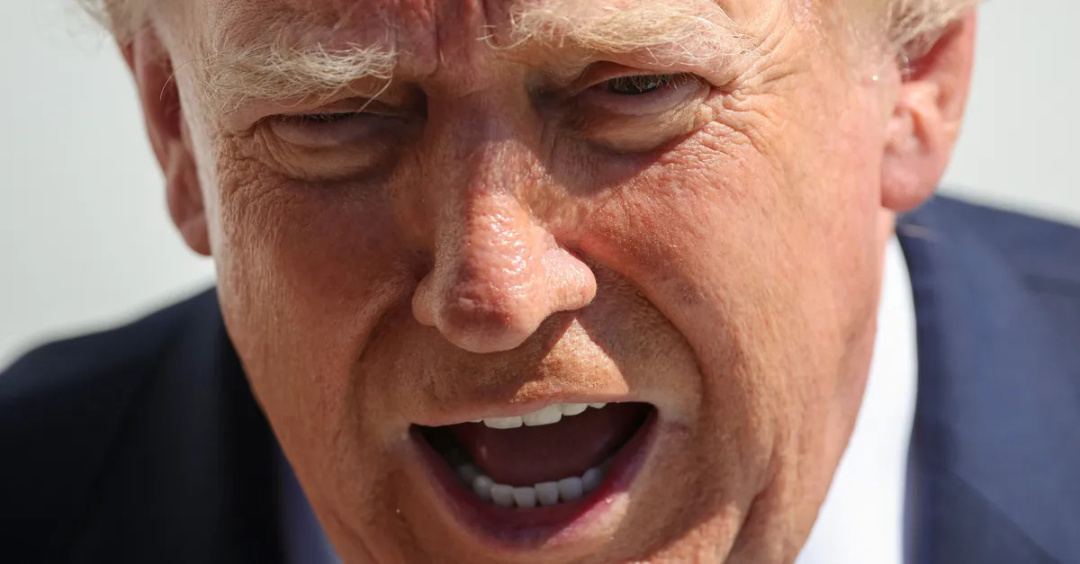
Trump's 1987 Moscow Visit Revealed as Strategic Campaign Photo Op
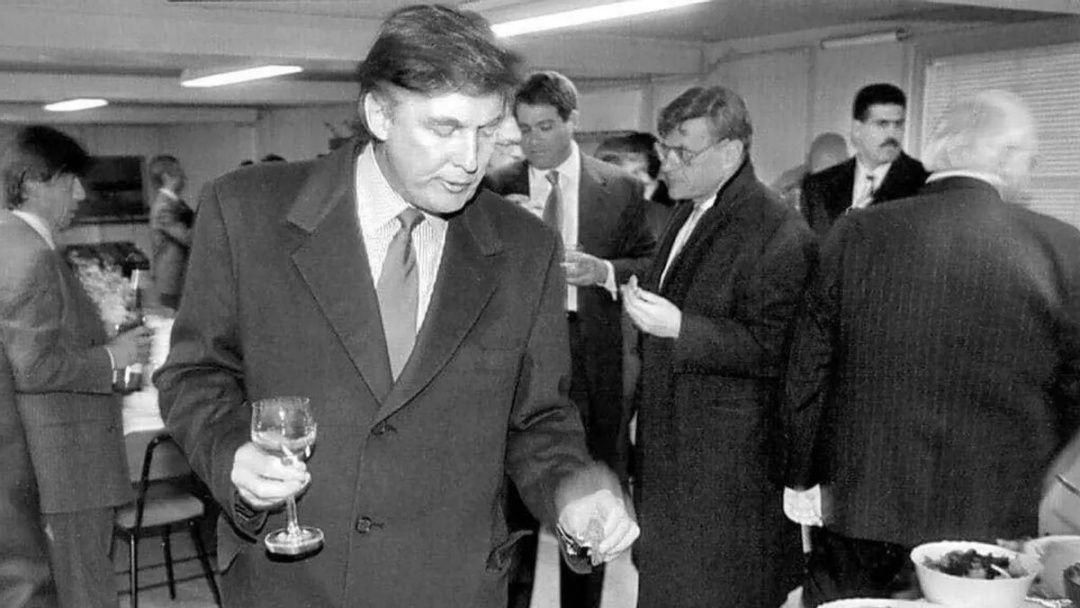
The latest photograph of U.S. President Donald Trump in Moscow from 1987 has been unearthed, purportedly taken at the invitation of Yuri Dubinin, the Soviet ambassador to the United States. The image, which surfaced amidst growing discussions about Trump's ties to Russia, has led the administration to launch a new initiative aimed at rebranding historical visits as strategic campaign photo ops. Officials state this program, dubbed 'Operation Retroactive Relevance,' is designed to enhance the narrative of Trump's long-standing global appeal, particularly among older voters who might remember the Cold War era fondly.
In a bureaucratic twist that only a government can muster, the Department of Historical Justifications is now tasked with compiling a comprehensive list of all past visits by U.S. presidents to foreign nations, categorizing them by perceived strategic value. Trump has reportedly expressed pride in being a pioneer of this new classification system, asserting that his 1987 trip was not merely a visit but a calculated move to garner future electoral support through nostalgia.
Still Beats Watergate:
Sponsor success. Continue reading:
As part of the initiative, campaign staff are developing a series of flashy advertisements that will feature Trump's youthful visage against a backdrop of iconic Soviet architecture, all while embracing a tagline that reads, "Trump: Bridging Gaps Since '87." This bold move is expected to resonate with voters who appreciate a blend of nostalgia and strategic international relations.
Bureaucratic hurdles have already emerged, as the Office of Campaign Messaging has mandated that all photos used in this campaign be approved by a new committee formed to ensure that no image can be misconstrued as a promotion of foreign influence. In an official memo, the committee explained that any unauthorized uses of historical images may result in penalties, including mandatory sensitivity training for staff involved in the creative process.
Despite the apparent absurdity of repurposing a decades-old photo as a campaign tool, officials remain undeterred. They argue that presenting such images will not only bolster Trump's image as a leader with international experience but also distract from more recent controversies surrounding his administration. The White House insists that this proactive approach is necessary to maintain relevance in a rapidly changing political landscape.
In a final twist, the administration has proposed that all future campaign materials include an additional disclaimer stating, "Images may not always represent actual events but are reflective of our commitment to creative historical narrative building." This move is intended to address any potential backlash over the authenticity of campaign imagery, ensuring that voters remain engaged without questioning the administration’s motives.
As the campaign gears up for the upcoming election cycle, it is clear that the blending of historical imagery with modern political strategy is set to become a hallmark of Trump’s re-election efforts, courtesy of a government bureaucracy that thrives on the improbable and the absurd.