Iran threatens neighboring nations with consequences for joining US economic campaign
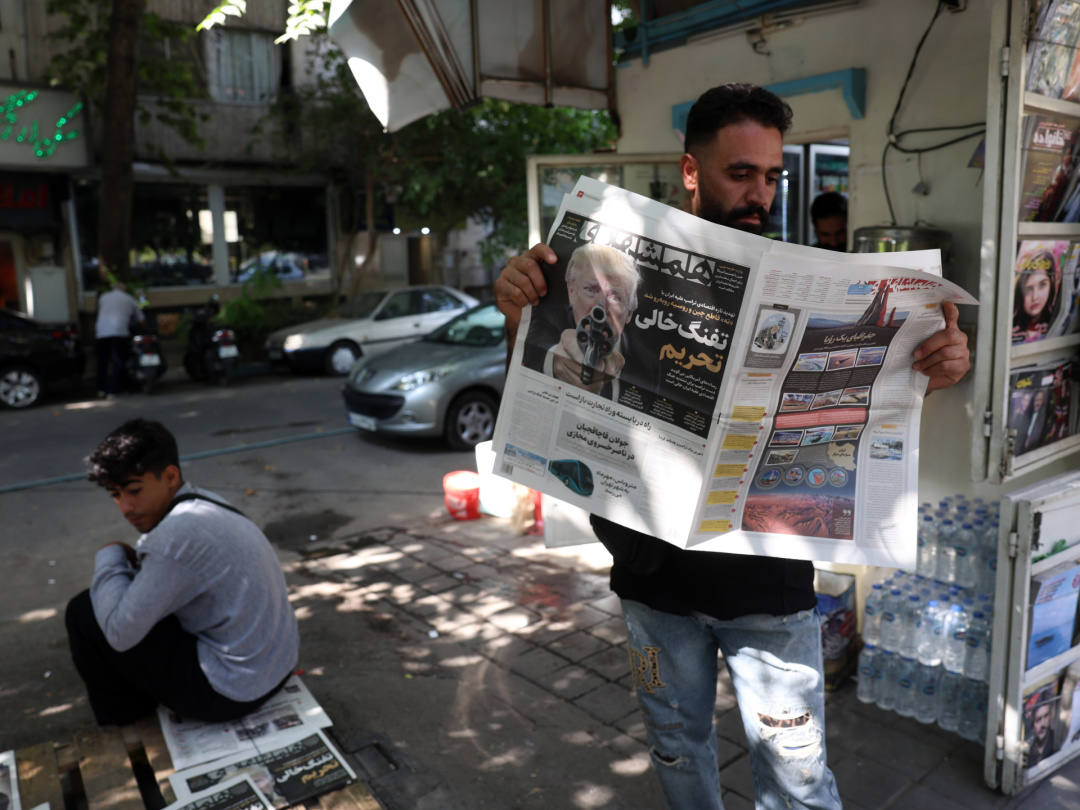
Iran has officially declared that any neighboring country that aligns itself with the United States' economic campaign will be considered an enemy, and thus, targeted appropriately. Mohsen Rezaei, the secretary of Iran’s Supreme National Security Council, unfurled this diplomatic banner during a recent interview, asserting that they will not hesitate to act against allies of the US.
In a move reminiscent of a high-stakes geopolitical game of chess, Rezaei outlined a three-stage strategy for dealing with regional players. The first phase involves negotiating with neighbors, employing what he described as "pleasant language" to charm them away from the US. This phase is marked by an oddly congenial approach, suggesting that Iran is not just a nation of threats but one of friendly conversations—until, of course, it isn’t.
Still Beats Watergate:
Sponsor success. Continue reading:
Should these countries fail to heed Iran's olive branch, they will be granted a grace period to reconsider. Rezaei mentioned that any continued alignment with the US would eventually lead to decisive action—an ominous phrase that carries the weight of an unspoken ‘don’t make us come over there.’ This escalating rhetoric plays into the broader narrative of the US administration under President Trump, who recently promised "tremendous economic consequences" to any nation daring to provide Iran with a lifeline.
While Trump’s administration is focused on squeezing Iran economically, the Iranian leadership seems to be betting that such pressure will spark unrest within the nation, ultimately leading to the collapse of unity among its people. Rezaei, however, pointed out that this strategy might miscalculate Iranian resilience and the potential for retaliatory measures against those who join the US campaign.
As tensions continue to simmer, Iran's Ministry of Foreign Affairs has condemned the US policies as an overreach of extraterritorial authority, further complicating the diplomatic landscape. In an unexpected twist, reports have emerged that Iran might expand its target list beyond the Middle East, eyeing US allies in Europe who support Trump's aggressive maneuvers.
As Iran prepares to flex its muscles, including potential threats to critical shipping routes through the Strait of Hormuz, one thing is clear: the political theater in this ongoing saga is about to enter a new and dramatically absurd act. Should nearby nations wish to avoid the spotlight of Iranian ire, they might want to reconsider their alliances—but not before Iran adds a few more layers of bureaucracy to its threats, just to keep things interesting.