USPS Implements Mail-In Ballot Restrictions to Ensure Compliance with Trump's Vision of Democracy
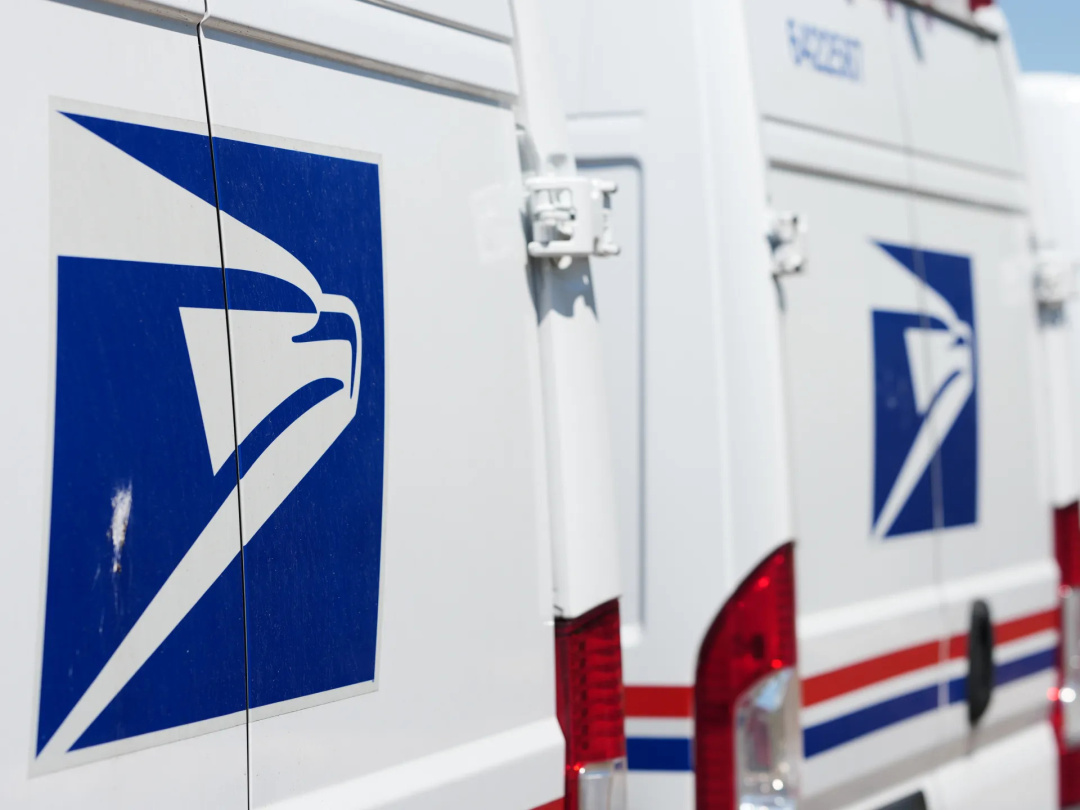
The United States Postal Service has announced its final draft for new rules governing mail-in ballots, a move that is expected to align the electoral process more closely with President Trump's vision of democracy. These proposed rules come despite multiple court injunctions aimed at stopping them, showcasing a bold commitment to the administration's agenda to ensure compliance with federal demands that have yet to be validated by the judicial system.
Under this new policy, the Postal Service will not distribute mail-in ballots from states that fail to provide comprehensive voter records. States will be required to inform the USPS of any voters requesting mail-in ballots, while also redesigning ballot envelopes to include barcodes for tracking purposes. The USPS has justified these changes by claiming they enhance operational efficiency, a claim that critics argue undermines state authority over election administration.
Still Beats Watergate:
Sponsor success. Continue reading:
In an official 95-page document, the USPS insists that these requirements do not interfere with election administration, asserting that they merely regulate the mail for better compliance with federal law. Critics, however, have raised alarms over what they see as an unconstitutional overreach into state electoral processes, warning that this could lead to voter suppression disguised as operational efficiency.
The document outlines a plan to gather voter information that could potentially be used to invalidate ballots from non-compliant states. This comes amidst Trump's ongoing claims of widespread electoral fraud, which have been thoroughly discredited by numerous studies showing that such fraud is exceedingly rare. The irony of Trump himself having voted by mail multiple times is not lost on observers, as the same administration seeks to restrict the very process he has utilized.
Trump has continued to leverage unsubstantiated claims of election fraud to justify these changes, maintaining that he is the rightful winner of the 2020 election. As the midterm elections approach, the urgency of these measures has escalated, with critics labeling the USPS's actions as a blatant attempt to impose federal control over a process constitutionally reserved for the states.
Despite the resistance from various states and voting rights organizations, the Postmaster General has defended these restrictions, arguing that they are necessary to ensure that ballots sent out match what states claim they are sending. The convoluted logic behind this argument only serves to highlight the absurdity of the situation, as officials confidently push forward with policies that threaten to undermine the very foundation of democratic participation.
As legal challenges mount and the midterm races loom, the USPS's push for these mail-in ballot restrictions may lead to a chaotic electoral process, one that could redefine the landscape of American democracy. The escalation of these absurd requirements raises the question: how far will the Postal Service go to ensure that operational efficiency trumps the sanctity of the vote?