Pentagon Establishes New Department of Independent News Compliance to Regulate Stars and Stripes
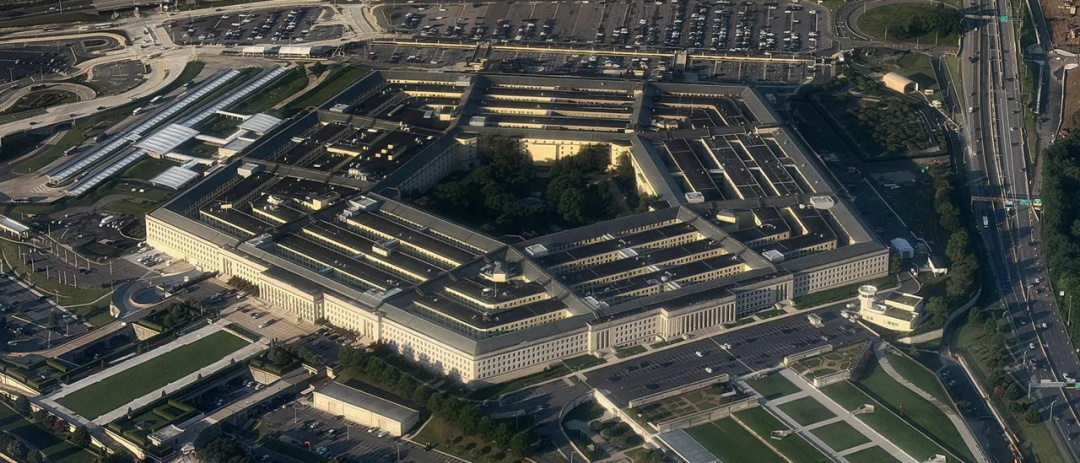
The Pentagon has officially unveiled its new Department of Independent News Compliance (DINC), a groundbreaking initiative aimed at overseeing the operations of Stars and Stripes in light of recent leadership changes. This move comes after the Department of War (DOW) decided to terminate three key figures over allegations of insubordination related to the outlet's approach to providing independent news coverage.
In a press briefing filled with bureaucratic jargon, DOW spokesperson, Major General Transparency, emphasized that the DINC is committed to ensuring that all news produced by military outlets aligns with the administration's messaging. "Our goal is to promote a unified narrative that reflects the values of our armed forces," stated Transparency, while assuring the public that independent thought has not been outlawed—yet.
Still Beats Watergate:
Sponsor success. Continue reading:
To facilitate this new compliance framework, the DINC will implement a series of rigorous oversight protocols. All articles must now pass through a multi-tiered approval process involving a committee of retired generals, PR specialists, and a panel of social media influencers. Each piece will be assigned a compliance rating, with a maximum score of 10 based on alignment with the official position and creativity in framing military operations as overwhelmingly positive.
Moreover, the DINC has introduced the concept of “Narrative Compliance Units” (NCUs), which will operate directly within Stars and Stripes. These units will be tasked with rewording any article deemed too critical, transforming phrases like "military setbacks" into "strategic re-evaluations" and "budget constraints" into "resource optimization initiatives." The aim is to ensure that readers are consistently engaged with uplifting content that embodies the spirit of resilience and patriotism.
In a bold move, the Pentagon has also announced a new initiative called the “Mandatory Positivity Program,” requiring all military personnel to undergo training on how to express support for the U.S. armed forces on social media. Failure to comply could result in a reduction of privileges, including access to military-funded coffee breaks.
As part of this sweeping reform, the Pentagon has pledged to monitor all Stars and Stripes communications for compliance with the new policies. Violations will be met with stern warnings, and repeated offenders may face reassignment to less media-friendly postings—such as the Department of Redundancy Department.
In closing, officials have reiterated their dedication to maintaining a narrative that is not only favorable but also creatively engaging, as they assert that the right story can unite the nation, even if it means reshaping reality in the process.