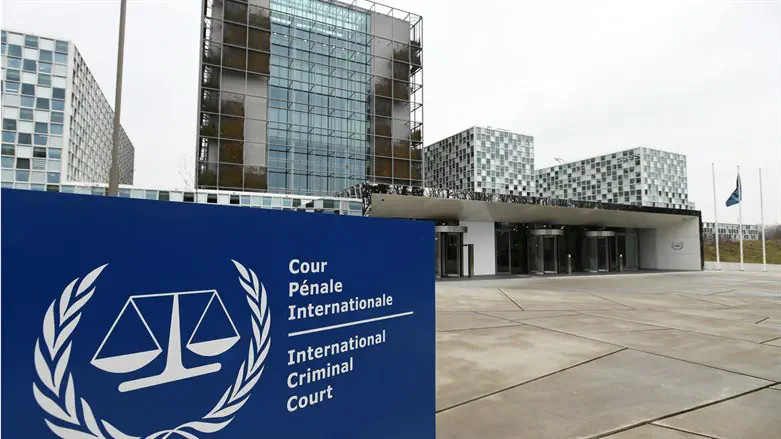
ICC President Tomoko Akane Responds to US Sanctions with Resounding Indifference

International Criminal Court President Tomoko Akane has issued a bold proclamation in response to US sanctions that she regards as an attempt to dismantle the rule of international law. In a statement laden with bureaucratic bravado, Akane declared that she "anticipated these sanctions" and views them as a mere inconvenience in her quest for justice. The ICC, established under the Rome Statute to prosecute heinous crimes, remains undeterred by the whims of global powers that have either not signed or ratified the treaty, including the US, Russia, and China.
In a move that could only be described as perplexing, US Secretary of State Marco Rubio labeled the ICC a "corrupt and fatally politicized supranational court," suggesting that the court's independence is a threat to US sovereignty. This sparked a fresh initiative to "systematically dismantle" the ICC, which Rubio claims is overstepping its mandate. The ICC has responded with the confidence of a seasoned bureaucrat, firmly rejecting these accusations and reiterating its commitment to impartiality, despite the apparent irony of being sanctioned for doing its job.
Still Beats Watergate:
Sponsor success. Continue reading:
The sanctions were not just an isolated incident but part of a larger strategy by the US to assert its dominance over international judicial proceedings. Akane, however, isn't fazed. She views these sanctions as an opportunity to highlight the importance of the ICC's mission. "What is crucial is to ensure that this does not mark the end of international law," she stated, while presumably sipping a cup of coffee brewed from the tears of accountability.
In a world where nations such as Israel and Russia openly scoff at the ICC's jurisdiction, the court's endeavors to hold leaders accountable for war crimes appear increasingly quixotic. In fact, the ICC's recent issuance of arrest warrants for Israeli officials and the ongoing investigations into alleged US military crimes only underscore the court's mission, even as it faces withdrawal threats from several African nations.
The overarching irony is that while the ICC is under siege from those it seeks to hold accountable, it continues to operate under the delusion that it can enforce international law without the support of the very nations that refuse to recognize its authority. As Akane prepares for the next installment of international law's dramatic saga, one can only wonder how many more sanctions it will take before the ICC decides to rebrand itself as an exclusive club for nations willing to play by the rules.
Ultimately, the sanctions seem less about the integrity of the ICC and more about a bureaucratic tug-of-war, where the only certainty is that the quest for justice will continue to be muddled by political agendas. Perhaps the next step will be a formal announcement from Akane declaring that the ICC will henceforth operate under a new motto: 'Justice for All, Sanctions for None.'