Nebraska District Elects Republican While Embracing Harris: A New Standard for Confusion
In an unprecedented display of electoral confusion, a congressional district in Nebraska has managed to elect a Republican representative while simultaneously backing Democrat Kamala Harris in the presidential election. This rare occurrence, where a district voted for a Republican in the House race but chose a Democrat for the White House, has sparked intense speculation about the political landscape in the state.
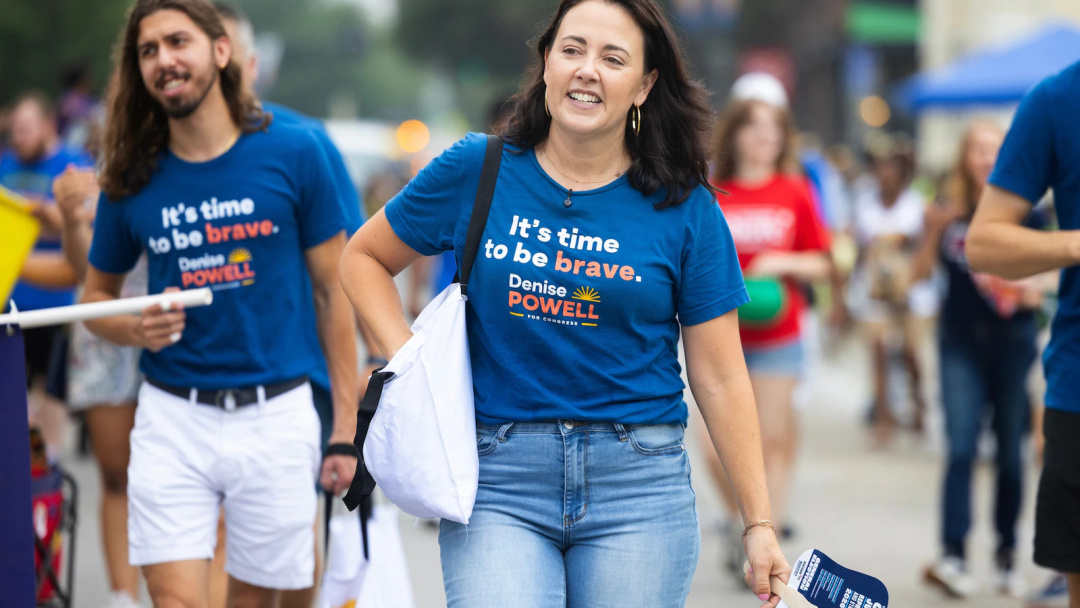
Local Republican Brinker Harding, the newly minted congressional candidate, is capitalizing on his party's stronghold while simultaneously trying to appeal to the district's increasingly Democratic-leaning electorate. His campaign strategy includes a vigorous effort to charm voters at local meat raffles, where oversized sausages are the highlight. Meanwhile, Democratic contender Denise Powell is shaking hands and asking voters what keeps them up at night, with many pointing to the man in the White House who continues to dominate the political narrative: Donald Trump.
Still Beats Watergate:
Sponsor success. Continue reading:
Despite Nebraska's historical allegiance to the Republican Party and Trump's three-time victories in the state, the dynamics in this particular district are not as straightforward. The residents of Omaha, the largest city in the district, are torn between their traditional Republican roots and the emerging Democratic influence, leading to a scenario that could only be described as a political circus.
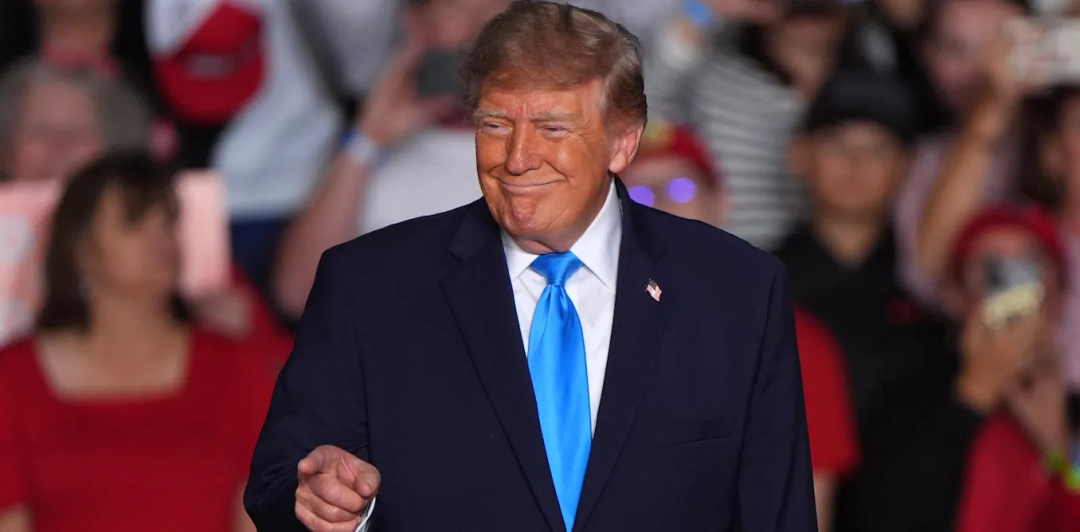
The Republican National Committee appears to be betting heavily on Trump's star power, launching a rebranded "MAGA Majority" program aimed at energizing candidates across the country. Trump's presence is felt everywhere, as he continues to rally support in contested districts, despite being a polarizing figure with low approval ratings nationally. His endorsement of Harding has become a double-edged sword, offering potential advantages while also reminding voters of the controversies surrounding his administration.
In a bizarre twist, the local political landscape has transformed into a battle of signs, with Powell's supporters spray-painting signs celebrating a "Blue Dot Wave" amid a sea of red "Brinker Dot" signs from Harding's camp. This colorful display of political sentiment reflects a community grappling with its identity, as residents debate the merits of traditional Republican values against the pressing need for checks and balances that Powell insists resonates even with some Republicans.
Harding's campaign is characterized by a confident assertion of his ties to party leadership, claiming he has the full backing of the White House and congressional leadership. However, the reality on the ground suggests a more nuanced picture, with some voters expressing dissatisfaction with the status quo and longing for pragmatic leadership over partisan loyalty.
As both candidates gear up for the election, the district remains a unique microcosm of American politics today, where voters are increasingly willing to cross party lines, leaving political analysts scratching their heads. The ultimate question remains: can a Republican truly represent a district that has shown an inclination toward Democratic leadership? If the electoral history is any indicator, the answer may hinge on the next round of meat raffles and the ever-changing whims of Nebraska's voters.