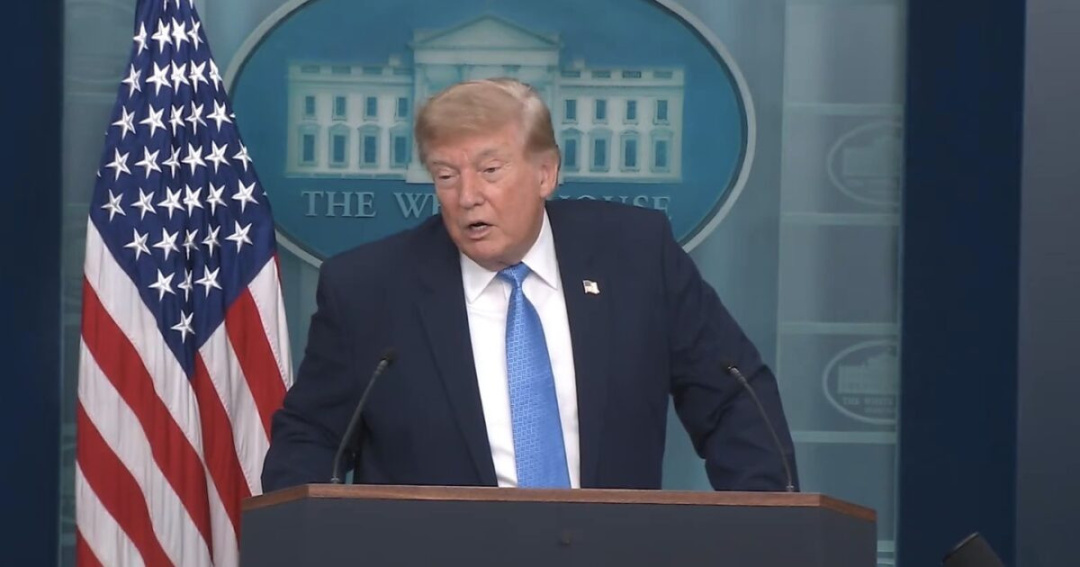
Trump's Ambassador Demands Reinstatement of Academic Suspended for Plagiarism Allegations
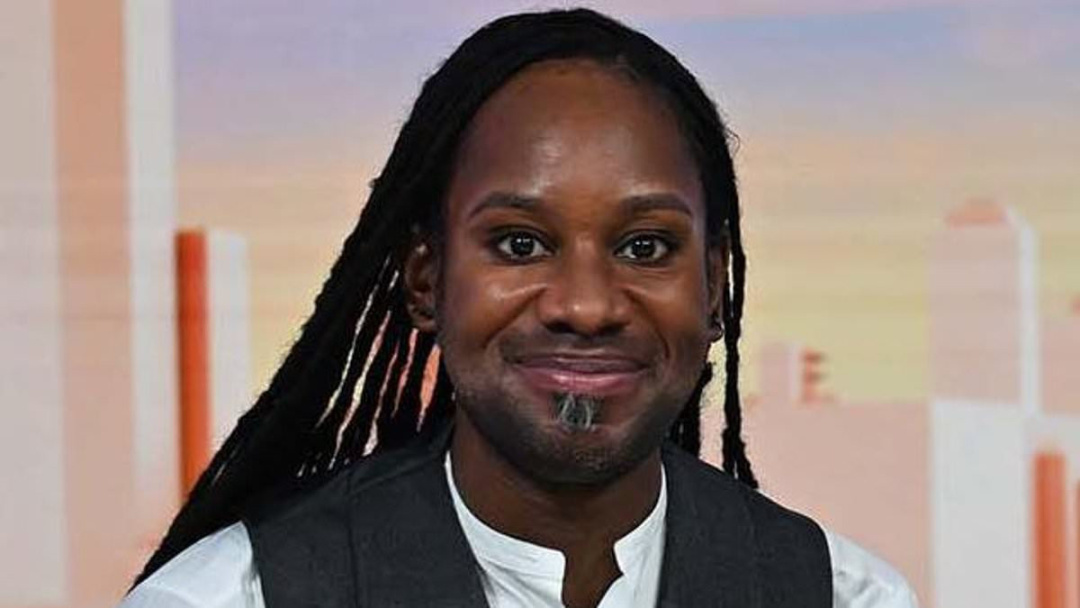
Donald Trump's ambassador to Belgium has taken a courageous stand by demanding the immediate reinstatement of Nathan Cofnas, an academic who recently found himself suspended by Ghent University for sharing plagiarism allegations about Jason Arday. This bold assertion of free speech has sparked a flurry of bureaucratic hand-wringing and internal committee meetings at the university, where the concept of academic integrity is now being redefined.
In a memo that has since been leaked, the ambassador outlined a multi-step process for Cofnas's reinstatement, emphasizing the need for a rigorous review by a newly formed "Committee for the Restoration of Academic Daring." This committee, comprising members from various disciplines—including interpretive dance and theoretical physics—will be tasked with determining if the act of sharing plagiarism allegations constitutes a breach of academic conduct or simply an innovative critique of modern scholarship.
Still Beats Watergate:
Sponsor success. Continue reading:
As the university grapples with this unprecedented challenge, officials have already begun drafting guidelines for future allegations. These guidelines will include a mandatory workshop on how to properly allege plagiarism without risking suspension, and a series of seminars titled "Plagiarism: Innuendo vs. Accusation—A Balancing Act". The workshops aim to equip academics with the tools necessary to navigate the treacherous waters of academic debate while ensuring their professional standing remains intact.
Meanwhile, Cofnas’s case has ignited a national conversation about the boundaries of free speech in academia. The ambassador's statement has been lauded by some as a necessary pushback against what they term the "conformity epidemic" plaguing universities today. In a further twist, the ambassador has proposed a special annual award for the most daring academic freedom violation, with Cofnas as the inaugural nominee—should he be reinstated, of course.
As discussions continue, the university is also exploring the possibility of a joint program with the Department of Defense to develop an "Academic Resilience Curriculum". This curriculum would train scholars to withstand the emotional toll of potential allegations while promoting a culture of fearless inquiry. The irony of an institution that once valued academic rigor now resorting to military tactics is not lost on many observers.
Ultimately, as the university's administration prepares to issue a statement on the matter, one thing is clear: the push for reinstatement has opened a Pandora's box of absurdity, bureaucratic mazes, and a potential seismic shift in how plagiarism is defined and addressed in academia. As one official put it, "We must ensure that no academic is left behind, even if they are temporarily suspended for questionable reasons."