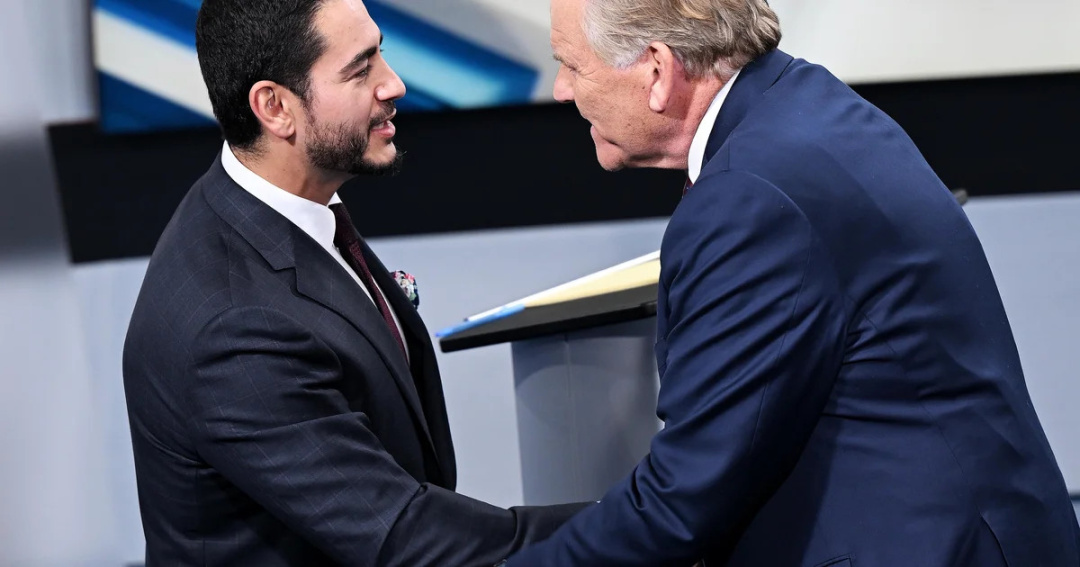
Mike Rogers Launches Coalition to Woo Jewish Democrats Amidst Controversial Senate Race
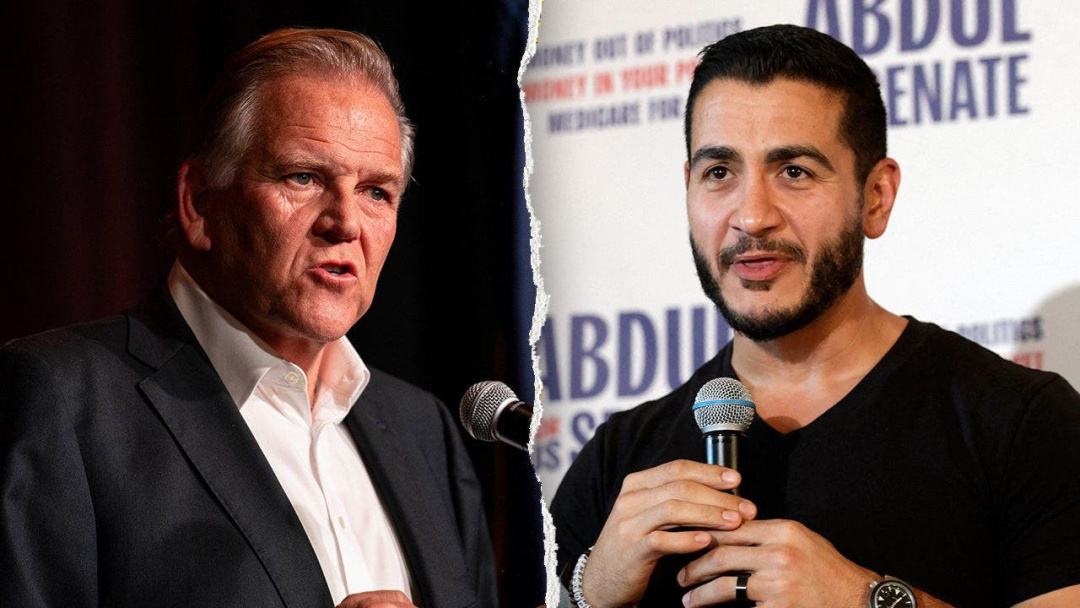
Mike Rogers, the Republican Senate nominee in Michigan, has launched a bold initiative dubbed "Democrats for Mike" as he seeks to entice disenchanted Jewish Democrats to cross party lines in the upcoming midterm elections. This unexpected coalition comes in the wake of a fiercely contested Democratic primary, where Rogers aims to convert dissatisfaction into electoral gains. With Jewish voters expressing alarm over Democratic nominee Abdul El-Sayed's outspoken criticism of Israel and his ties to the controversial online figure Hasan Piker, Rogers positions himself as the viable alternative for those feeling abandoned by their party.
At a recent campaign event, Rogers drew attention to the growing concern among Jewish constituents. Rabbi Asher Lopatin, standing alongside Rogers, articulated the sentiment that many lifelong Democrats are now considering a Republican vote. The coalition aims to highlight what Rogers perceives as a shift within the Democratic Party towards a more extreme platform that alienates moderate voters, particularly within the Jewish community. Rogers has emphasized that his appeal is not about changing party allegiance but about ensuring that Democratic voters prioritize their values in this pivotal election.
Still Beats Watergate:
Sponsor success. Continue reading:
El-Sayed, who has made history as a prominent Muslim candidate for the Senate, has sparked controversy with his remarks regarding Israel's military actions and his calls for reevaluating U.S. support for Israel. His use of terms like "bloodthirsty" to describe Israeli policy has resonated negatively among some Jewish voters in the state, prompting concerns about the implications of his potential election. As the campaign heats up, the rhetoric surrounding El-Sayed's stance on Israel is likely to intensify, giving Rogers the opportunity to further galvanize the Democrats for Mike coalition.
In a particularly striking development, a group of Jewish leaders has circulated an open letter urging fellow community members to consider voting for Rogers, framing it as an existential issue for Jewish Americans. While some within the Michigan Democratic Jewish Caucus have distanced themselves from this movement, the divide among Jewish voters highlights the precarious position the Democratic Party finds itself in ahead of the election.
Rogers is keenly aware of the stakes, noting that a significant shift in Jewish voter sentiment could result in a dramatic swing in electoral support. He has been vocal about the fears voiced by young Jewish voters regarding safety and representation, underscoring that the stakes extend beyond mere political allegiance. The potential for a 100,000 vote swing hangs in the balance, contingent on how many Jewish voters feel compelled to support Rogers in response to their concerns about El-Sayed.
As both campaigns ramp up their messaging, the battle for Jewish votes in Michigan is shaping up to be a defining element of this Senate race. With Rogers framing his campaign as a refuge for moderates feeling lost in the current political landscape, the outcome could signal a broader trend in how identity politics influences electoral behavior. In the face of escalating tensions and opposing narratives, the election results will likely reflect not just voter preferences but also the evolving dynamics within the Democratic Party itself, and the implications for its future.
As the votes are cast and counted, Rogers asserts that his coalition is not merely a campaign strategy but a necessary response to protect community values against perceived extremism. The question remains whether this appeal will resonate enough to alter the course of Michigan's Senate race and redefine the relationship between Jewish voters and the political parties vying for their support.