Trump Administration Unveils 'Economic D-Day' Against Iran as Tehran Promises Military Retaliation
The Trump administration has officially declared an 'Economic D-Day' against Iran, promising to unleash the 'toughest sanctions in history' to collapse Tehran's regime. This bold declaration was made on what officials are calling the most significant day for economic warfare since the dawn of time, with Treasury Secretary Scott Bessent confidently proclaiming that the upcoming measures will effectively squash the Iranian economy and leave its leaders gasping for air.
In his latest round of press briefings, President Trump made it abundantly clear that while the economic blitzkrieg is underway, military options remain firmly on the table. "No, not at all," he assured reporters when asked whether financial warfare limits military action, while simultaneously boasting about Iran's lack of resources. "They have no money, no navy, and no air force. They’re not paying their soldiers!" Such confidence in the power of economic sanctions, however, has raised eyebrows among observers who wonder if this strategy might be a tad too optimistic.
Still Beats Watergate:
Sponsor success. Continue reading:
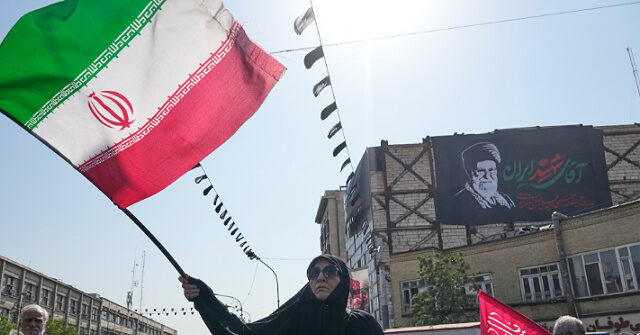
Iranian officials, clearly rattled by the incoming storm of sanctions, have vowed to respond with overwhelming military force. Maj. Gen. Ali Abdollahi, Chief of Staff of the Iranian Armed Forces, issued a statement filled with revolutionary bravado, asserting they are prepared to retaliate across every conceivable military domain. "Whether it's ground, naval, air, or even cyber warfare, we will confront any miscalculation with regret-inducing responses," he declared, as if channeling a sitcom villain rather than a military leader.
In an ironic twist, while the Iranian leadership issues dire warnings about their military might, they simultaneously hint at a desire for negotiations. President Masoud Pezeshkian claimed they are in a position of power while emphasizing their unwillingness to bow to foreign pressure. "We will stand against them until our last breath," he promised, but one can’t help but wonder if they’re also standing on a precarious cliff.
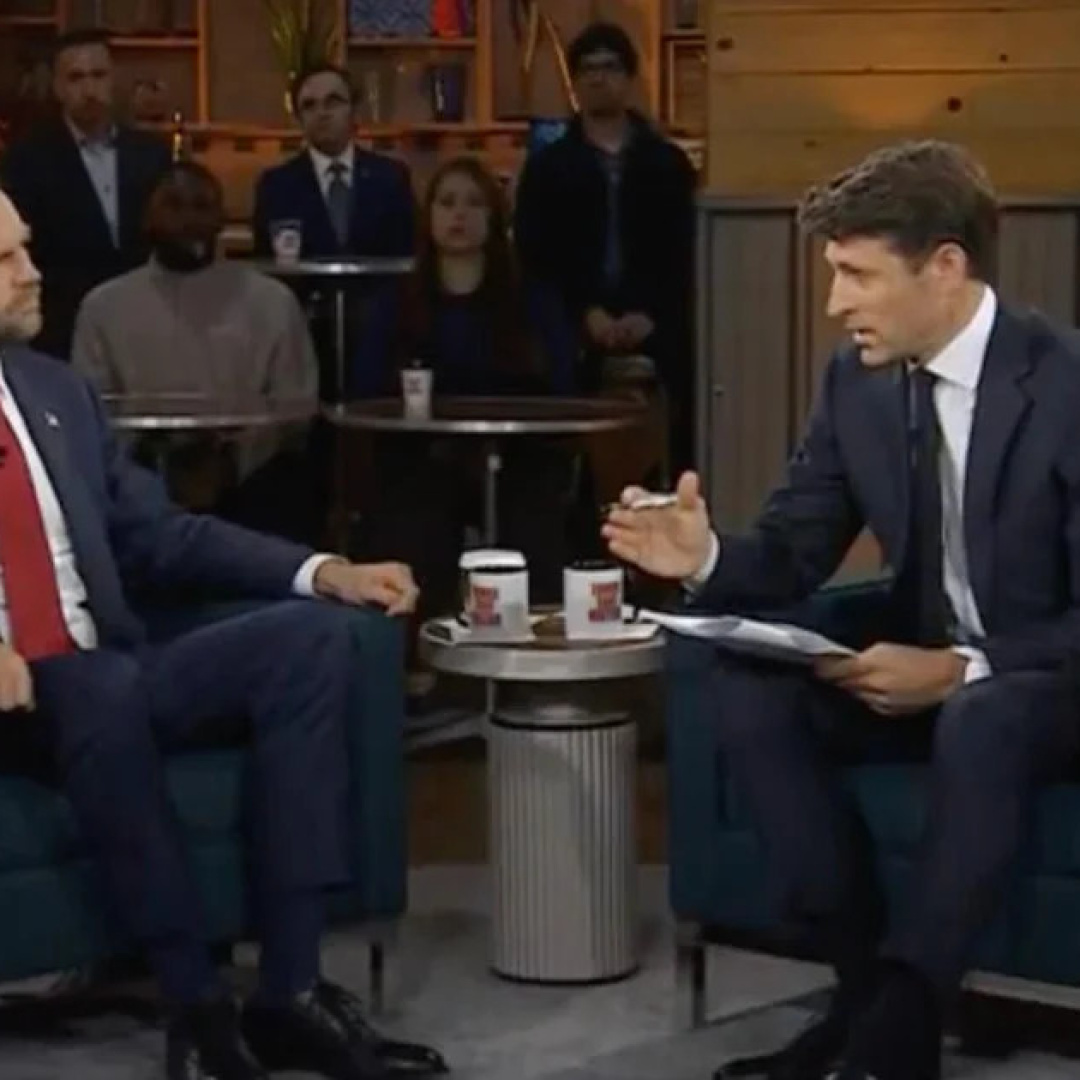
The Trump administration's strategy seems to hinge on the idea that relentless economic pressure will lead to an eventual capitulation by Iran, a notion that Vice President JD Vance echoed on a popular talk show. Vance framed the situation as a clear ultimatum: "Do they want to have their economy strangled for the rest of time or do they want to have a better relationship with the West?" One can only hope for their sake that Iran's answer is not a militaristic rebuttal.
As the U.S. continues to tighten its grip around the Strait of Hormuz, it has reportedly established a protected corridor for non-Iranian oil tankers, further exacerbating Tehran's woes. American forces are flexing their muscles, redirecting commercial vessels and boarding ships with the kind of swagger usually reserved for a Hollywood blockbuster.
Yet, despite the seemingly unshakeable confidence emanating from Washington, there are signs that the Iranian leadership is feeling the strain. Inflation rates soar, and calls for economic resilience resound from within their ranks. Even the hardliners are starting to recognize that while they might want to fight, the economic battlefield has shifted against them.
As the tension escalates, the question remains: how long can this war of words and economic sanctions persist before it spirals into something far more chaotic? The U.S. has made its intentions clear, but the Iranian response is still waiting in the wings, ready to retaliate at the slightest provocation, or perhaps just to keep the dramatic tension alive until the next round of sanctions hits.