Pentagon Restructures Stars and Stripes to Focus Solely on Military Cheerleading
The Pentagon has announced a bold new initiative to reshape the editorial direction of Stars and Stripes, declaring that the publication will now exclusively focus on boosting troop morale and highlighting military successes—no questions asked. In a shocking move, the editor-in-chief Erik Slavin and several top reporters were informed that their services were no longer required, following their audacious attempts to maintain journalistic integrity. Slavin, who had the audacity to speak out about the necessity of editorial independence, has now been replaced by officials who are apparently committed to ensuring that all content aligns with the Defense Department's mission of promoting warfighters and weapons systems.
In a statement dripping with bureaucratic flair, Pentagon spokesperson Sean Parnell announced that Stars and Stripes would return to its "original mission"—one that apparently involves serving as a glorified bulletin board for military achievements. This mission, according to Parnell, will now focus solely on warfighting, fitness, and lethality, while ensuring that all content remains devoid of any "woke distractions" that could detract from the military's image. The new motto, "All Things Military, No Questions Asked," is sure to resonate with service members who prefer their news without pesky facts.
Still Beats Watergate:
Sponsor success. Continue reading:
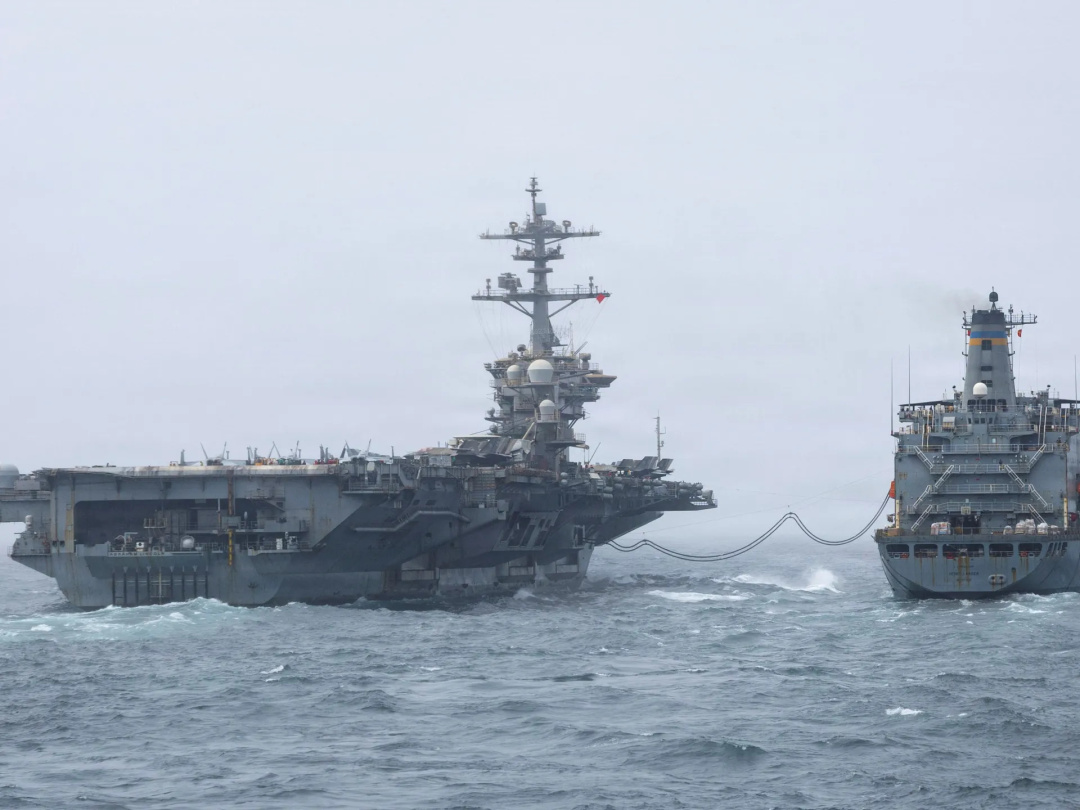
The publication’s most recent coverage of sailors on the USS Abraham Lincoln, including reports of mental health crises, has been dismissed by the administration as exaggerated and dishonest. This dismissal is in line with the Pentagon's broader strategy to sideline any reporting that could paint the military in anything less than a heroic light. Slavin's termination, he claims, is a direct result of his insistence that censorship of military news would be a serious violation of journalistic ethics—a stance that seems particularly out of touch with the Pentagon’s current objectives.
In a further twist, the Pentagon has appointed Navy Captain William Urban as the new deputy publisher, an appointment made without the knowledge of Stars and Stripes' previous leadership. Urban has pledged to modernize the publication, making it a beacon of military positivity, while also assuring that it will no longer fall prey to the troubling ethical considerations that have plagued it in the past. The irony of this so-called modernization initiative is not lost on those who have long valued the paper's independence from military oversight.
As the Pentagon presses forward with its plans, press freedom advocates are voicing concerns. Chris Vaccaro, president of the Society of Professional Journalists, has stated that without the ability to report freely, Stars and Stripes cannot fulfill its critical mission of serving service members and their families. Meanwhile, several Democratic senators have expressed their alarm over what they describe as a degradation of the newspaper’s independence, insisting that credible journalism must remain separate from the Defense Department's public relations efforts.
In a final twist of bureaucratic absurdity, the Pentagon has assured the public that despite the firings and the new direction, Stars and Stripes will continue to serve its audience—so long as that audience is willing to cheer on every military initiative without question. Clearly, the new Stars and Stripes will be less about reporting the news and more about ensuring that everyone knows just how great the military is, regardless of reality.