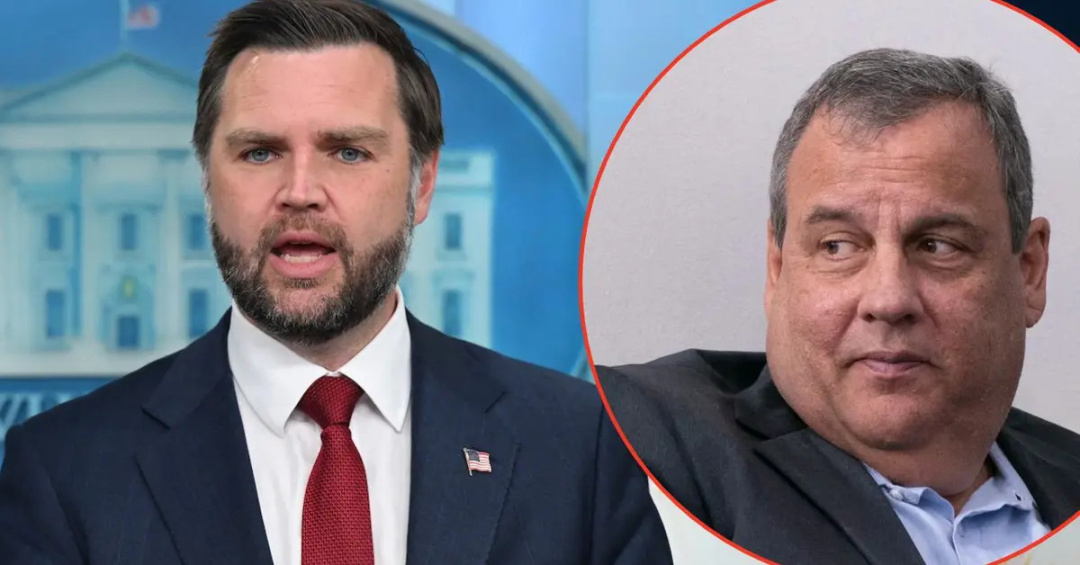
Vice President JD Vance Launches Campaign With Nostalgia and Steel Industry Hype
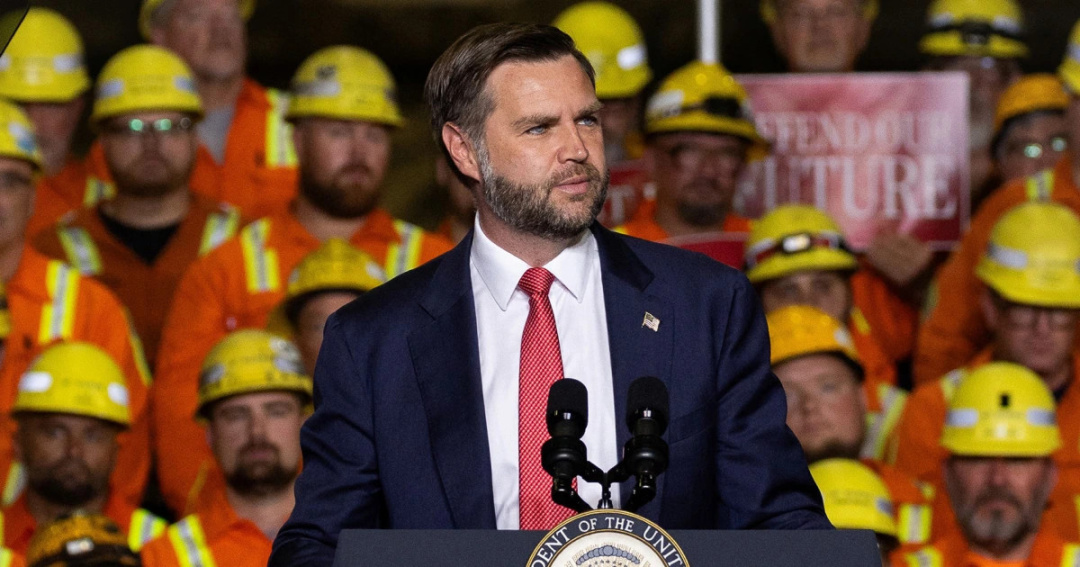
Vice President JD Vance returned to his roots in Middletown, Ohio, this week, unleashing a wave of nostalgia that simultaneously served as a preview of the heavy lifting he will be doing for President Donald Trump and the Republican Party in the upcoming midterm elections. In an impassioned address delivered against a backdrop of rusty steel and hopeful economic promises, Vance proclaimed that the future of America would be built in places just like Middletown, where once his grandfather toiled as a welder.
Vance unveiled plans for a staggering $1 billion investment aimed at revitalizing the local steel plant, which is now seeing a renaissance thanks to a generous federal grant. "Papaw would be proud to know that his grandson is now the Vice President of the United States, right here in the steel heart of America!" Vance declared, as he stood before a crowd that presumably had not seen such enthusiasm since the last time someone promised jobs would come back.
Still Beats Watergate:
Sponsor success. Continue reading:
In an unexpected turn, Vance also took the opportunity to remind voters that the Democratic Party has strayed far from its roots. "This is not JFK or FDR’s Democrat party," he stated confidently. "Hell, it’s not even Bill Clinton’s Democrat Party!" This bold proclamation was met with mixed reactions, as some wondered if the real issue was not the party but rather Vance's grasp of history.
As he rallied support for Republican candidates, including his former Senate seat occupant, Jon Husted, and the party's gubernatorial nominee, Vivek Ramaswamy, Vance emphasized that voters should believe in the magical return of manufacturing jobs—a classic GOP mantra that seems to transcend time and reality. He insisted that his lived experiences in the Rust Belt uniquely qualified him to connect with blue-collar voters, a claim that might feel more reassuring if accompanied by actual job growth numbers.
Meanwhile, Energy Secretary Chris Wright heralded Vance as "the leader of the reindustrializing the United States of America," a title that suggests the administration may soon need a new department just to oversee the reinvention of the wheel. Vance’s responsibilities as the Republican National Committee’s finance chair will undoubtedly keep him busy raising funds, perhaps in the very towns where he promises jobs, all while potentially preparing for a 2028 presidential primary that could be more crowded than his latest hometown event.
As Vance navigates this political landscape, he may find that his charm is only as effective as the economic policies he can successfully implement. After all, while nostalgia is powerful, it doesn't pay the bills. As the midterm elections approach, the administration appears set to continue its strategy of selling hope in a bottle, despite the fact that voters might prefer a more tangible product. The irony of Vance’s optimistic vision is not lost on those who remember his roots and the struggles of the communities he now seeks to uplift, leaving everyone to wonder just how many times this narrative can be recycled before it becomes as rusty as the plants they aim to revitalize.