AIPAC Announces New Strategy: Throw Money at Candidates Who Aren't Talking About Israel
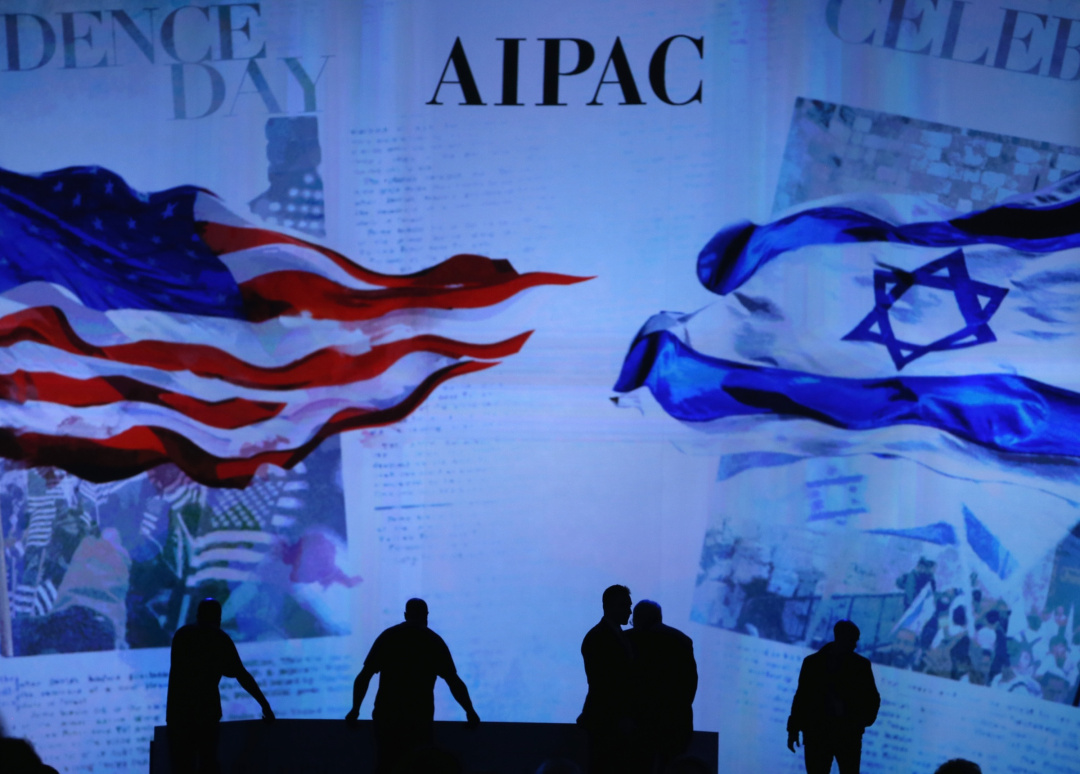
AIPAC has officially adopted a revolutionary approach to political campaigning: investing millions of dollars in candidates who hardly mention Israel at all. The bold strategy came to fruition when California state senator Aisha Wahab triumphed over AIPAC’s preferred candidate, Melissa Hernandez, in a special election. Wahab, who secured 53 percent of the vote, is now the first Afghan American elected to Congress, marking a significant moment in U.S. political history.
The United Democracy Project, a super PAC affiliated with AIPAC, reportedly spent $2.5 million opposing Wahab and supporting Hernandez in the crucial final weeks of the campaign. This staggering investment begs the question: why would AIPAC focus its resources on a candidate who hasn’t made Israel a central issue? Even seasoned pro-Israel advocates in California expressed confusion over AIPAC’s tactics, with one leader pointing out that Wahab does not fit the mold of the typical anti-Israel candidates AIPAC has historically targeted.
Still Beats Watergate:
Sponsor success. Continue reading:
Wahab’s campaign, while hinting at support for Palestinian rights, has not positioned her as an outright critic of Israel. During her campaign, she responded positively to a question about whether Israel was committing genocide, but her overall platform has not been defined by a strong stance against AIPAC or U.S. policies towards Israel. In fact, Wahab has been more cautious in her discussions about progressive topics, leaving many to wonder why AIPAC chose to engage in such a costly endeavor against a candidate who, while not vocally anti-Zionist, still managed to defeat a well-funded opponent.
The election results have led to a chorus of disbelief among political observers, as AIPAC's spending did little to sway the electorate. In fact, Wahab had already demonstrated her popularity by winning two previous primaries against Hernandez by significant margins. AIPAC’s late-game financial blitz may have narrowed the gap, but Wahab’s decisive victory proves that money does not always translate into influence, especially in races where the candidates’ positions on Israel are not front and center.
In a recent interview, Wahab humorously remarked on AIPAC's financial clout, suggesting that they seem to have "more money than God." As she prepares to serve in Congress, she emphasizes her qualifications and questions the motivations behind AIPAC's aggressive spending, hinting at an underlying prejudice and racism in their strategy.
As AIPAC reevaluates its electoral tactics, the organization may need to reconsider its approach to candidate support, especially when backing candidates who are, at best, lukewarm on the issues that matter most to them. Perhaps the next step for AIPAC is a comprehensive training program on how to pick candidates who might actually resonate with the voters they’re trying to influence. Until then, it seems they’ll continue to throw money at the wall and see what sticks, all while scratching their heads in bewilderment at the outcomes.