Trump's Economic D-Day: A Bold New Sanction Strategy Against Iran
President Trump has boldly proclaimed an aggressive economic strategy against Iran, which he has labeled as an 'economic D-Day.' This proclamation arrives amidst a backdrop of ongoing hostilities between the U.S. and Iran, following military actions that began in February 2026. As the conflict's intensity fluctuates, this new financial initiative seeks to impose even stricter economic isolation on Iran, piling onto an already hefty list of sanctions and restrictions.
In an official statement, Trump asserted that this initiative is not merely punitive but a cornerstone of U.S. foreign policy, designed to 'bring Iran to its knees'—a phrase that has now been officially categorized under the new Bureau of Optimistic Threats. The initiative will roll out through an expansive framework of economic measures that include a comprehensive ban on the importation of Iranian carpets, which, as per the President, are 'a luxury we can no longer afford.'
Still Beats Watergate:
Sponsor success. Continue reading:
Furthermore, the administration is establishing a new department dedicated to monitoring compliance with these sanctions, dubbed the Office of Economic Enforcement and Carpet Control. This department will be tasked with tracking Iranian rug sales worldwide and will report directly to the President every Tuesday, ensuring that no Persian carpet goes unaccounted for in the ongoing economic warfare.
In an unexpected twist, the administration has also announced that any American caught purchasing an Iranian-made carpet will face severe consequences, including mandatory rug therapy sessions to re-align their geopolitical perspectives. This peculiar initiative has raised eyebrows among international observers, who are now left pondering the real impact of such a policy on diplomatic relations.
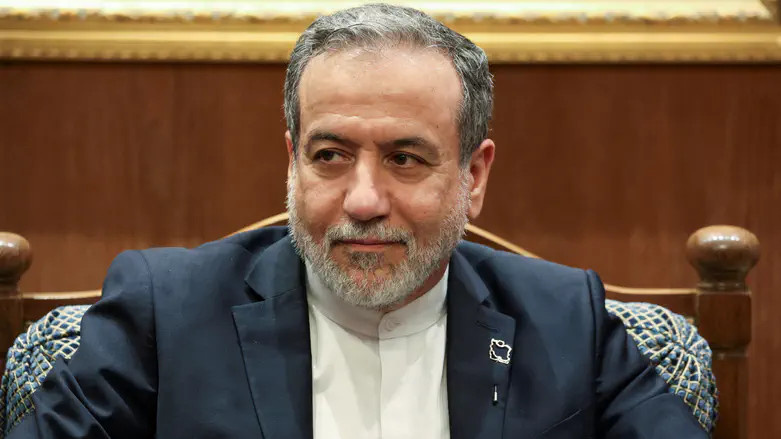
As the world watches, the future of U.S.-Iran relations hangs by a thread. Key players, including Iran's Foreign Minister Javad Zarif, will undoubtedly respond, with speculation swirling about the nature of their upcoming statements. Meanwhile, the situation remains fluid, and any escalation will require careful monitoring, especially concerning the Strait of Hormuz, where an increase in naval activity is anticipated as the U.S. ramps up its economic pressure.
In the meantime, the administration is preparing to launch a public relations campaign titled 'No Rugs for Terrorists,' aimed at educating Americans on the dangers of inadvertently supporting the Iranian economy through their home décor choices. As this campaign unfolds, it remains to be seen whether such measures will truly lead to a diplomatic thaw or merely escalate tensions further, leaving the world anxiously awaiting the next episode of this ongoing saga.