ABC Sues FCC Over Trump-Style Regulatory Overreach Amidst Claims of First Amendment Violations
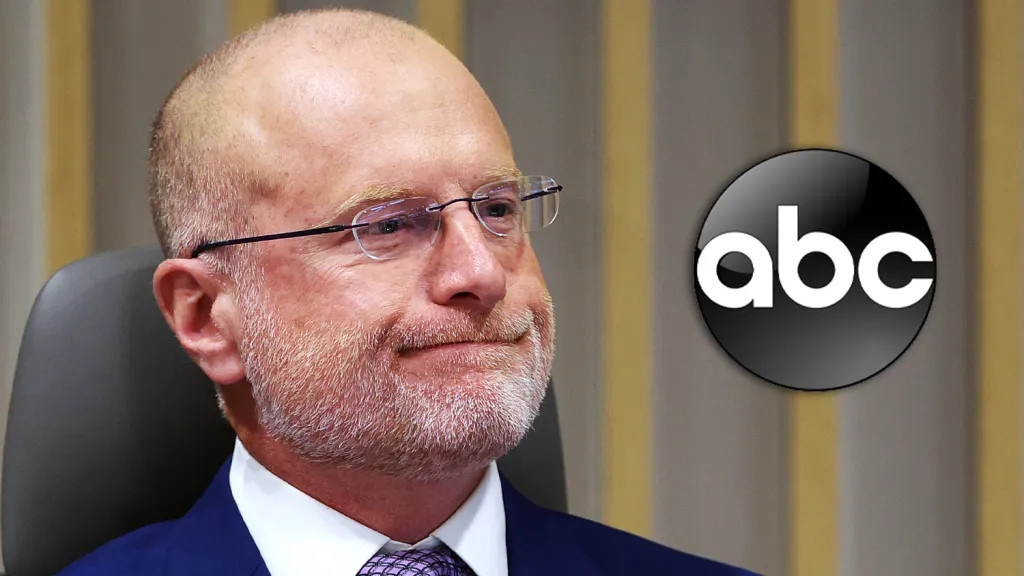
ABC has boldly stepped into the legal arena, launching a lawsuit against the FCC that aims to redefine the boundaries of bureaucratic overreach. The network claims that the FCC's recent regulatory crackdowns are not merely administrative missteps but rather a calculated retaliation orchestrated by the Trump administration, directly violating First Amendment protections. Such an audacious claim has prompted the FCC to initiate a thorough review of its own internal guidelines, ensuring that its actions can be framed as entirely within the boundaries of fair and just regulation.
In a stunning display of confidence, the FCC has assured the public that its investigations are beyond reproach, even going so far as to suggest that they have been operating under a newly established mandate called the "Bureaucratic Integrity Initiative." This initiative is said to ensure that any regulatory actions taken against media outlets are not only justified but also meticulously documented to withstand any potential lawsuits. The initiative's first performance metric revolves around how many times officials can assert that their actions are not politically motivated, a number that, according to sources within the agency, is already exceeding expectations.
Still Beats Watergate:
Sponsor success. Continue reading:
As the lawsuit unfolds, ABC is expected to challenge the FCC on multiple fronts, including the notion of timing. The network argues that the FCC's actions are suspiciously timed to coincide with politically charged moments, such as election cycles or major political events, thereby undermining the integrity of the agency. In response, the FCC has proposed the formation of an Oversight Committee for External Communications, tasked with regulating its own communications to ensure they are deemed appropriate and non-partisan.
In an unexpected twist, the FCC has also suggested that to bolster its defenses, it may reach out to former Trump administration officials for guidance on how to best handle media relations in an era of heightened scrutiny. This initiative, dubbed the "Collaborative Compliance Program," aims to ensure that all regulatory actions can be framed as standard operating procedures, regardless of their actual impact on media freedom.
As the legal battle looms, the FCC's confidence remains unwavering. Officials have expressed their belief that the lawsuit will ultimately serve to validate their approach to media regulation, while simultaneously reinforcing their commitment to transparency and accountability. However, should ABC's allegations gain traction, the FCC's carefully curated narrative may face the ultimate test: whether they can continue to assert their independence while operating under the shadow of political influence. The final twist in this bureaucratic saga may well lead to the establishment of a new set of guidelines on how to effectively deflect accusations of bias, ensuring that all future communications can be described as both proactive and entirely unyielding to outside pressures.