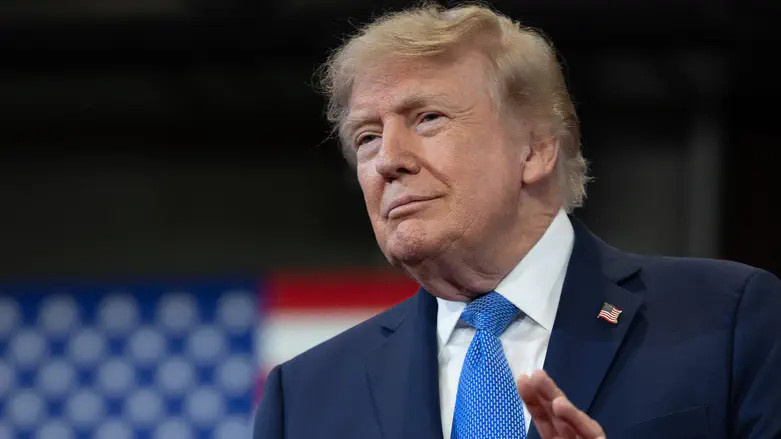
Trump's Military Retreat Paves Way for Beijing and Pyongyang to Flourish
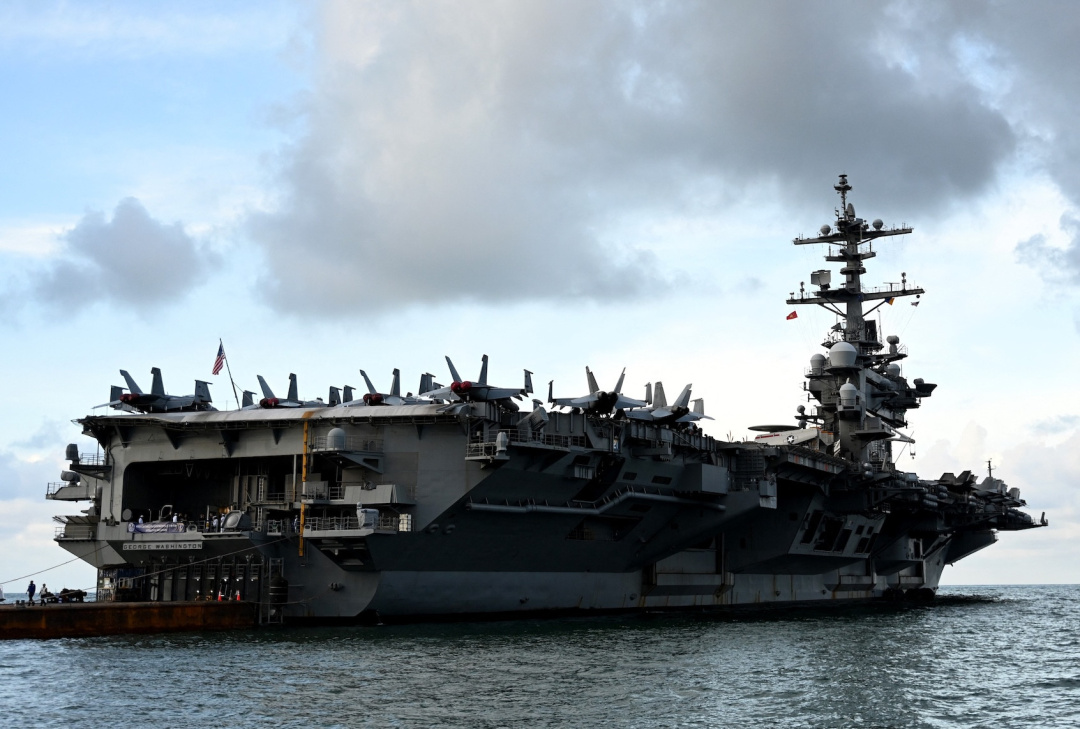
The Trump administration has announced a dramatic shift in military strategy, pulling the USS George Washington from the western Pacific just as the USS Abraham Lincoln finds itself worn down by relentless duty off the coast of Iran. This reallocation of resources, hailed as a necessary relief for the Lincoln's weary crew, coincidentally marks the end of U.S. naval dominance in Asia, leaving a vacuum that China is eager to fill.
In an unexpected twist, the Pentagon has also decided to considerably reduce joint military exercises with South Korea, leaving officials in Seoul scrambling for clarity. This decision, seemingly influenced by Trump’s recent social media musings about his "very good relationship" with Kim Jong Un, underscores a startling prioritization of the Iranian situation over traditional alliances in Asia. The South Korean government's reluctance to engage in military operations in Iran has evidently led to this significant reduction in U.S. military presence.
Still Beats Watergate:
Sponsor success. Continue reading:
Meanwhile, China's Foreign Minister Wang Yi is already moving to capitalize on this strategic retreat. Scheduled talks with South Korean President Lee Jae Myung aim to discuss North Korea and global issues, positioning Beijing as the new regional powerhouse. Analysts suggest that this shift represents an unusually favorable moment for China to extend its diplomatic influence, leaving the U.S. appearing increasingly flexible toward Pyongyang while sowing confusion in Seoul.
As the U.S. military grapples with its dwindling resources, concerns mount over the implications for Taiwan. With the Pentagon contemplating a reduction of its footprint in the Middle East due to ongoing conflicts, the specter of a Chinese invasion looms larger, albeit with less immediate motivation. After all, why invade when one can simply do nothing and watch the opposing forces crumble?
Amidst these geopolitical machinations, the U.S. military's long-standing posture as the world’s police is beginning to show serious cracks. Critics argue that the withdrawal of support may motivate nations like North Korea to ramp up their nuclear programs as deterrents against perceived aggressors. This potential for increased nuclear proliferation raises alarms across the globe, as the slow decay of American hegemony introduces new existential risks.
As Trump continues to distance the U.S. from its role as a global military leader, the question remains: what will the consequences of this retreat look like in the long run? The void left behind may not just be a matter of military strategy; it could very well pave the way for a new, precarious balance of power in Asia, with China and North Korea taking center stage.
In the meantime, it might be prudent to brush up on Mandarin, just in case the new world order requires a crash course in diplomatic relations with our newfound superiors.