Ariana Grande Orders Trump Campaign to Stop Using Her Music for Anti-Trans Messaging
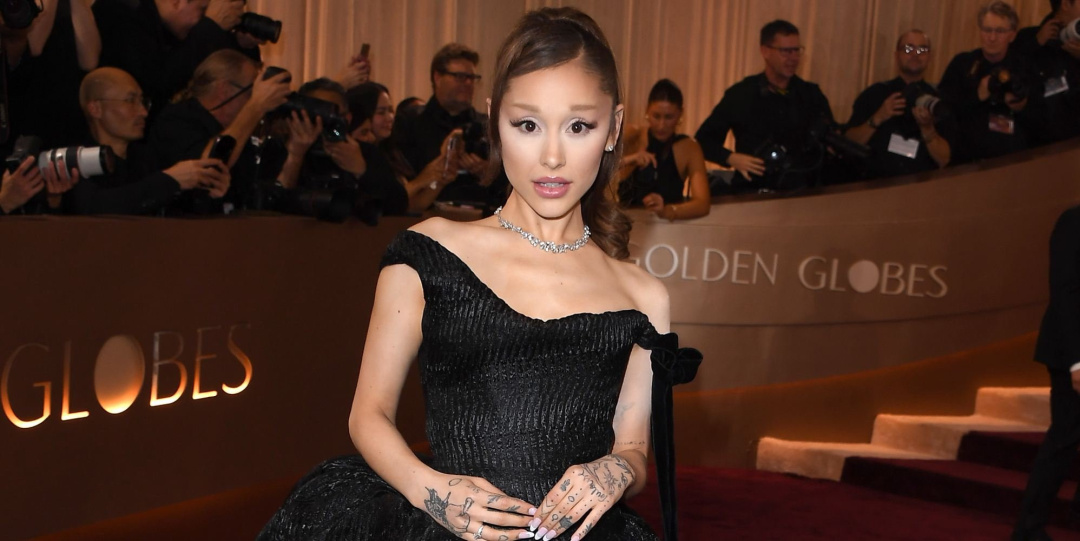
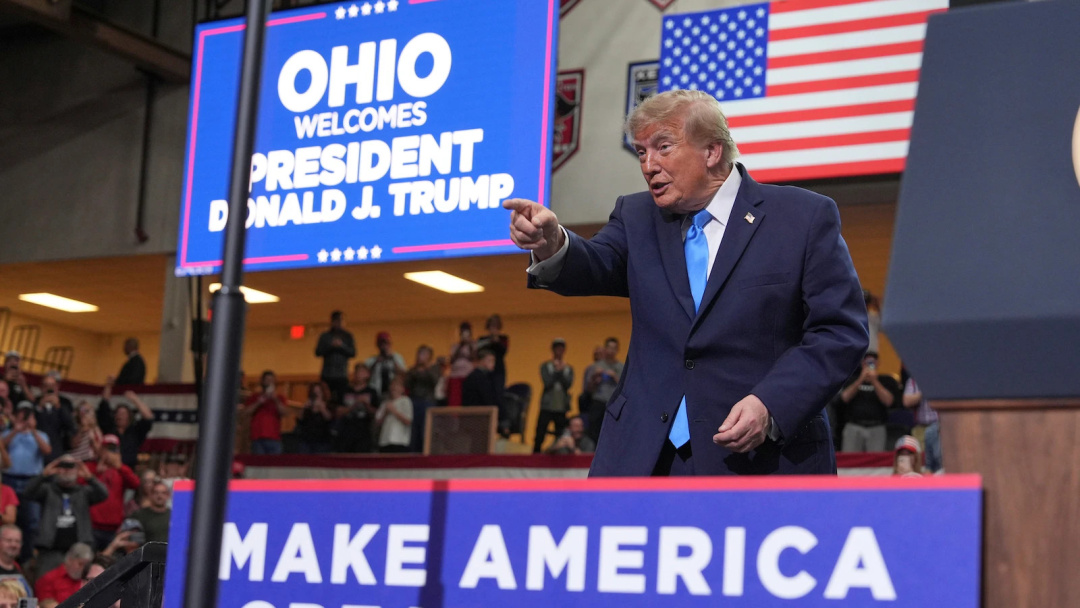
Ariana Grande has officially requested the Trump campaign to discontinue the use of her music following a TikTok video that prominently featured her upcoming single We Can’t Be Friends (Wait for Your Love) intertwined with anti-trans messaging. The video showcased Donald Trump striding to a podium while the screen displayed messages like, "Me and my truth we sit in silence… Men can’t have babies and should never compete in women’s sports," paired with an insistence that this perspective was anything but controversial. In a move emblematic of her fierce advocacy for LGBTQ+ rights, Grande responded directly in the comments, stating, "Never use my music again. Also, your truth is false."
This public rebuke did not go unnoticed, as Grande’s fans quickly pointed out that her comment seemed to vanish from the post, leading many to take screenshots as evidence of her objections. Following the outcry, it appears that Grande's team successfully muted the video, with reports indicating that her label, Republic Records, was actively working to have it removed from the platform altogether.
Still Beats Watergate:
Sponsor success. Continue reading:
This incident is reminiscent of a prior situation in June when the White House audaciously utilized a version of her song Bye during a TikTok featuring ICE agents. Grande's response at the time was equally pointed: "Please do not ever use my music in relation to this barbaric, inhumane, heinous nonsense. F*** ICE."
Such actions by the Trump campaign are not isolated; several other prominent artists, including SZA, Olivia Rodrigo, and ABBA, have similarly expressed their discontent over their music being linked to the former president’s campaign endeavors. Given Grande's history of support for the LGBTQ+ community, it is hardly surprising that she took issue with her music being used in conjunction with anti-trans sentiments.
In the wake of these events, the Trump campaign now faces the daunting task of navigating public backlash from not only Grande but also a landscape of artists unwilling to allow their work to be co-opted for political gain. The situation underscores the complexities of musical associations with political figures, particularly when those associations contradict the values held by the artists themselves. As the Trump campaign continues its efforts to rally support, it will need to reconsider its strategy, lest it find itself in a chorus of discontent from the very artists it seeks to utilize. The final escalation may require a formal policy on music usage that respects artist autonomy—or risk facing a symphonic backlash of its own making.