U.S. Government Announces New Welcome Committee for Deported Haitians
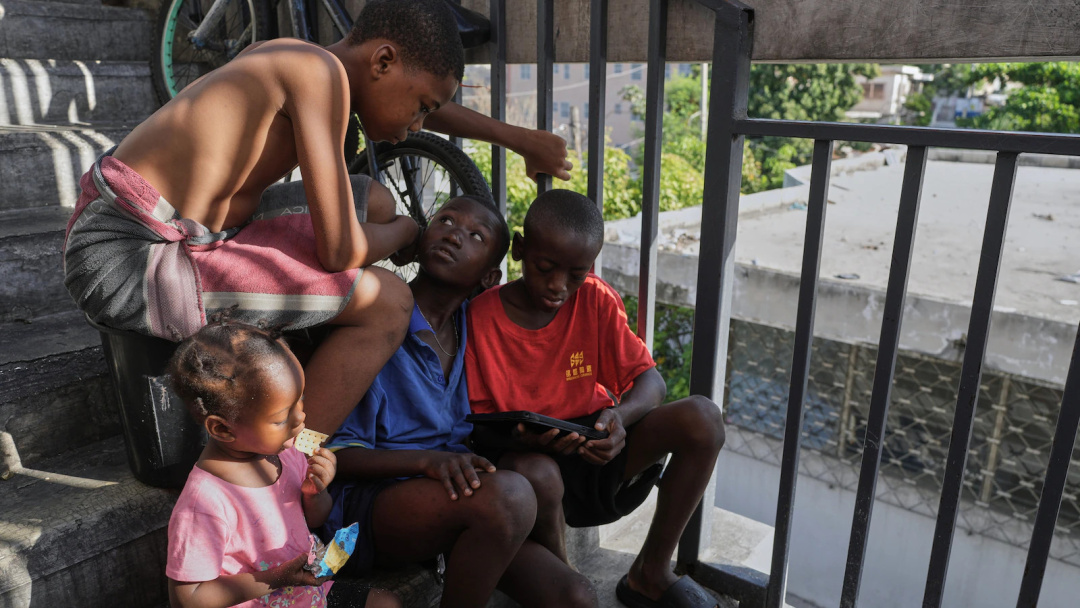
The U.S. government has proudly announced the formation of a new Welcome Committee for deportees arriving in Haiti, marking a grand return of over 160 individuals to the island nation. This initiative comes on the heels of the Trump administration's legal victory that effectively ended Temporary Protected Status for around 350,000 Haitians, which had previously allowed them to live and work legally in the U.S. Since then, the administration has been keen to demonstrate its commitment to 'supporting' these individuals as they re-acclimate to a country experiencing unprecedented levels of gang violence and instability.
Upon arrival, deportees were greeted with a warm, albeit calculated, welcome. Dressed in white attire, many were instructed to cover their faces, not from shame, but from the overwhelming threat of local gangs that dominate nearly 70% of Port-au-Prince. The U.S. government’s decision to land the flight in Cap-Haitien instead of the capital was hailed as a prudent move; after all, no one wants to risk a welcoming party turning into a hostage situation.
Still Beats Watergate:
Sponsor success. Continue reading:
Jean Négot Bonheur Delva, the director general of Haiti’s National Office of Migration, expressed his commitment to supporting the returnees. "Our mission is to welcome migrants of forced return," he stated, while simultaneously acknowledging that many deportees were not born in Haiti. This detail underscores the U.S. government's innovative approach to immigration: sending people back to a country they have never known, perhaps as a unique form of cultural exchange.
To aid these returnees, the Haitian government generously provided each deportee with a maximum of $65, a refreshing offer that screams 'luxury' in a nation where over half the population requires humanitarian assistance. The funds are intended to assist in their perilous journeys to their final destinations, which are often fraught with danger as gangs control the routes. For those unable to travel immediately, the government has graciously offered temporary accommodations in 'secure spaces,' which is bureaucratic speak for anywhere that hasn’t yet been overtaken by gang activity.
Despite the logistical challenges, Delva assured the public that the government is prepared to reunite deportees with their families, wherever they may be—whether that be in Haiti or the neighboring Dominican Republic. This family reunification initiative is sure to be a hit, especially for those deportees who have no recollection of the country they are being sent back to.
As the deportations continue, activists and local organizations have raised alarms about the safety and preparedness of Haiti to receive these individuals. They argue that the country is ill-equipped to handle the influx amidst a backdrop of rampant gang violence and a spiraling humanitarian crisis. But the U.S. government remains confident in its decision-making prowess, as they continue to send individuals to a place where their dreams are expected to flourish—if they can dodge the bullets along the way, that is.